Modern cold-weather clothing uses three essential technologies: insulation systems that retain body heat, multi-layer structures that block wind while managing moisture, and protective finishes that resist water and snow. Simmerui combines these innovations through ThermoLock, Triple Windshield, and HydroGuard technologies, creating lightweight, comfortable, and high-performance outerwear designed for demanding winter environments and professional applications.
1. Science-Driven Protection
At Simmerui, we believe protection lies in science, not bulk. Our cold-weather garments are engineered to deliver maximum warmth without compromising mobility. In our labs, the R&D team rigorously tests:- Fiber structures for optimal insulation
- Density variations to balance warmth and weight
- Surface technologies to ensure water and wind resistance
2. Real-World Testing Across Environments
Simmerui engineers simulate diverse outdoor and industrial scenarios to validate performance: Testing environments include:- Low-temperature chambers: down to -20°C
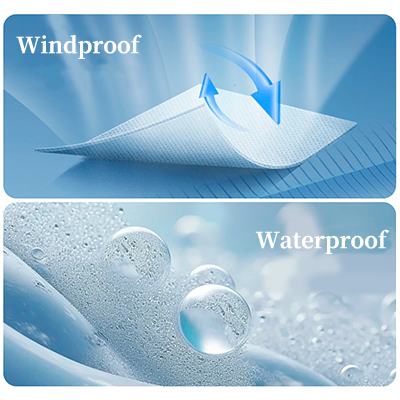
- High-pressure wind tunnels: ensuring stable wind-layer protection
- Extended spray tests: for water repellency and snow resistance
3. Core Material Innovations
ThermoLock System
Hybrid insulation designed for rapid heat-up and long-lasting warmth.Triple Windshield Structure
Multi-layer windproof architecture combining: Outer layer protection Thermal core insulation Moisture-wicking inner layerHydroGuard Finish
High-efficiency coating that maintains softness while providing excellent water resistance. Result: Lightweight, comfortable, and fully protective garments for demanding professional environments.4. B2B Advantages
Simmerui cold-weather wear is designed for OEM/ODM partners:- Flexible bulk customization of insulation levels
- Compatible with existing factory production processes
- Scalable for small or large orders
5. Sustainability & Future Innovations
Looking forward, we are exploring:- Bio-based insulation for eco-conscious production
- Recyclable structures to reduce environmental impact