
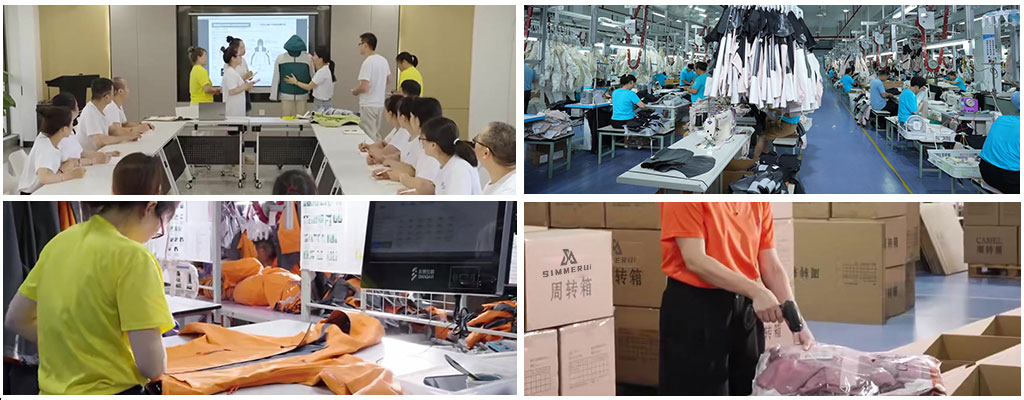
Custom apparel manufacturing follows a structured OEM workflow—from inquiry and tech pack review to fabric sourcing, sampling, PPS approvals, bulk production, QC inspections, and final shipment. This guide explains what information brands should prepare, how factories evaluate feasibility and costs, and where delays typically occur (late fabric approvals, repeated sample revisions, trim issues, poor communication).
You’ll also learn practical checkpoints for QC, packaging, and shipping terms (FOB/DDP) to reduce risk and improve on-time delivery in B2B production.| Stage | Buyer Provides | Factory Delivers | Approval Checkpoint | Common Risk |
|---|---|---|---|---|
| Inquiry | Tech pack / target price / order quantity / target market requirements | Feasibility analysis + rough costing + lead time estimation | Go / No-Go confirmation | Incomplete information / unclear specifications |
| Fabric Development | Fabric references / performance requirements / color standards | Fabric sourcing proposal + swatches + material recommendations | Fabric & trim approval | Fabric availability / incorrect material selection |
| Quotation | Final specs / packaging request / logo application details | Official quotation sheet + MOQ + production timeline | Price & terms confirmation | Cost misunderstanding / hidden requirements |
| Sampling | Fit comments / artwork revisions / branding details | Proto sample / fit sample / revision plan | Sample revision sign-off | Repeated modifications / delayed feedback |
| Lab Dip & Print Strike-Off | Pantone color / artwork files / print size specs | Lab dips + print strike-offs + embroidery mockups | Color & artwork approval | Color mismatch / logo scaling issues |
| PPS (Pre-Production Sample) | Approved comments / final BOM / measurement tolerance | PPS sample + size set sample | PPS approval | Size inconsistency / unfinished details |
| Pre-Production Meeting | QC requirements / packing standards / shipment schedule | Production planning + risk assessment + workflow alignment | PP meeting confirmation | Miscommunication between departments |
| Bulk Production | Approved PPS / QC standards / production schedule | Inline production reports + WIP updates | Inline inspection approval | Rework / production delays |
| Quality Control | AQL standard / testing requirements / compliance standards | Inline QC + final inspection report | Final AQL approval | High defect rate / failed testing |
| Packaging | Carton marks / barcode files / folding method / packing ratio | Packing list + carton photos + packaging execution | Packing approval | Incorrect labeling / packing errors |
| Shipping Preparation | Incoterm / shipping documents requirements / forwarder info | Commercial invoice + packing list + booking documents | Shipment release approval | Documentation errors / booking delays |
| Shipment | Balance payment / shipping instruction | Cargo dispatch + tracking details + B/L copies | Shipping confirmation | Customs delay / missing documents |
| After-Sales | Quality feedback / claim evidence / reorder inquiry | Corrective action plan + replacement/refund support | Claim resolution | Dispute over responsibility |

1. Collect the Right Inputs to Get an Accurate Evaluation
Every custom apparel project starts with information exchange between the buyer and the manufacturer. At this stage, brands usually provide:- Design sketches or reference images
- Tech packs
- Fabric requirements
- Logo artwork
- Size specifications
- Estimated quantities
- Target price range
- Delivery deadlines
- Fabric availability
- MOQ compatibility
- Construction complexity
- Decoration method suitability
- Production capacity scheduling
- Estimated development risks

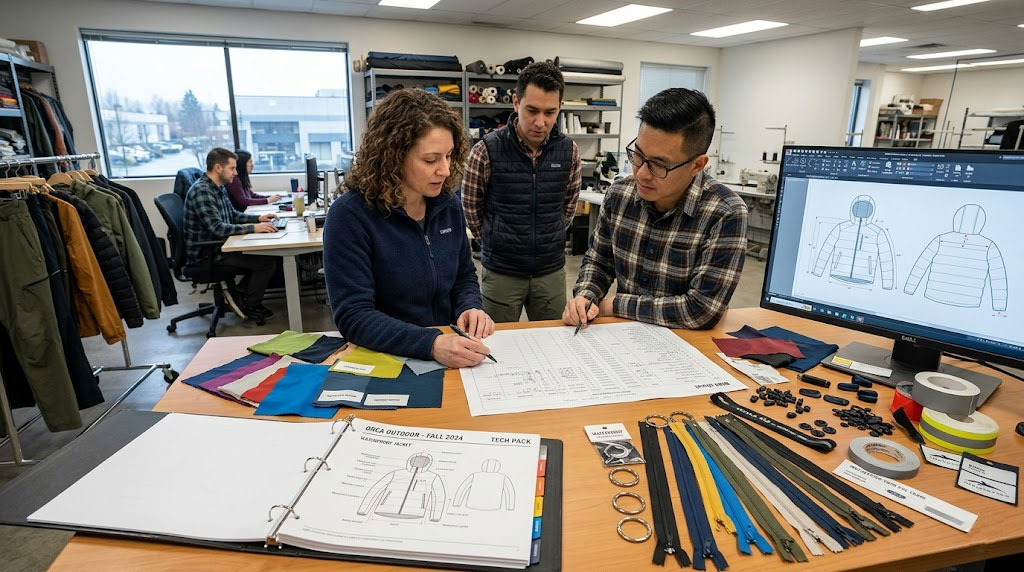
2. Reduce Quote Revisions with a Strong Tech Pack Review
Once project details are confirmed, the factory development team reviews the technical package carefully. Typical evaluation areas include:| Review Area | Key Considerations |
|---|---|
| Fabric Composition | Weight, stretch, durability |
| Garment Construction | Sewing complexity, panel count |
| Decoration Method | Printing, embroidery, heat transfer |
| Trim Development | Zippers, labels, buttons, drawcords |
| Packaging Requirements | Retail-ready or bulk packaging |
| Measurement Specs | Tolerance control feasibility |
At this stage, manufacturers also identify potential production risks early.
For example:
- Missing seam details may affect sampling accuracy
- Incorrect artwork dimensions can delay logo production
- Unrealistic target pricing may require material substitutions
- Fabric cost
- Trim cost
- Labor cost
- Sampling cost
- Packaging cost
- Shipping cost
- Alternative fabric constructions
- MOQ adjustments
- Simpler decoration methods
- Shared colorways between styles
3. Lock Fabrics Early to Prevent Bulk Delays
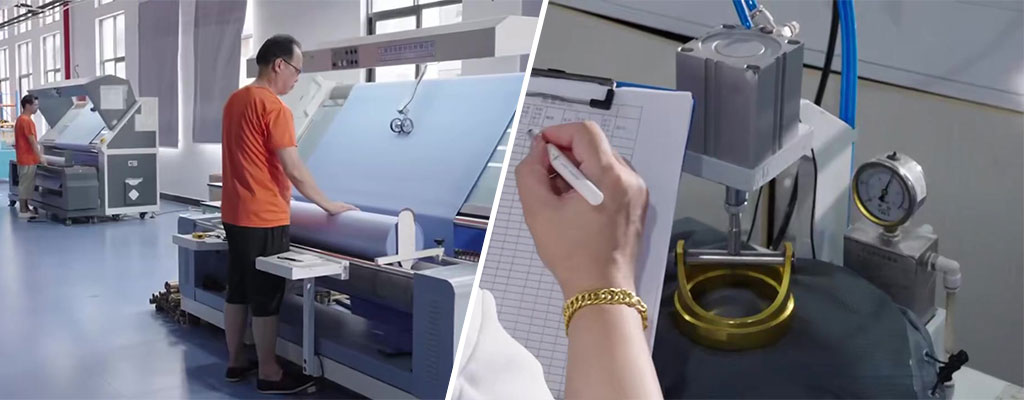
Fabric sourcing is often one of the most time-sensitive stages in apparel manufacturing. Depending on the product category, factories may source:- Cotton jersey
- French terry
- Polar fleece
- Softshell fabric
- Waterproof laminated fabric
- Recycled polyester
- Performance stretch knit fabrics
- Color fastness
- Shrinkage testing
- Pilling resistance
- Waterproof performance
- Stretch recovery
- Fabric bonding stability
- Laminated fabrics may require 2–4 weeks of sourcing time(Varies by fabric availability, complexity, season capacity, and buyer approval speed.)
- Custom dyeing may create color variation risks
- Recycled materials sometimes have limited stock availability
4. Control Sample Rounds to Protect Your Timeline
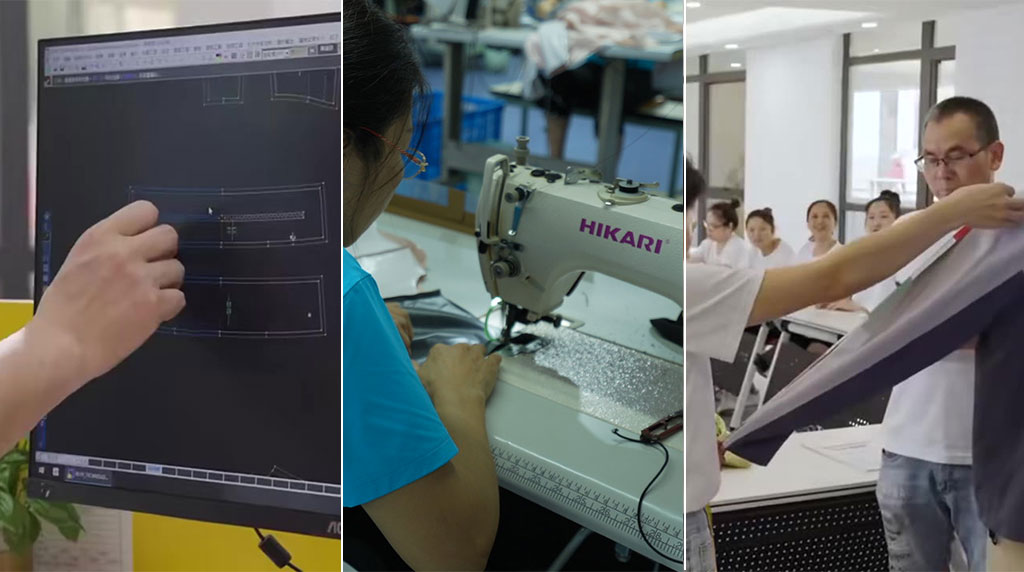
The sampling stage transforms concepts into physical garments. This process typically includes:- Pattern making
- Fabric cutting
- Sewing construction
- Logo application
- Measurement checking
- Fit adjustment
- Fit corrections
- Construction improvements
- Fabric adjustments
- Branding placement updates
- Packaging confirmation
- Wearing tests
- Waterproof tests
- Seam strength checks
- Mobility assessments
5. Use PPS to Prevent Costly Bulk Mistakes
Before bulk production begins, professional apparel factories normally prepare several approval items:- PPS (Pre-Production Sample)
- Size set samples
- Lab dip approvals
- Print strike-offs
- Embroidery approvals
- Packaging mockups
- Color mismatches
- Incorrect measurements
- Logo positioning errors
- Packaging inconsistencies
- Barcode mistakes
- Reviewing measurement tolerances
- Confirming fabric shrinkage allowances
- Verifying trim inventory
- Checking sewing operation difficulty

6. Set Inline QC Checkpoints to Stabilize Output
Once approvals are completed, the project enters mass production. A typical apparel manufacturing workflow includes:| Production Stage | Main Activity |
|---|---|
| Fabric Inspection | Material quality checking |
| Fabric Relaxation | Reducing shrinkage variation |
| Cutting | Automated or manual cutting |
| Sewing | Garment assembly |
| Decoration | Printing, embroidery, heat transfer |
| Finishing | Thread trimming and ironing |
| QC Inspection | Inline and final inspections |
| Packing | Folding, labeling, carton packing |
Before bulk cutting, many factories allow fabrics to relax for 12–24 hours to reduce size instability after washing.( Varies by fabric availability, complexity, season capacity, and buyer approval speed.)
During sewing production, inline QC checkpoints are often arranged at critical operations such as:
- Zipper installation
- Pocket attachment
- Seam taping
- Logo application
- Daily output efficiency
- Defect rates
- Production timelines
- Inventory control
- Operator balance
- Rework frequency

7. Use AQL and Measurement Control to Reduce Returns
Quality control is one of the most important parts of custom apparel manufacturing. Professional OEM factories usually implement multiple inspection stages, including:- Inline inspection
- Random inspection
- Measurement checking
- Needle detection
- Final AQL inspection
- Sewing quality
- Measurement tolerances
- Logo placement accuracy
- Fabric defects
- Packaging compliance
- Carton drop tests
- Barcode scanning checks
- Wash testing
- Waterproof verification
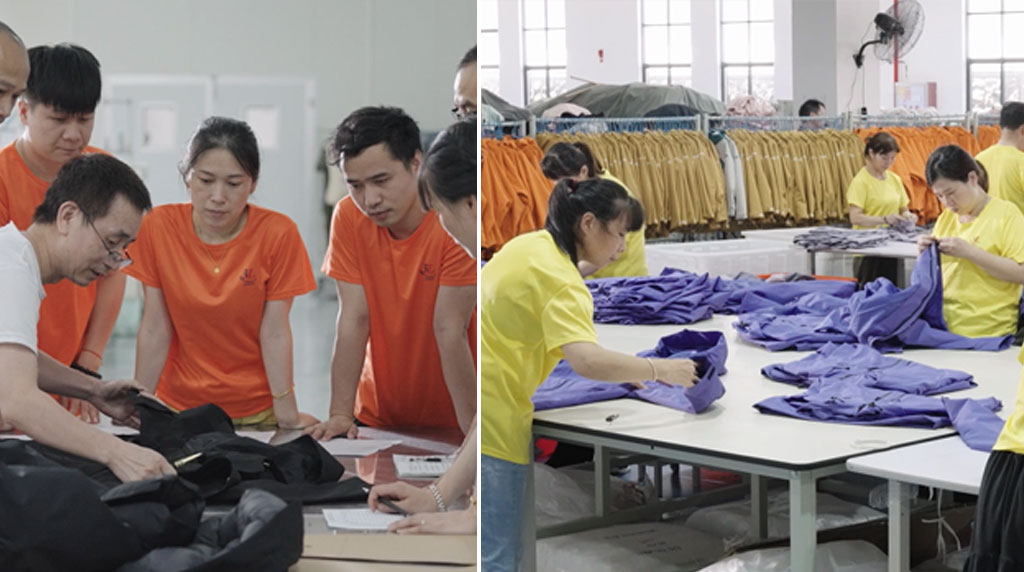
8. Align Packaging and Shipping Terms to Hit Retail Deadlines
After final inspection approval, garments are packed according to buyer requirements. Common B2B apparel packaging options include:- Individual poly bags
- Barcode stickers
- Custom hang tags
- Size stickers
- Export cartons
- Retail-ready packaging
- Air freight
- Sea freight
- Express shipping
- FOB shipping
- DDP shipping
- Packing lists
- Commercial invoices
- Carton specifications
- Shipping marks

Common Causes of Apparel Production Delays
Many apparel production delays are preventable. The most common causes include:| Problem | Typical Result |
|---|---|
| Incomplete tech packs | Sampling confusion |
| Late fabric approvals | Production postponement |
| Frequent design revisions | Development delays |
| Unstable trim sourcing | Shipment risk |
| Poor communication | Rework and mistakes |
Brands that prepare clear documentation and maintain fast approval communication usually experience smoother production cycles.
How Buyers Can Improve Production Efficiency
Brands can improve apparel production efficiency by:- Providing detailed tech packs
- Confirming fabrics early
- Approving samples quickly
- Reducing late-stage design changes
- Using realistic delivery schedules
- Maintaining centralized communication

Why Understanding the Manufacturing Process Matters
Understanding the full apparel manufacturing workflow helps brands:- Reduce development mistakes
- Improve communication efficiency
- Control production costs
- Shorten lead times
- Minimize quality risks
- Build stronger supplier relationships
Frequently Asked Questions
1.How long does custom apparel production usually take?
Typical timelines range from 30–90 days depending on fabric sourcing complexity, sampling revisions, order quantity, and production scheduling.( Varies by fabric availability, complexity, season capacity, and buyer approval speed.)2.What information is needed for an accurate apparel manufacturing quotation?
Factories usually require:- Tech packs
- Fabric details
- Logo artwork
- Size specifications
- Quantity estimates
- Target delivery timeline
3.Why do apparel production delays happen?
Common reasons include delayed fabric confirmation, repeated sample revisions, trim sourcing issues, and unclear technical documentation.4.What is the difference between sample production and bulk production?
Sample production focuses on fit validation, construction testing, and design confirmation, while bulk production emphasizes manufacturing efficiency, consistency, and delivery control.5.How important is quality control in apparel manufacturing?
Quality control helps ensure measurement accuracy, construction consistency, branding correctness, and packaging compliance before shipment.6. What documents are needed for PPS approval?
Typically, buyers need approved lab dips, print strike-offs, embroidery samples, packaging mockups, size specs, and the finalized PPS garment before bulk production can begin.7. How many sample rounds are typical and how to limit revisions?
Most apparel projects require 2–3 sample rounds. Revisions can be minimized by providing a complete tech pack, clear measurements, Pantone references, and consolidated feedback from all stakeholders.8. What’s a realistic timeline breakdown for apparel production?
For most apparel categories, sampling takes 7–21 days, bulk production 25–45 days, and shipping 7–35 days depending on shipping method and destination. Outerwear and performance garments usually require longer development and testing time.Written by the Simmerui Apparel Development Team. We support B2B brands with OEM/ODM development workflows from tech pack review and fabric sourcing to sampling, PPS approvals, bulk production QC, and shipment coordination. Our focus is improving communication efficiency, controlling sample revisions, and stabilizing delivery timelines across outerwear, sportswear, workwear, fleece, and performance apparel programs.