Insights from a B2B Outdoor Menswear Manufacturer
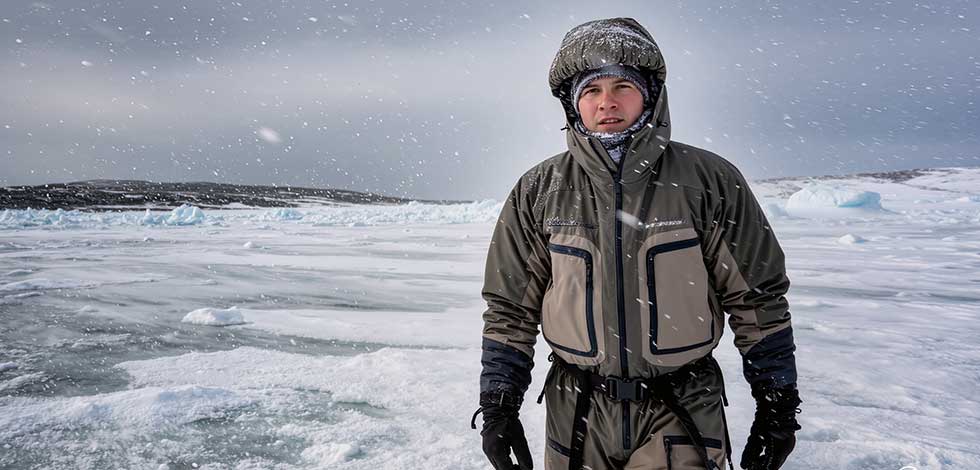
Extreme weather outdoor apparel is an engineering system—not a single jacket. At SIMMERUI, we are a B2B manufacturer specializing in outdoor menswear and technical apparel, we develop performance apparel by mapping real environments, building layer systems, selecting risk-managed materials, and validating construction through lab and field testing. This guide explains the key steps brands should follow to create reliable, scalable extreme-weather product lines
1. Map the Environment First to Prevent Mis-Spec’d Products,Not Aesthetics
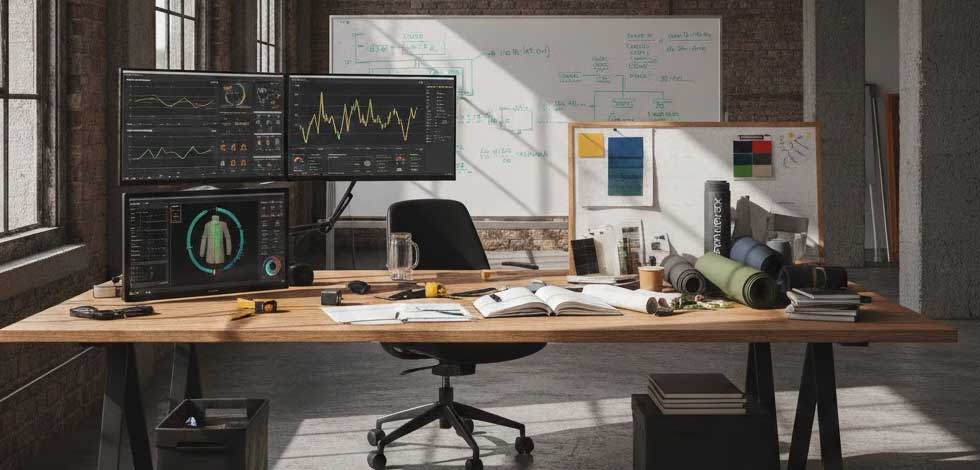
Extreme Weather Apparel Development Begins with Data Design for extreme conditions begins with precise environmental definition. “Cold” or “hot” is not enough. We break conditions down into measurable variables:- Temperature range and fluctuation
- Wind speed and exposure duration
- Precipitation type: rain, wet snow, dry snow, sleet
- Humidity levels
- Altitude and oxygen availability
- Activity intensity and metabolic output
Environment |
Key Risks |
Recommended Design Focus |
|---|---|---|
| Extreme Cold | Heat loss, frostbite, reduced mobility | High-loft insulation, low air permeability shell, ergonomic patterning |
| High Wind | Convective heat loss, fabric flap stress | Windproof membrane (CFM < 5), seam sealing, cuff & hem locking system |
| Wet Snow | Moisture saturation, insulation collapse | Waterproof-breathable membrane (≥20,000mm), DWR, synthetic insulation |
| High Altitude | UV exposure, rapid temperature shifts | UPF 50+, lightweight layering, mechanical stretch |
| Desert Heat | Solar radiation, dehydration, overheating | Breathable woven fabric, ventilation zones, reflective colors |
2. Build a Layering System That Scales Across SKUS, Not Isolated Products
Modular Outdoor Apparel Systems Improve Performance and Scalability Extreme weather apparel works best as a modular system. We recommend developing collections around three coordinated layers:- Base layer: Moisture management, skin comfort, odor control
- Mid layer: Thermal regulation and breathability
- Outer shell: Weather protection and durability
- Align pattern dimensions for clean stacking
- Balance insulation weight across the system
- Reduce bulk at critical articulation points
- Ensure consistent sizing and fit logic

3. Choose Materials to Reduce Failure Risk, Not to Look Advanced Is a Risk Management Exercise
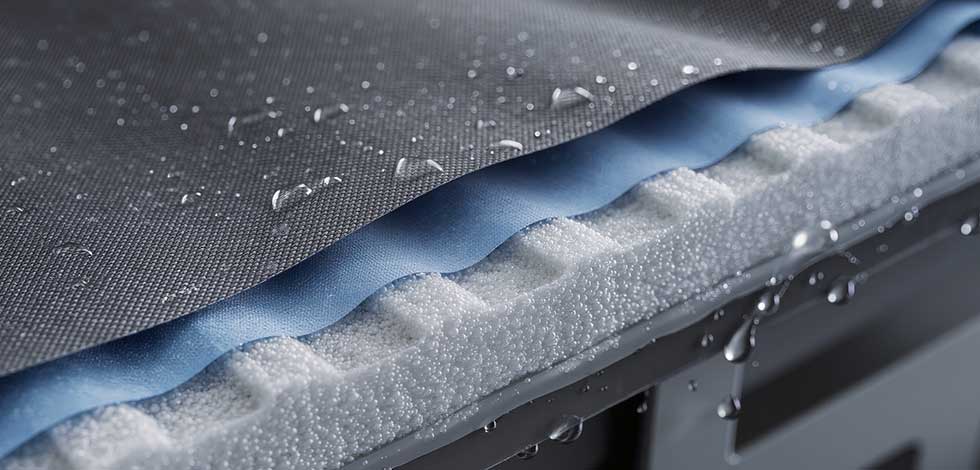
Fabric and Material Sourcing for Extreme Weather Apparel In extreme weather, fabric failure is not a cosmetic issue. It is a functional one. Our material selection process prioritizes reliability over novelty. Key considerations include:- Proven membrane performance under prolonged exposure
- Insulation stability after repeated compression
- Fabric brittleness in sub-zero temperatures
- UV degradation at high altitude
- Coating longevity after abrasion and washing
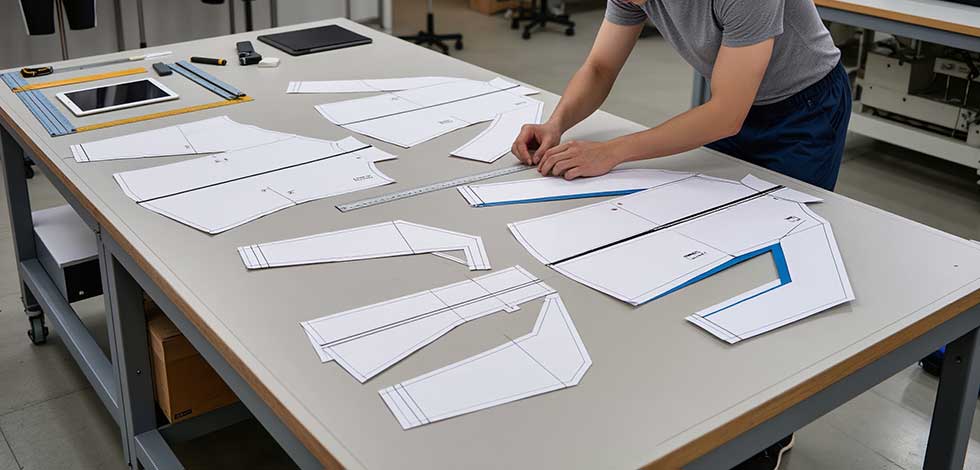
4. Pattern Engineering and Ergonomics Matter More Than Ever
Technical Pattern Making for High-Performance Outdoor Clothing
In extreme conditions, users wear more layers, carry more gear, and move with less margin for error. Pattern engineering must account for this reality. Our development process focuses on:- Articulated joints for movement under load
- Reduced seam stress in cold-induced stiffness
- Strategic reinforcement in high-abrasion zones
- Glove-friendly adjustments and closures
- Compatibility with helmets, harnesses, and packs
5. Construction Techniques Are as Important as Fabrics
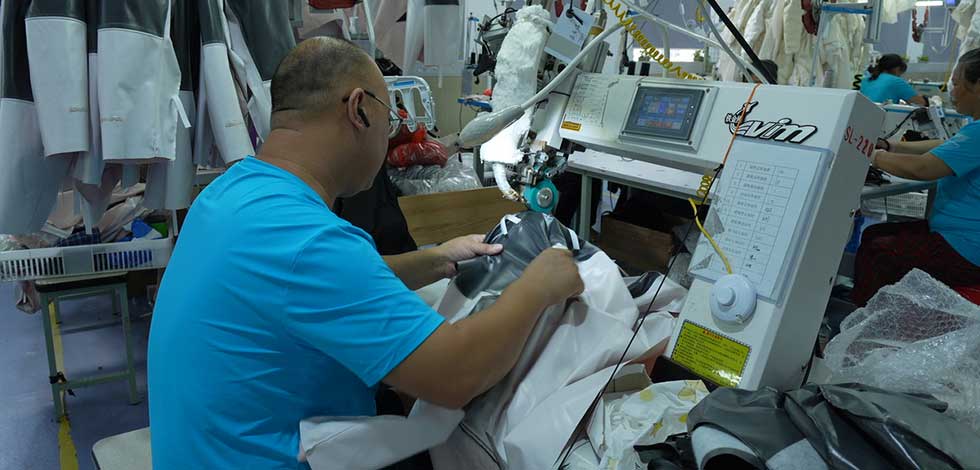
Manufacturing Processes for Extreme Weather Garments
Even the best materials fail if construction is compromised. For extreme weather garments, we emphasize:- Seam sealing strategies matched to fabric behavior
- Stitch types that retain strength in cold temperatures
- Bonding methods tested for freeze-thaw cycles
- Minimal needle penetration in waterproof zones
6. Test Like a User: Cold, Rain, Load, Wash Cycles
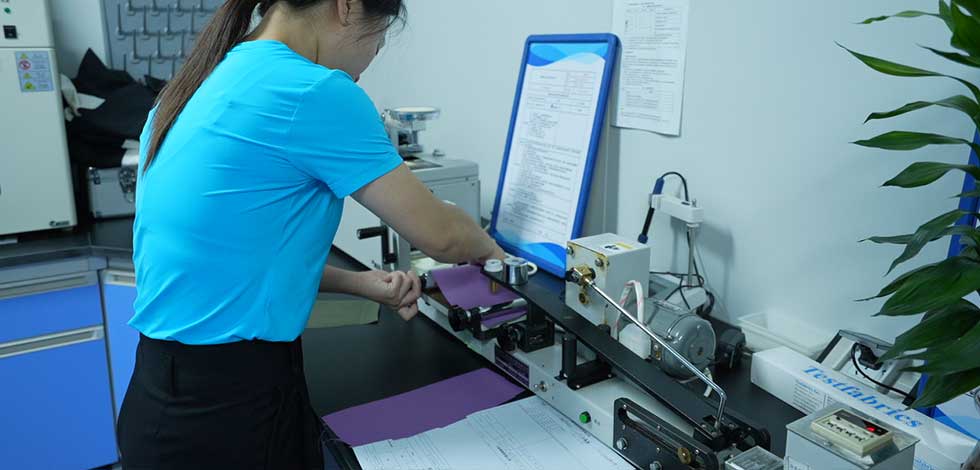
Quality Control and Performance Testing in Outdoor Apparel Manufacturing Lab data is necessary, but insufficient. We support brands by combining standardized testing with field simulation:- Cold chamber testing for insulation and hardware
- Rain tower and hydrostatic pressure testing
- Wear testing under load and repeated movement
- Wash and care stress testing
7. Design for Manufacturability and Scalability
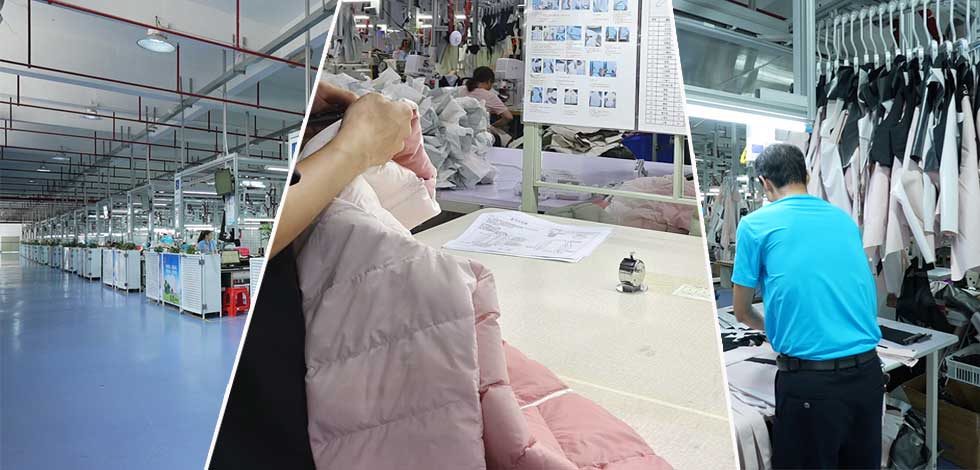
Scalable Production for Technical Outdoor Apparel Brands A common mistake in extreme weather apparel is designing products that perform well in samples but struggle in bulk production. As a manufacturing partner, we evaluate early:- Process complexity and operator dependency
- Yield risk for specialized fabrics
- Tolerance sensitivity in multi-layer assemblies
- Quality control checkpoints required at scale
8. Transparency Builds Trust in B2B Relationships
OEM / ODM Collaboration for Outdoor Apparel Brands Extreme weather apparel carries higher expectations and higher risk. Clear communication between brand and manufacturer is essential. We encourage partners to align early on:- Performance benchmarks vs marketing claims
- Acceptable tolerances and trade-offs
- Cost drivers and where not to compromise
- After-sales feedback loops for continuous improvement
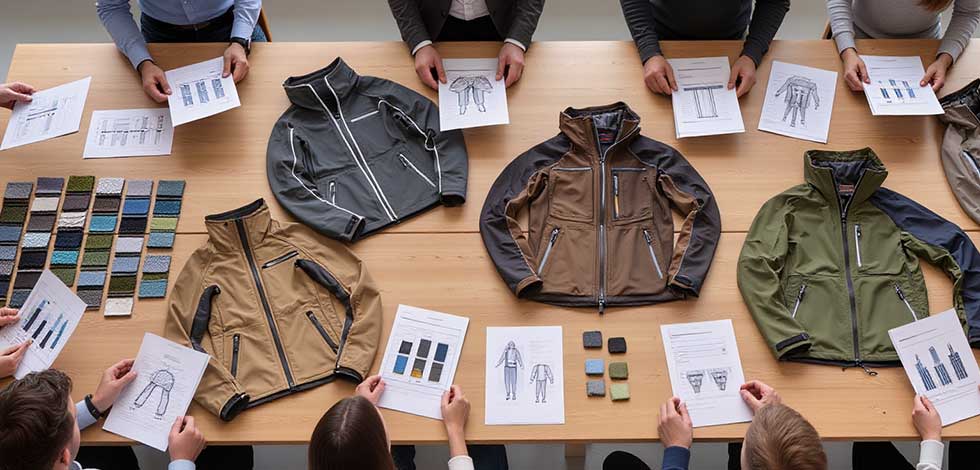
Why Work with a Manufacturer Like Us
—Written by Simmerui product development team Our product development team works closely with pattern engineers, material suppliers, and QC specialists to validate performance targets before bulk production. We support OEM and ODM projects with material risk planning, technical pattern optimization, and repeatable production controls for long-term reorders.We works with brands seeking reliable OEM and ODM partners for performance-driven and lifestyle-integrated menswear. Our core product categories include:- Outdoor jackets and technical outerwear, designed for variable and extreme weather conditions
- Ski jackets, engineered for insulation efficiency, weather protection, and mobility
- Varsity jackets and bomber jackets, blending functional construction with elevated styling
- Quick-dry polo shirts and technical T-shirts, optimized for moisture management and durability
- Hoodies and mid-layers, developed for both outdoor performance and everyday versatility
- OEM and ODM capability: from concept development and material sourcing to bulk production
- Expertise in jacket manufacturing, including insulated jackets, shells, and hybrid constructions
- Mid-to-high-end positioning, with controlled quality standards and consistent execution
- Pattern engineering and construction know-how tailored to both functional outdoor use and lifestyle silhouettes
- Supply chain flexibility, enabling material substitutions without compromising performance targets
- Production systems built for scalability, ensuring repeatable quality across seasons and reorders
Final Thoughts
Developing outdoor apparel for extreme weather conditions is not about chasing the most advanced fabric or the boldest design. It is a discipline built on engineering judgment, realistic testing, and execution that respects manufacturing realities. For mid-to-high-end brands, the manufacturing partner is not simply a downstream supplier, but a critical part of the product strategy itself. Decisions made during development directly shape performance, scalability, and long-term brand credibility. As a manufacturer, we approaches this role with a focus on technical clarity, production consistency, and long-term collaboration. When brand vision and manufacturing expertise are aligned early, extreme environments become less unpredictable, and performance becomes repeatable across seasons and markets.Written from the perspective of SIMMERUI, a B2B outdoor menswear manufacturer supporting global brands in technical apparel development.