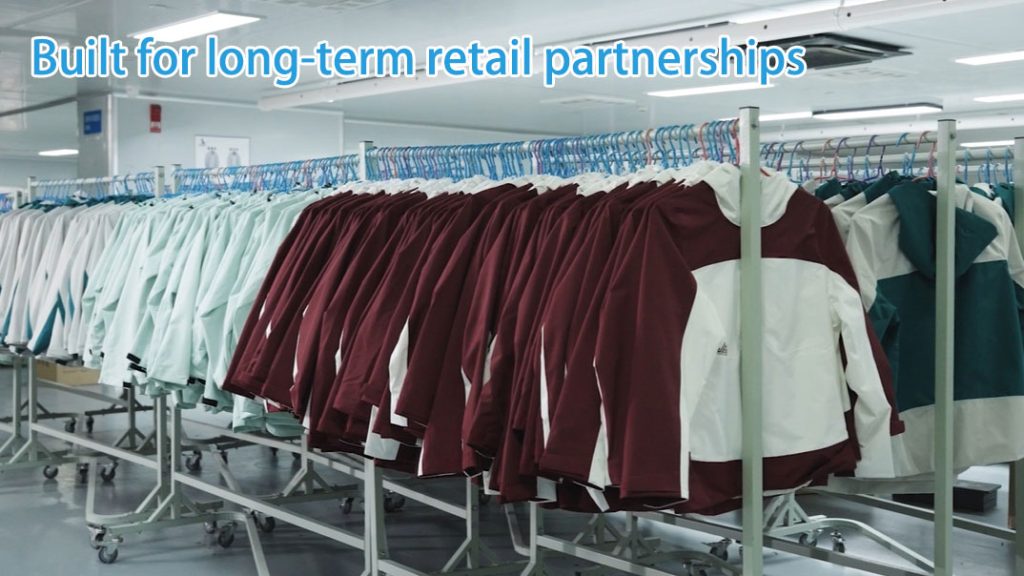
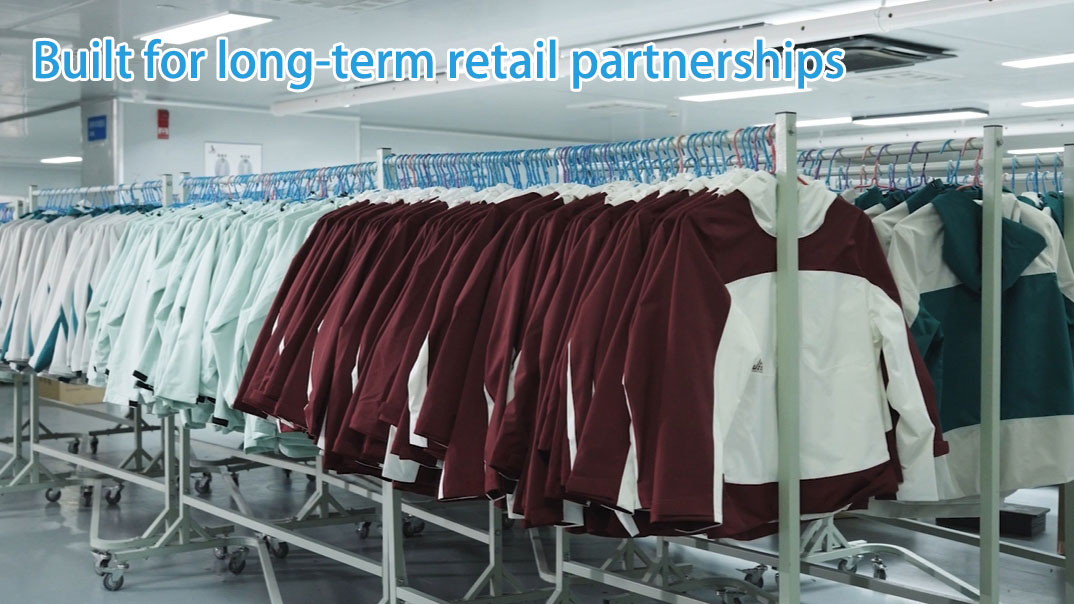

In today’s competitive landscape, B2B outdoor apparel brands face a defining challenge: product innovation alone is no longer enough. Technical fabrics, sustainable sourcing, and performance-driven design have become industry standards.
What differentiates leading brands from the rest is not just what they produce — but how they collaborate with retail partners.
A strong retail partnership strategy has become one of the most powerful growth drivers in the wholesale outdoor apparel business. Brands that evolve from suppliers into strategic allies consistently outperform competitors in sell-through rates, margin stability, and long-term market positioning.
This article explores how outdoor apparel brands can strengthen retail partnerships while building a scalable, sustainable wholesale growth model.
- Margin compression
- Rising operational costs
- Omnichannel competition
- Increasing consumer demand for sustainability
For B2B outdoor apparel brands, the question is no longer:
“How much inventory can we sell in?”
The real question is:
“How can we grow profitably together?”
1. Build Strategic Retail Alliances for Long-Term Success
Short-term sell-in targets often damage long-term trust. Instead, brands must adopt a strategic retail alliance model. Actionable Strategies:- Share seasonal product roadmaps 6–12 months in advance
- Conduct joint annual business planning sessions
- Set shared KPIs (sell-through rate, inventory turnover, margin protection)
- Offer limited retail exclusives for key accounts

2. Boost Retail Conversion Through Technical Education
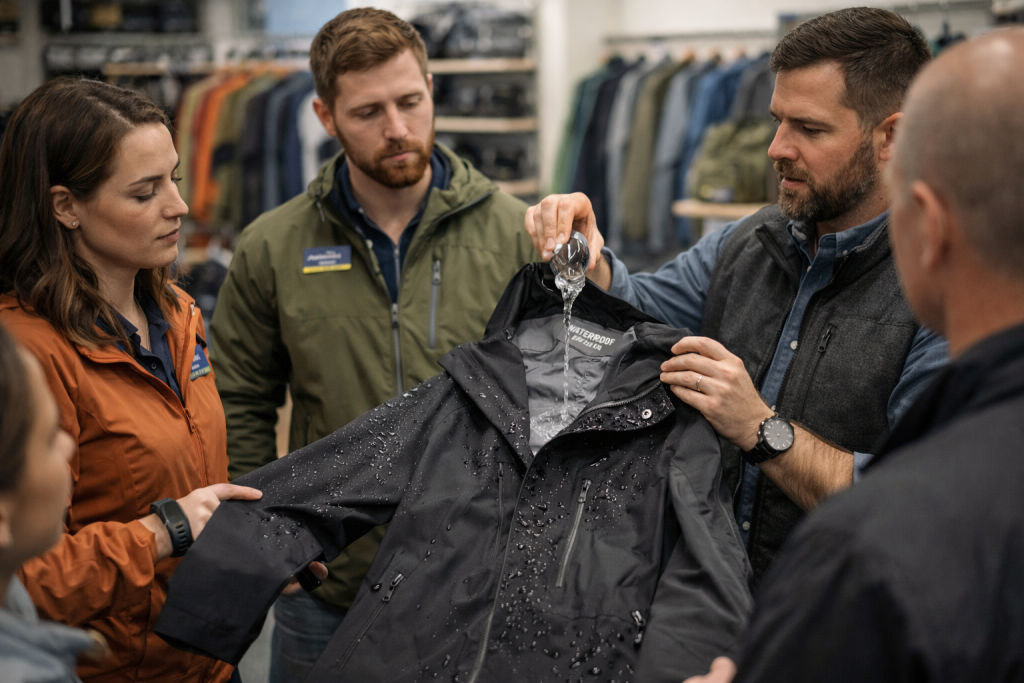
Outdoor apparel is highly technical. If retail associates cannot confidently explain waterproof membranes, insulation ratings, or sustainable materials, the product’s value is diminished. Implementation Blueprint:- Launch structured online certification programs
- Provide field-based wear-testing opportunities
- Deliver concise technical comparison guides
- Offer quarterly product update webinars
3. Use Data to Become Indispensable
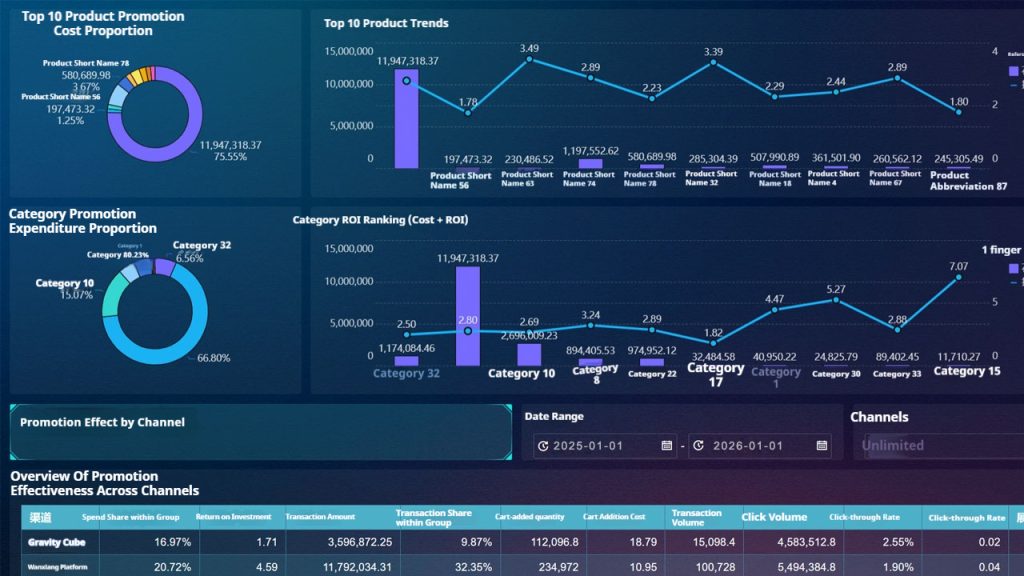
In modern wholesale outdoor apparel operations, data-driven support differentiates strategic brands from transactional vendors. Provide Retail Analytics Support:- SKU-level sell-through dashboards
- Regional demand forecasting
- Weekly replenishment recommendations
- Markdown risk analysis
4. Strengthen Supply Chain Transparency and Reliability
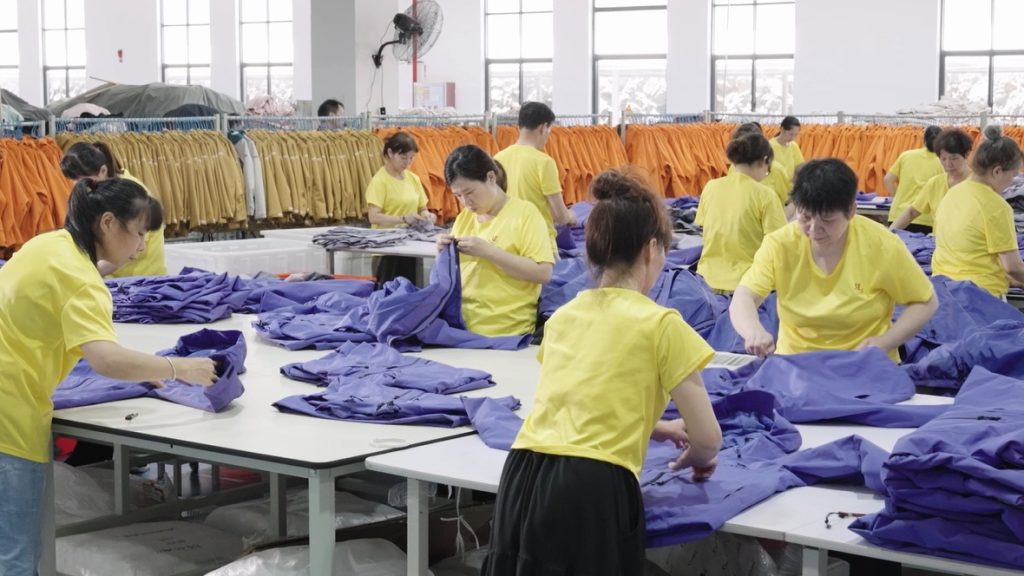
In seasonal industries like outdoor apparel, timing is critical. A delayed shipment can mean a missed season and lost revenue. Operational Best Practices:- Maintain real-time production visibility
- Communicate proactively about delays
- Offer flexible reorder minimums
- Ensure traceable and ethical sourcing
5. Architect Omnichannel Consistency
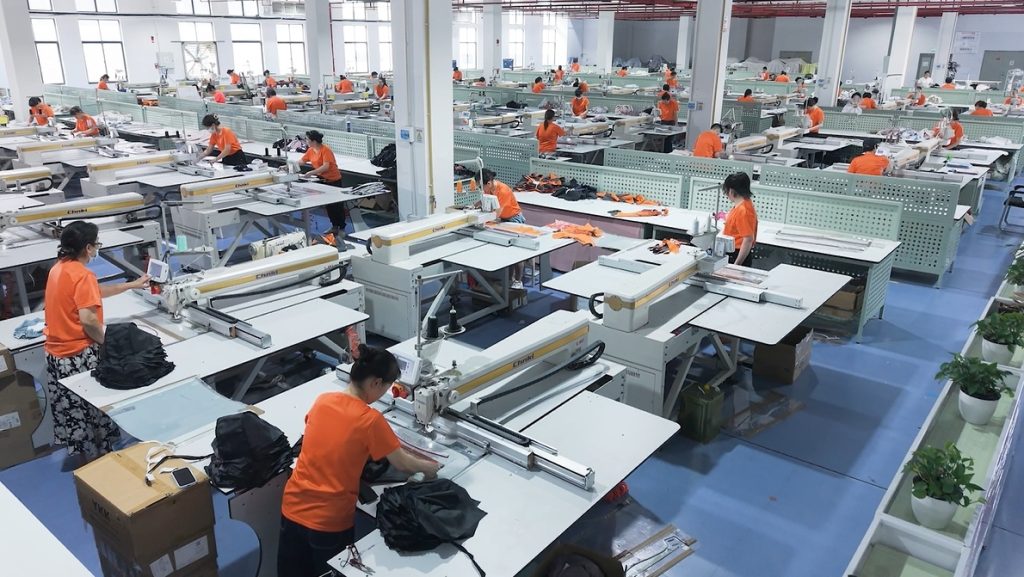
Outdoor retailers are increasingly investing in e-commerce and digital marketplaces. Brands must support omnichannel alignment. Key Areas of Support:- SEO-optimized product descriptions
- Standardized high-resolution imagery
- Clear Minimum Advertised Price (MAP) policies
- Digital inventory integration where possible
6. Leverage Sustainability to Strengthen Retail Partnerships
Sustainability is no longer a marketing claim — it is a purchasing driver in the outdoor industry. Forward-thinking B2B outdoor apparel brands strengthen retail partnerships by:- Providing third-party sustainability certifications
- Sharing ESG transparency reports
- Offering recyclable packaging solutions
- Supporting community environmental initiatives
7. Build a Continuous Feedback Ecosystem
Elite retail partnerships are not managed annually — they are nurtured continuously. Best Practices:- Quarterly business reviews
- Post-season performance analysis
- Dedicated account management
- Structured retailer feedback systems
Frequently Asked Questions (FAQ)
What makes a strong retail partnership in the outdoor apparel industry?
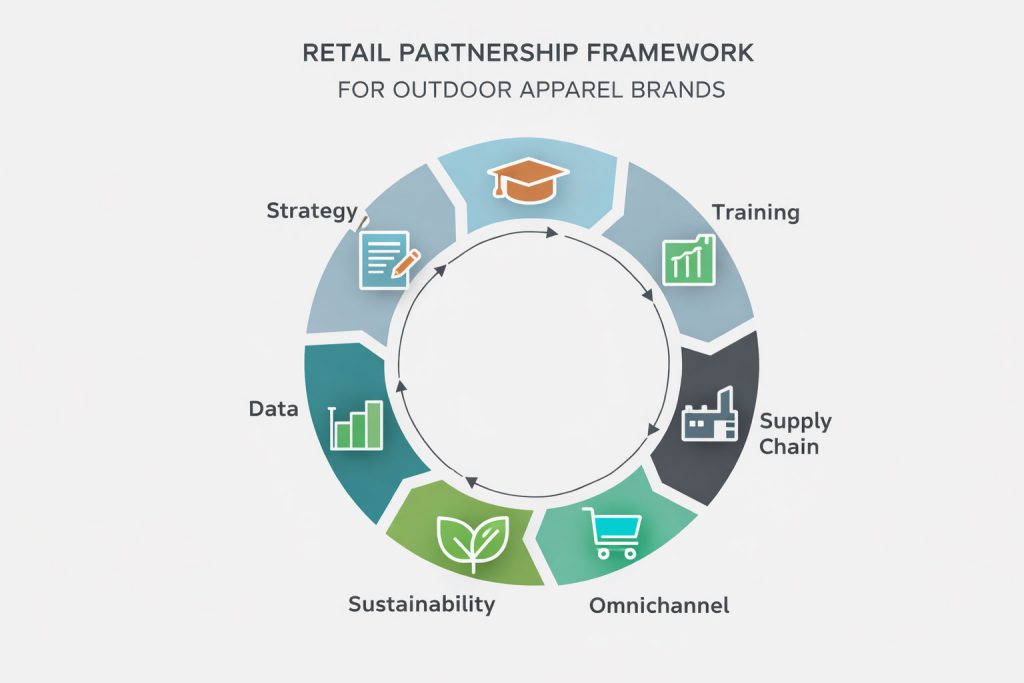
Strategic alignment, shared data, operational reliability, and sustainability value alignment are the core pillars of a strong partnership.How can outdoor apparel brands reduce retail return rates?
Through technical education, accurate product storytelling, and improved point-of-sale training.Why is supply chain transparency important in wholesale outdoor apparel?
Because seasonal timing directly impacts retail profitability. Transparency enables better planning and reduces risk.How can sustainability initiatives strengthen retail relationships?
Sustainability initiatives strengthen retail relationships by building trust, attracting eco-conscious customers, and fostering loyalty, leading to long-term partnerships and a competitive advantage.Conclusion
For B2B outdoor apparel brands, strengthening retail partnerships is no longer optional — it is a strategic necessity. The brands that will lead the next decade of outdoor wholesale growth are not those with the largest product lines, but those with the deepest retail alliances. By combining data-driven decision-making, operational excellence, omnichannel alignment, and shared sustainability values, outdoor apparel brands can transform retail relationships into long-term strategic growth engines.