
Balancing quality and cost in outdoor apparel is crucial for B2B brands. This guide explores key strategies such as prioritizing performance in critical areas, sourcing cost-effective materials, and leveraging technology to streamline production while meeting sustainability demands.
In the ever-evolving world of outdoor apparel manufacturing, finding the sweet spot between quality and cost is more critical than ever. Manufacturers face increasing pressure to produce high-performance gear that withstands extreme outdoor conditions while keeping production costs in check. With 65-68% of consumers willing to pay more for sustainable products, outdoor apparel brands face the tough challenge of balancing top-tier performance and sustainability with cost management. How can your brand thrive in this competitive landscape while staying profitable?
In this blog, Simmerui will take you explore strategies that not only balance quality and cost but also align with the sustainability demands of today’s eco-conscious consumers. Let’s dive into the actionable insights and data-driven strategies that will help your brand thrive in the B2B market.

1. Focus on High-Performance Areas to Maximize Durability and Customer Satisfaction
When it comes to outdoor apparel, quality is paramount. However, not all components of the garment require the same level of investment. It’s essential to focus on areas that directly impact performance, durability, and customer satisfaction. These are the components that can’t afford to be compromised.Key Areas to Focus On:
- Fabric Selection: Premium materials like Gore-Tex, Polartec, and Merino wool are critical for performance, providing waterproofing, breathability, and thermal properties needed in extreme weather conditions. While these fabrics are more expensive, they’re a necessary investment for performance-driven apparel.
- Stitching and Seams: Strong seams are essential for durability, especially in harsh outdoor environments. Double or triple-stitched seams prevent garments from wearing out too quickly, which ultimately extends product lifespan and improves overall customer satisfaction.
- Zippers and Hardware: High-quality zippers, Velcro, and snaps are often overlooked but can make a significant difference in the overall longevity and functionality of outdoor apparel.
For instance, Patagonia is known for using high-quality materials like recycled polyester and Gore-Tex, ensuring both sustainability and durability. Their garments are built to withstand extreme conditions, making them a go-to brand for professional adventurers.
Actionable Tip: Prioritize the fabric and seam quality for garments designed for extreme conditions while using more cost-effective materials for less demanding areas (e.g., lining or inner layers).
2. Cut Costs Without Sacrificing Quality in Non-Critical Components
Not all parts of an outdoor apparel garment require the best materials, especially when those components don’t directly affect performance. By focusing on cost-effective options in non-critical areas, you can reduce production costs without sacrificing overall quality.Cost-Saving Tips:
- Lining and Inner Layers: While the outer shell needs to be weather-resistant, the inner lining can be made from more affordable materials like polyester or recycled fabrics. These materials are cost-effective yet comfortable for the user.
- Sourcing Materials Locally:Sourcing materials from local suppliers can help reduce shipping costs and lead times. By optimizing your supply chain, you can reduce overhead and improve your brand’s agility.
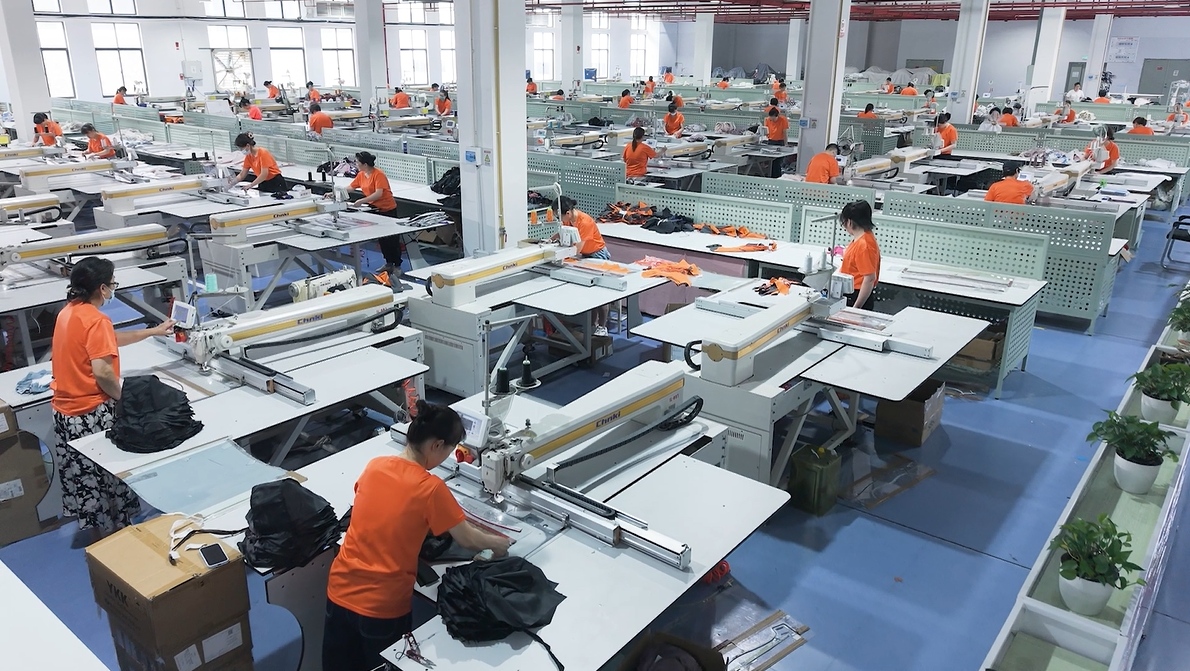
- Streamline Manufacturing Processes: Automation, lean manufacturing, and continuous process improvements can help reduce labor costs, eliminate waste, and streamline production, leading to better cost management.
3. Use Technology to Optimize Production and Reduce Costs
Integrating modern technology into your manufacturing process can significantly enhance both quality control and cost efficiency. From CAD software to 3D prototyping, these tools help reduce errors, improve design accuracy, and minimize the number of physical prototypes needed.Technological Advancements to Consider:
- Computer-Aided Design (CAD): CAD software enables precise pattern creation and allows for material testing and prototyping before physical production. This reduces errors and material waste during manufacturing.
- 3D Prototyping: Using 3D printing or prototyping technologies allows for rapid testing of designs. By assessing fit and functionality before committing to a full production run, you save both time and money.
- Supply Chain Management Systems: Advanced supply chain software can help you optimize sourcing, forecast demand, and manage inventory more effectively, improving overall production efficiency.
4.Create Multiple Product Lines for Different Market Segments
Outdoor apparel customers have different needs and budgets. By offering a variety of product lines, you can cater to both premium customers who demand the best performance and budget-conscious customers who still expect quality gear at a lower price.Product Line Strategies:
- Premium Line: Target professional adventurers or outdoor enthusiasts who require top-tier materials and craftsmanship. This line should feature the best fabrics (e.g., Gore-Tex for waterproofing) and advanced features that justify the higher price point.
- Value Line: For budget-conscious consumers, offer more affordable options using cost-effective materials like recycled polyester, but still ensuring they meet essential standards for performance such as basic insulation and waterproofing.
5. Consider Sustainability as a Cost-Saving Factor
Sustainability is no longer just a buzzword—it’s becoming a key part of cost efficiency and brand appeal. Implementing eco-friendly practices can save on material costs, attract environmentally-conscious consumers, and improve brand reputation in the marketplace.Sustainable Practices to Implement:
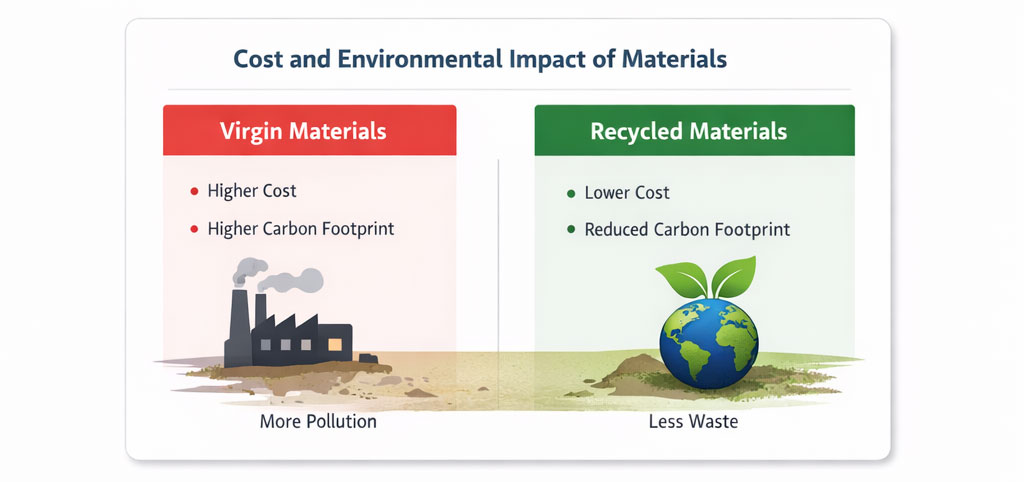
- Recycled Materials: Using recycled fabrics like polyester or nylon helps reduce material costs while promoting environmental responsibility. These materials are typically cheaper than their virgin counterparts but offer similar quality.
- Eco-Friendly Dyeing Techniques: Traditional dyeing processes are expensive and wasteful. Using waterless dyeing or plant-based dyes reduces costs and environmental impact.
- Waste Reduction: Implementing waste reduction techniques like efficient fabric cutting and material recycling can minimize waste and further lower costs.
6. Simmerui’s Approach: A Case Study in Balancing Quality and Cost
At Simmerui, we believe that balancing quality and cost isn’t a compromise—it’s a strategic choice. By using eco-friendly materials and advanced manufacturing techniques, we’ve managed to keep our costs low while delivering premium-quality outdoor apparel. For instance, by sourcing recycled polyester and implementing energy-efficient production practices, we’ve reduced waste and provided high-performance outdoor apparel at a price that works for a variety of customers—from professional adventurers to casual outdoor enthusiasts. Actionable Tip: Emulate Simmerui’s approach by prioritizing innovation and sustainability while ensuring your production methods are both efficient and cost-effective.7. Understand the Value Proposition for Your Customers
Balancing quality and cost requires a deep understanding of your customers’ specific needs and expectations. Whether your target audience is high-end adventurers or casual hikers, aligning your products with their priorities is key.Customer Considerations:
- Professional Adventurers: For these customers, performance is the top priority. They’re willing to invest in premium materials and features that ensure safety and comfort in extreme conditions.
- Casual Hikers: For more price-sensitive customers, functionality and comfort are the focus. These customers will likely prioritize affordability over high-end features but still expect good performance.
Conclusion: Achieving the Perfect Balance
Successfully balancing quality and cost in outdoor apparel manufacturing requires a strategic approach and a deep understanding of your market. By focusing on high-performance areas, optimizing non-essential components, leveraging technology, and offering tiered product lines, you can meet the demands of both high-end and budget-conscious consumers. Simmerui’s example of balancing sustainability, quality, and cost offers a blueprint for success. Want to learn more about how we can help balance quality and cost for your brand? Request a demo or contact us to explore how we can tailor solutions to meet your needs. By applying these strategies, your brand can thrive in the increasingly competitive outdoor apparel market while delivering both high-quality and cost-effective products.Frequently Asked Questions (FAQ)
1.How can outdoor apparel brands balance performance and cost effectively?
Brands can balance performance and cost by selecting durable yet affordable materials, optimizing production processes, and focusing on essential features. Strategic sourcing and collaboration with reliable suppliers help keep costs down while maintaining quality.2.What are the most cost-effective materials for outdoor apparel?
Materials like polyester, nylon, and recycled fabrics are generally cost-effective and provide good performance for outdoor wear. Blended fabrics, such as polyester with cotton or wool, can also be affordable and functional for various conditions.3.How can sustainability impact cost savings in outdoor apparel manufacturing?
Sustainable practices, like using recycled materials and reducing waste, often lead to long-term cost savings by improving operational efficiency. Moreover, these practices can enhance brand reputation, attracting eco-conscious consumers who are willing to pay a premium.4.What technology can help improve efficiency in outdoor apparel production?
Automation in production processes, advanced fabric cutting, and 3D modeling technology help speed up manufacturing and reduce waste. AI-based inventory and demand forecasting systems can also enhance production planning, reducing unnecessary costs and boosting efficiency.Written by Simmerui’s Product Development Team