
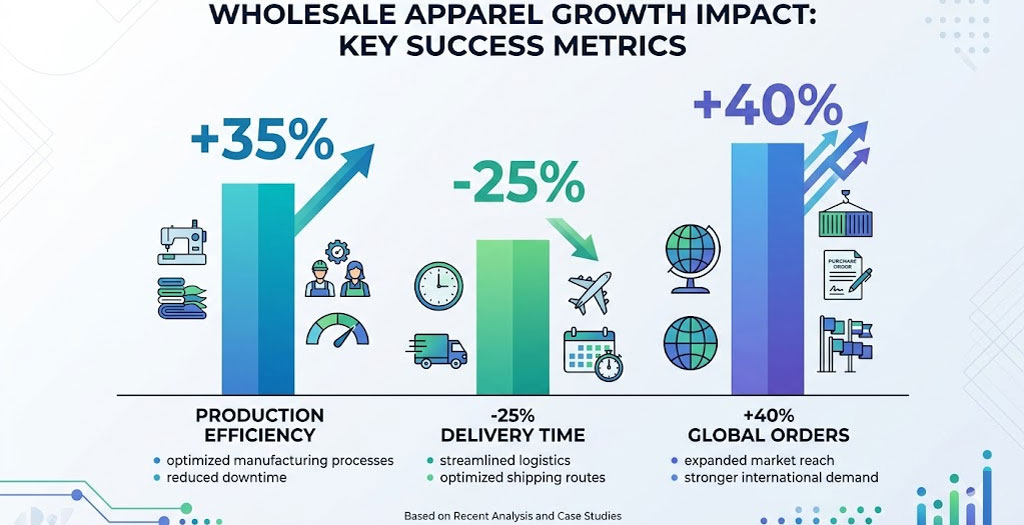
This case study demonstrates how a B2B wholesale apparel brand overcame supply chain risks, optimized logistics, and leveraged digital and trade-show marketing to scale globally.By diversifying suppliers, pre-stocking fabrics, partnering with 3PL providers, and implementing SEO-driven B2B marketing.
The brand increased production efficiency by 35%, reduced shipping time by 25%, and expanded into 15+ international markets—providing actionable insights for apparel manufacturers and private label brands.Identify Key Bottlenecks to Scale Global Operations a Wholesale Apparel Brand
Expanding from local to global markets requires more than production capacity. This brand faced multiple obstacles:- Single sourcing → High supply chain risk
- Manual logistics → Delays and high shipping costs
- Weak online presence → Limited international visibility
- Inconsistent product quality → Difficulties maintaining standards
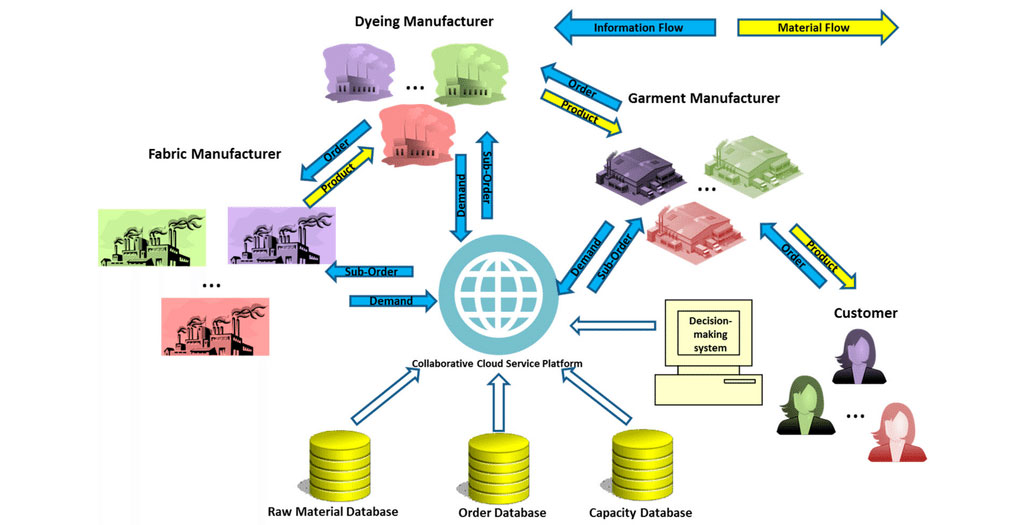
Scalable Solutions: Sourcing, Logistics, and Marketing
Accelerate Production by Diversifying Suppliers for Faster Production
Result: Reduced production lead times by 35%
Implemented strategies:
- Multi-region supplier network
- Fabric pre-stocking strategy
- Long-term contracts with key factories
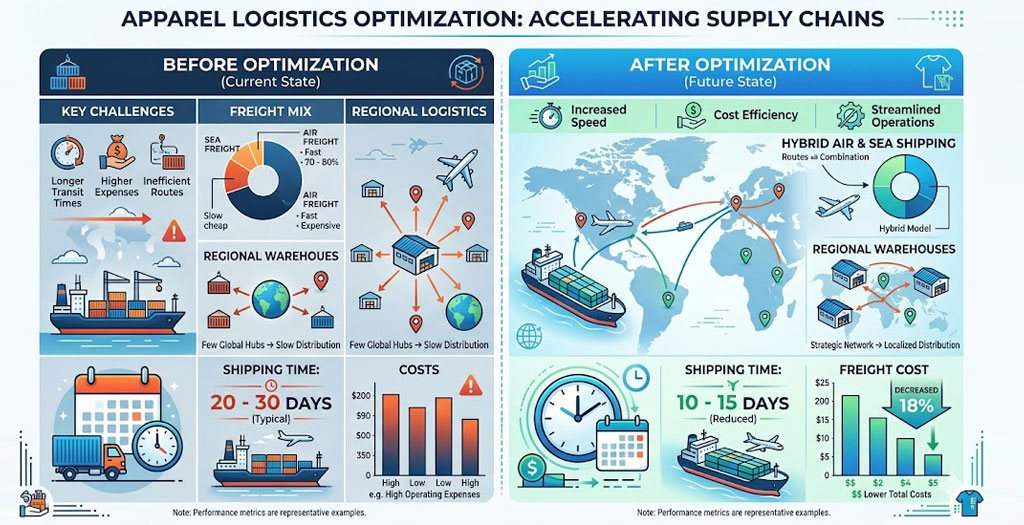
Reduce Delivery Time and Freight Costs for Faster Delivery
Result: Shipping time cut by 25%, freight costs reduced by 18% Key improvements:- Partnering with global 3PL providers
- Introducing regional warehouses
- Hybrid shipping (air + sea)
Expand Global Reach Through Digital and Trade Channels for Global Client Acquisition
Result: Expanded into 15+ international markets Strategies applied:- SEO-driven content marketing
- B2B platforms (Alibaba, trade shows)
- Targeted email campaigns for retailers
Key Takeaways for B2B Apparel Brands
Practical actions for immediate implementation:- Diversify sourcing early → Avoid production bottlenecks
- Invest in logistics partners → Faster delivery improves competitiveness
- Build an online presence → Buyers research before sourcing
- Standardize production processes → Maintain quality at scale
Growth Impact Summary:
| Area | Challenge | Solution | Result / KPI |
| Production | Single sourcing | Multi-region suppliers + pre-stock | +35% efficiency |
| Logistics | Manual shipping | 3PL + regional warehouses | -25% delivery time, -18% freight |
| Marketing | Weak online presence | SEO + B2B platforms | Expanded to 15+ markets |
| Quality | Inconsistent production | Standardized SOPs | Maintained quality, reduced returns |
FAQ – Scaling Wholesale Apparel Globally
1.How can a wholesale apparel brand scale globally?
Combine diversified sourcing, efficient logistics, and digital B2B marketing strategies.2.What is the biggest challenge in global apparel scaling?
Managing the supply chain and maintaining consistent quality at larger production volumes.3.How important is logistics in B2B apparel?
Critical—faster delivery directly impacts buyer satisfaction and repeat orders.4.Do small apparel brands need global sourcing?
Yes, even small brands benefit from reducing dependency on a single supplier.5.How to balance lead time and small-batch flexibility?
Use modular production, pre-plan materials, and implement agile scheduling to reduce delays while keeping batch sizes small.6.Which KPIs track scaling efficiency in apparel manufacturing?
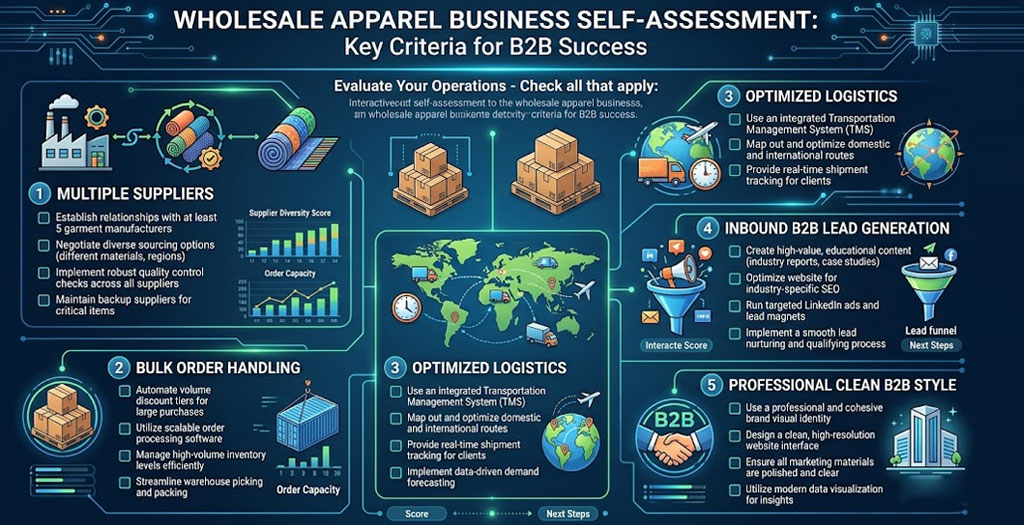
Track production cycle time, capacity utilization, defect rate, on-time delivery, and labor productivity.Assess Your Brand Readiness for Global Scaling: Is Your Apparel Business Ready to Scale?
Checklist:- Multiple suppliers in place
- Ability to handle bulk orders consistently
- Optimized logistics for international shipping
- Generating inbound B2B leads online
Written by the Simmerui Production Team. We help B2B apparel brands scale globally by standardizing sourcing, optimizing logistics, and implementing digital marketing strategies while maintaining consistent product quality.