Sustainable fabrics are becoming a purchasing requirement in B2B apparel, driven by buyer expectations, retailer policies, and ESG goals. This guide explains how brands can integrate eco-friendly textiles—such as organic cotton, recycled polyester, Tencel/Lyocell, and hemp—without sacrificing performance or cost control.
You’ll learn practical steps for supplier qualification, product-line prioritization, and client communication, plus how to use certifications and clear labeling to reduce risk and convert sustainability into measurable sales growth.Win B2B Buyers with Sustainable Fabrics and Clear Proof
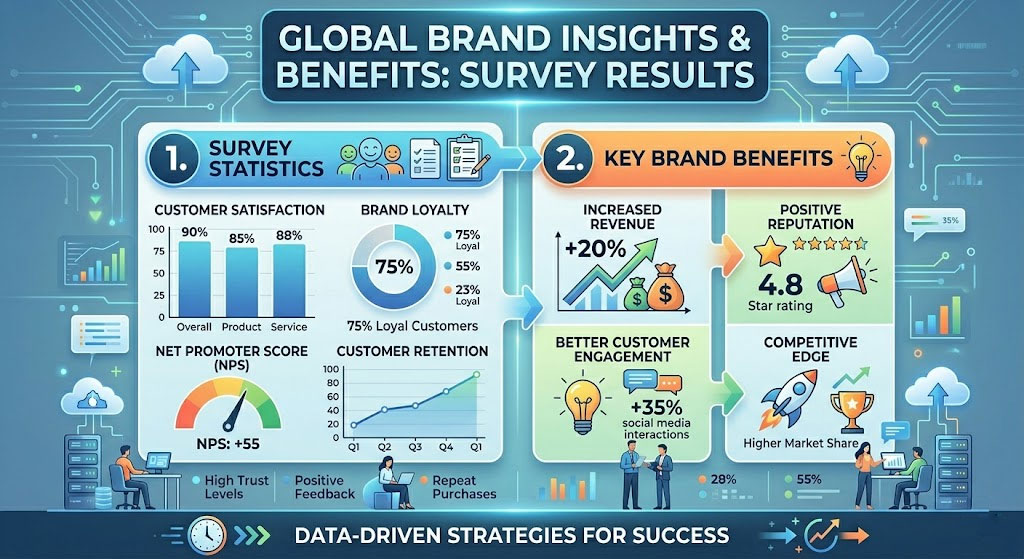
Sustainability is increasingly influencing B2B purchasing decisions.- Recent buyer surveys indicate of B2B buyers prefer suppliers offering eco-friendly fabrics
- Many brands report willing to pay a moderate premium for sustainable options
- Reduce environmental impact
- Increase client trust and loyalty
- Position as an industry leader in eco-conscious innovation
Choose the Right Sustainable Fabrics for Performance and Cost
Eco-friendly textiles today deliver high performance. Key materials adopted by B2B apparel brands:Fabric | Best for | Typical cost premium | Key benefit | Recommended proof (certification) |
Organic cotton | Tees, lifestyle | +10–20% | Low pesticide use, sustainable | GOTS / OEKO-TEX |
Recycled polyester | Outerwear, lining | +5–15% | Circularity, reduced virgin polyester | GRS / OEKO-TEX |
Tencel / Lyocell | Base layer, shirts | +15–25% | Soft, biodegradable, moisture-wicking | FSC chain / OEKO-TEX |
Hemp | Workwear, lifestyle | +10–25% | Durable, low water footprint | Supplier traceability / OEKO-TEX |
Merino wool | Base layer, outdoor | +20–35% | Temperature regulation, odor resistance | RWS / OEKO-TEX |
Bamboo viscose | Tees, loungewear | +15–25% | Soft, breathable, antibacterial | OEKO-TEX / FSC chain |
Cordura (nylon) | Workwear, outerwear | +15–30% | Abrasion-resistant, durable | Bluesign / ISO 9001 |
Recycled nylon | Jackets, activewear | +10–20% | Reduced waste, lightweight | RNY / OEKO-TEX |
PFC-free waterproof membranes | Rain jackets, shells | +10–25% | Eco-friendly water repellency | OEKO-TEX / bluesign |
Organic linen | Lifestyle, summer wear | +10–30% | Breathable, low pesticide | GOTS / OEKO-TEX |
Modal | Tees, loungewear | +15–25% | Soft, drapable, biodegradable | FSC / OEKO-TEX |
Gore-Tex / eVent | Technical outerwear | +30–50% | Waterproof, breathable | ISO 14001 / bluesign |
Kevlar / Aramid | Workwear, protective gear | +40–60% | High-strength, cut-resistant | ISO 9001 / supplier traceability |
Polyester microfleece | Mid-layer, casual | +5–15% | Lightweight, warm, quick-dry | OEKO-TEX / GRS |
Polypropylene / PP | Base layer, activewear | +5–15% | Moisture-wicking, lightweight | OEKO-TEX / ISO 14001 |
- Organic cotton → fully biodegradable, reduces pesticide usage
- Recycled polyester → transforms plastic waste into apparel fabrics
- Tencel/Lyocell → moisture management, soft touch for premium products

Integrate Sustainable Textiles into Existing Lines Without Disruption
Strategic implementation can increase B2B sales:- Supplier Collaboration → Partner with eco-friendly textile experts
- Product Line Assessment → Upgrade key items without affecting cost efficiency
- Client Communication → Highlight eco-friendly choices in catalogs and proposals

Reduce Waste and Improve Efficiency with Smarter Material Planning
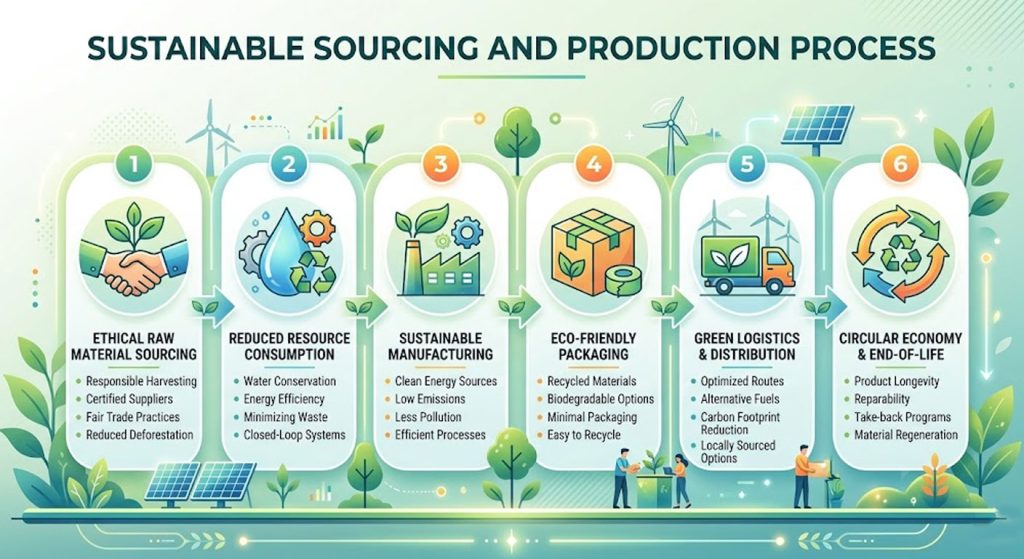
Sustainable fabric adoption can optimize production efficiency:- Source verified eco-friendly fabrics
- Align product lines with market trends
- Reduce waste through optimized manufacturing
FAQ – Key Insights on Sustainable Fabrics in B2B Apparel
1.What are the most popular sustainable fabrics for B2B apparel?
Organic cotton, recycled polyester, Tencel/lyocell, and hemp. Each balances eco-friendliness with durability and comfort.2.How much more do sustainable fabrics cost?
Typically 10–20% higher than conventional fabrics. Most clients are willing to pay a moderate premium.3.Can sustainable fabrics meet performance requirements?
Yes. They offer durability, moisture management, softness, and flexibility.4.How can B2B brands integrate sustainable fabrics into existing lines?
Collaborate with suppliers, assess product lines, and communicate eco-friendly upgrades to clients.5.Where can I find verified sustainable fabric suppliers?
Partner with certified suppliers via custom sustainable apparel solutions.6.What certifications should B2B buyers request for sustainable fabrics?
Partner with certified Request GOTS, OEKO-TEX, FSC chain, GRS, RWS, bluesign depending on material type. These verify organic content, chemical safety, recycled content, and responsible sourcing.7.How do you verify recycled content and traceability at scale?
Partner with certified Use certified supply chain audits, batch-level documentation, and chain-of-custody certifications (GRS, RNY, FSC). Third-party testing of fiber content can provide additional assurance.8.How do sustainable fabrics perform in outerwear (waterproof/breathability) programs?
Partner with certified Modern sustainable fabrics can match traditional performance, e.g., recycled polyester or PFC-free membranes achieve waterproofing and breathability, though careful lab testing and membrane/layer construction is essential.Take Action: Lead Your Clients Toward Eco-Conscious Innovation
After understanding the value and benefits of sustainable fabrics, the next step is action. Evaluate your product lines, partner with trusted suppliers, and communicate eco-friendly choices to your B2B clients. CTA: Explore our Custom Sustainable Apparel Solutions to integrate eco-friendly fabrics and boost brand reputation.
Written by Simmerui’s Product Development Team. We support B2B apparel brands with sustainable material planning, supplier qualification, and performance validation to balance durability, cost control, and eco-friendly claims. Our workflow typically includes certification review, material alternatives planning, and repeatable QC checks to help brands scale sustainable programs with stable bulk delivery.