

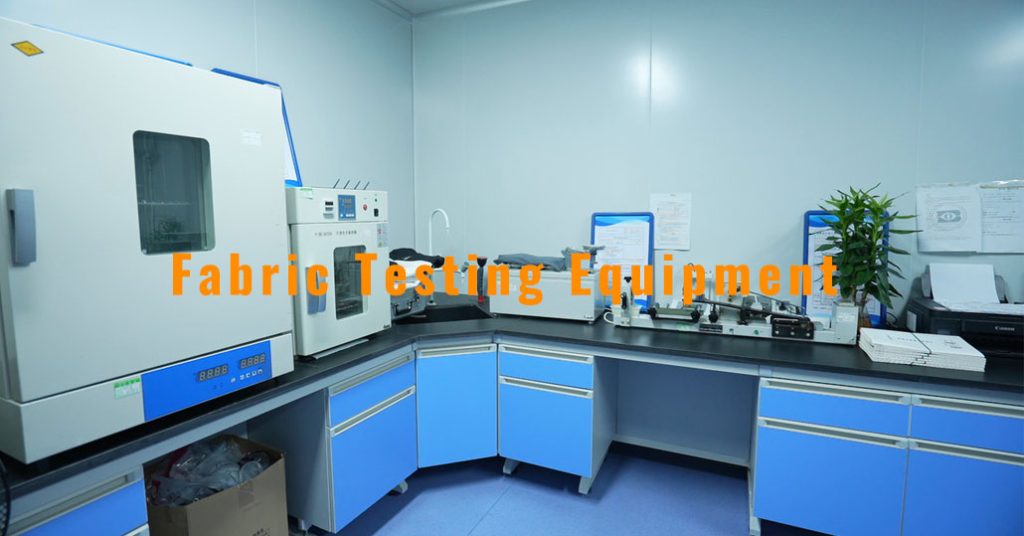
Fabric testing is a critical step in textile manufacturing to ensure garments meet durability, comfort, and performance standards. This guide covers the 10 most common fabric tests—including tensile strength, tear strength, abrasion, color fastness, and water resistance—and explains why B2B apparel brands and OEM manufacturers rely on these tests to deliver reliable, high-quality garments while reducing returns and maintaining brand reputation.
| Test | What It Measures | Key Benefit | Common Application |
| Tensile Strength | Maximum pulling force | Fabric durability | Jackets, backpacks |
| Tear Strength | Resistance after cut | Prevent early tear | Outdoor & protective garments |
| Abrasion Resistance | Wear from friction | Longevity | Elbows, knees, shoulders |
| Pilling | Fiber ball formation | Maintain appearance | Fleece, knitwear |
| Color Fastness | Dye retention | Consistent appearance | All garments |
| Water Resistance | Waterproof rating | Weather protection | Jackets, softshells |
| Breathability | Moisture vapor transmission | Comfort | Sportswear, softshells |
| Shrinkage | Dimensional stability | Fit consistency | All garments |
| Seam Strength | Stress on stitched seams | Reliability | Jackets, activewear |
| Spray Test | Surface water repellency | DWR performance | Waterproof outerwear |
Why Fabric Testing Matters in Apparel Manufacturing
In modern apparel manufacturing, fabric quality directly impacts product performance, brand reputation, and customer satisfaction. For B2B apparel brands, especially those producing outdoor jackets, sportswear, and technical garments, fabric testing plays a crucial role in product development and quality assurance. Textile testing allows manufacturers and brands to verify whether fabrics meet durability, comfort, and performance standards before large-scale production begins. Without proper testing, issues such as fabric tearing, color fading, shrinkage, or poor waterproof performance may occur after the product reaches the market. For B2B brands, working with a professional custom jacket manufacturer or an OEM clothing manufacturer ensures materials are properly tested and garments are produced reliably.1.Measure Fabric Strength to Ensure Long-Term Durability
The tensile strength test measures how much pulling force a fabric can withstand before breaking. This evaluates the overall structural strength of textile materials. Why it matters:- Determines fabric durability
- Prevents breakage during wear
- Important for workwear and outdoor garments

2. Test Tear Resistance to Prevent Early Garment Failure
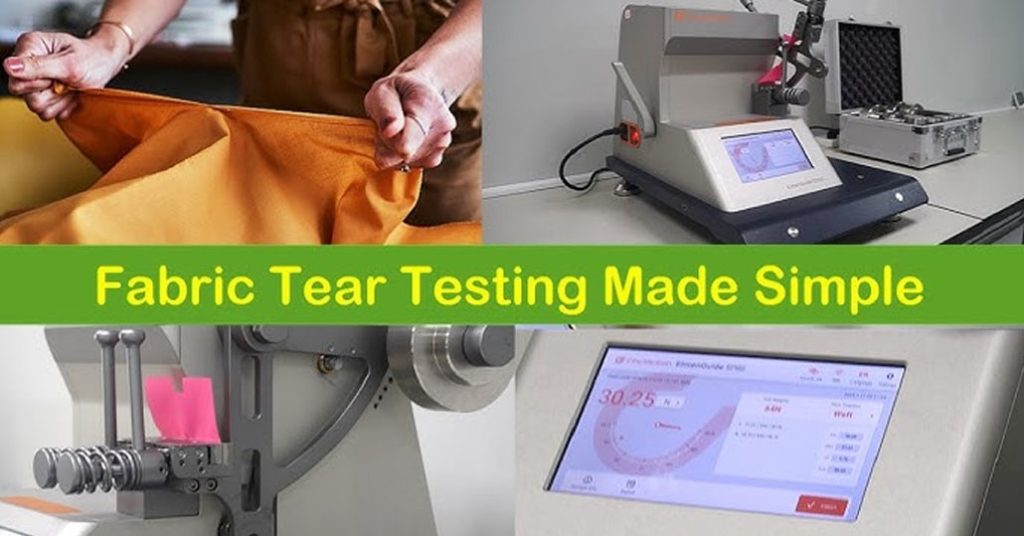
The tear strength test measures how resistant a fabric is to tearing once a small cut occurs. Unlike tensile testing, which measures overall strength, tear testing evaluates how quickly a tear spreads through fabric. Common applications:- Outdoor jackets
- Military clothing
- Protective garments
3. Assess Abrasion to Guarantee Performance in High-Wear Areas
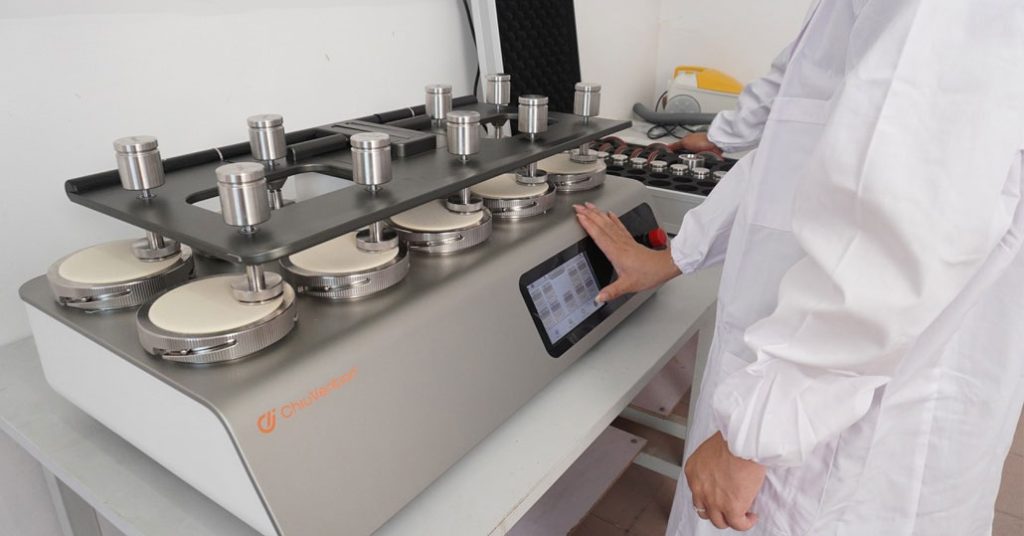
The abrasion resistance test measures how well a fabric withstands repeated friction.Common testing methods include:
- Martindale Abrasion Test
- Taber Abrasion Test
- elbows
- knees
- shoulders

4. Evaluate Color Retention for Consistent Garment Appearance
Fabric pilling occurs when small fiber balls form on the surface after repeated rubbing. The pilling test evaluates how likely a fabric is to develop these pills during use.Why brands care:
Pilling can reduce the perceived quality of garments, especially in:- fleece
- knit fabrics
- sportswear materials
5. Verify Waterproof Performance for Outdoor Applications
The color fastness test determines how well fabric retains its color under different conditions.Common tests include:
- Color fastness to washing
- Color fastness to rubbing
- Color fastness to light
- Color fastness to sweat

6. Test Garment Waterproof Performance and the Criteria for Assessment
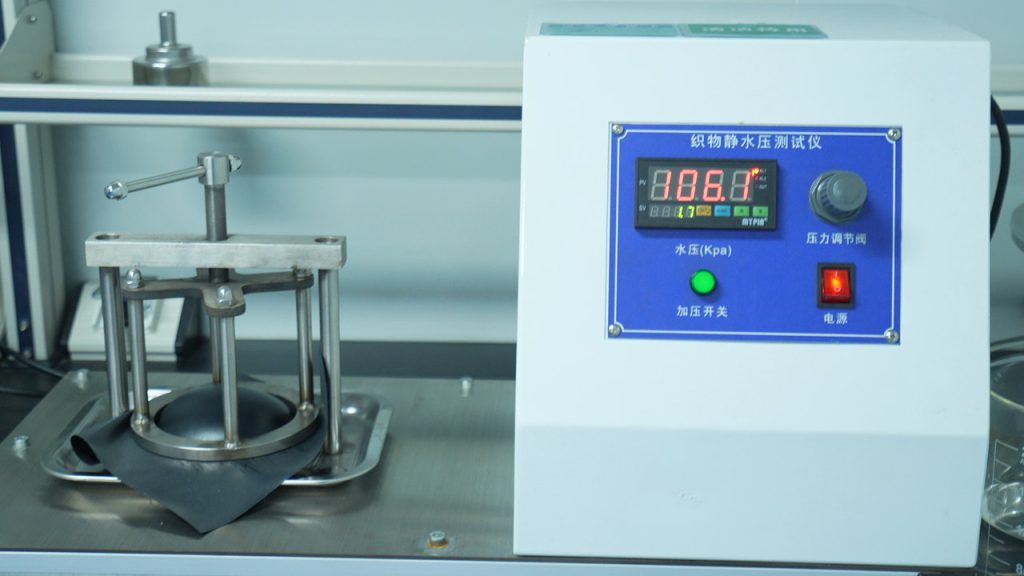
For outdoor apparel, water resistance testing is essential. One common method is the hydrostatic head test, which measures how much water pressure fabric can withstand before leaking.Typical waterproof ratings:
| Rating | Protection Level |
| 5,000 mm | Light rain |
| 10,000 mm | Moderate rain |
| 20,000 mm+ | Heavy rain |
7. Methods for Testing Fabric Breathability and Ideal Performance Indicators
Breathability testing measures how effectively moisture vapor passes through fabric. The most common measurement is MVTR (Moisture Vapor Transmission Rate). Why breathability matters:- Regulates body temperature
- Reduces sweat buildup
- Improves comfort during physical activity
8. Fabric Shrinkage Testing Guidelines and Acceptance Criteria
The shrinkage test evaluates how much a fabric shrinks after washing or drying. Fabrics are washed under controlled conditions and measured before and after. Benefits for apparel brands:- Maintains garment size consistency
- Reduces product returns
- Improves customersatisfaction

9. Suture Strength Testing Procedures and Evaluation Criteria
The seam strength test measures how much stress stitched seams can withstand. This ensures the seam will not break before the fabric does. It is particularly important for:- activewear
- jackets
- industrial clothing

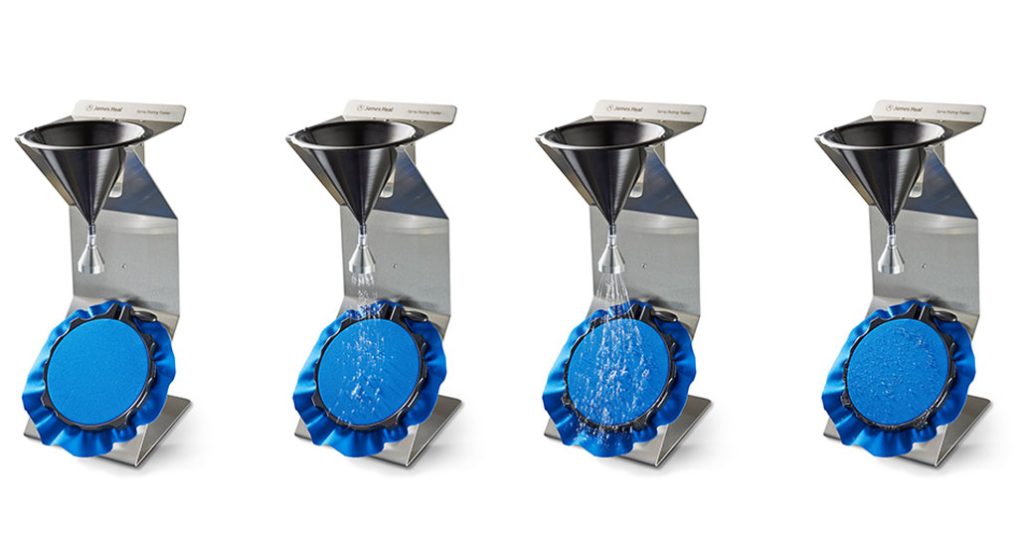
10. Spray Waterproof Performance Test Methods and Classification Criteria
The spray test measures the fabric’s surface water repellency. It evaluates how water behaves when sprayed onto fabric. Results show whether water:- beads on the surface
- partially wets the fabric
- fully absorbs
Conclusion
Fabric testing is a critical part of textile quality control. By conducting standardized tests, manufacturers and apparel brands can ensure that fabrics meet durability, comfort, and performance requirements. Partnering with experienced custom jacket manufacturers, outdoor apparel production teams, and textile quality control services ensures that garments meet international standards and maintain brand reputation.FAQ Section
Q1: How are fabric tests standardized for technical apparel?
Fabric tests are standardized using internationally recognized methods such as ASTM, ISO, AATCC, or EN standards, which define procedures for measuring properties like strength, water resistance, breathability, and abrasion.Q2: Which tests are most critical for outdoor jackets?
Most critical tests for outdoor jackets include waterproofness (e.g., hydrostatic head), breathability (MVTR), tear and tensile strength, seam strength, abrasion resistance, and pilling.Q3: How can B2B brands verify test results from OEM manufacturers?
B2B brands can verify OEM test results by requesting certified lab reports, conducting independent third-party testing, or auditing the manufacturer’s in-house testing facilities.Q4: How do testing results affect product warranty and returns?
Testing results affect warranty and returns by setting performance expectations; failure to meet certified standards can justify returns or claims, while passing tests supports warranty coverage and brand trust.Q5: Can sustainable fabrics pass all standard outdoor apparel tests?
Sustainable fabrics can pass standard tests, but some (like biodegradable or recycled fibers) may require careful formulation or finishing to meet the same waterproof, abrasion, or durability standards as conventional fabrics.
Written by the Simmerui Textile Testing Team. We provide standardized fabric testing services for B2B apparel brands, covering tensile, tear, abrasion, and waterproof performance. Our team ensures that fabrics meet international durability, performance, and safety standards, helping OEM manufacturers and brands deliver reliable, high-quality garments to global markets.