
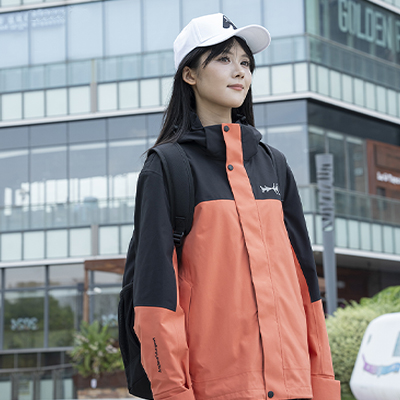
In recent years, outdoor apparel has undergone a remarkable transformation.
It’s no longer confined to mountains and expeditions — it’s now part of everyday city life, from cafés to subways, from workdays to weekends.
Outdoor goes urban.
1. From Function to Fashion: A New Way of Dressing
Outdoor wear used to be defined by technical performance — waterproof, windproof, thermal.
Today’s consumers, however, look beyond data; they seek style.
A jacket should protect you from the cold, but also pair effortlessly with jeans or sneakers.
Designers have thus begun reimagining outdoor clothing as street-ready functional fashion —
not just equipment, but an everyday statement of taste and identity.
2. The Power of Aesthetics: Technology Meets Design
Globally, Outdoor Aesthetics has become a design language of its own.
From Techwear to Gorpcore, the line between performance and style is fading.
Details like taped seams, 3-layer membranes, and adjustable hoods have become iconic, not merely practical.
At Simmerui, we see this as an opportunity:
to bring the precision of outdoor engineering into the rhythm of daily life —
where protection meets personality.
3. The New Generation: Functional Minimalism
Gen Z consumers value authenticity and longevity over excess.
They prefer clothes that transition between work, travel, and leisure — garments built to last, not trends to fade.
Our research shows a rising demand for multi-scenario functional wear:
“A jacket I can wear to both the office and the trail.”
That is the essence of everyday outdoor fashion —
performance rooted in real life.
4. Simmerui Insight: Outdoor as a Mindset
We believe the future of outdoor fashion lies not on mountaintops, but in the heartbeat of the city.
When technology becomes wearable art, and when protection becomes expression,
outdoor wear transcends categories — it becomes a mindset of readiness and freedom.
Simmerui’s mission is to create apparel that blends science, comfort, and style —
lightweight, protective, and timeless.
Because to us, outdoor isn’t a destination — it’s a way of living, everywhere.