

Efficient logistics is critical for B2B apparel brands to reduce lead times, control costs, and ensure retailer satisfaction. This guide explains key strategies including centralized supply chain management, smart inventory planning, regional warehousing, and digital tracking tools like ERP, AI forecasting, and RFID systems.
Case examples demonstrate measurable improvements in delivery times, cost reduction, and inventory accuracy, helping brands optimize bulk production and build a resilient, scalable supply chain for global B2B markets.
Understand B2B Apparel Logistics to Reduce Delays (Enhanced Definition)
B2B apparel logistics refers to the end-to-end coordination of:- Bulk production scheduling
- Inventory planning and warehousing
- International shipping and customs
- Distribution to retail or fulfillment centers
Identify Logistics Bottlenecks to Improve Efficiency in Apparel Logistics (With Industry Impact)
1. Fragmented Supply Chains
Multiple factories and suppliers often result in:- 15–25% longer lead times
- Higher communication errors
2. Poor Inventory Visibility
Without real-time tracking:- Stockouts and overstock increase by 20–40%
- Retailer trust declines significantly
3. Seasonal Demand Volatility
Fashion cycles can cause:- Sudden demand spikes of 2–5x
- Warehouse and shipping bottlenecks
4. International Shipping Complexity
Customs, tariffs, and compliance can:- Add 5–10 days to delivery timelines
- Increase landed cost unpredictability
Centralized vs Fragmented Logistics (Key Comparison)
Logistics Model | Impact | Benefits | Recommended Actions | Metrics |
| Fragmented | Delays, inconsistent inventory | N/A | Evaluate consolidation options | Lead time, stockouts |
| Centralized | 20–30% faster fulfillment | Lower costs, higher accuracy | Integrate ERP + regional warehouses | Delivery time, inventory accuracy |
Conclusion: Centralization is one of the most effective ways to improve logistics efficiency in apparel supply chains.
Implement Centralized Systems and Smart Planning to Cut Costs to Optimize Apparel Logistics
1. Centralized Supply Chain Management
Integrating production, warehousing, and distribution systems can:- Reduce coordination errors by 25%
- Improve delivery predictability
2. Smart Inventory Planning
Using AI forecasting and historical data:- Reduces excess inventory by 20–30%
- Improves stock turnover rates
3. Strategic Warehousing
Positioning warehouses near key markets can:- Cut delivery time by 15–40%
- Lower last-mile costs significantly
4. Reliable Logistics Partnerships
Experienced freight forwarders help:- Avoid customs delays
- Optimize shipping routes and costs
5. Real-Time Tracking & Transparency
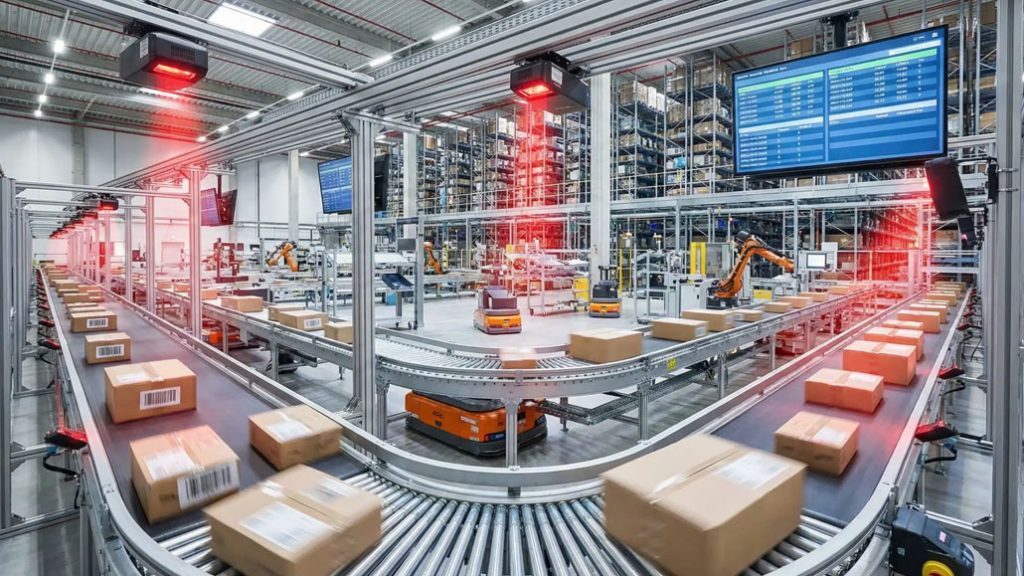
ERP + RFID + IoT systems can:- Increase supply chain visibility by 30–50%
- Reduce order errors and disputes
Apply Optimized Logistics to Achieve Measurable Performance Gains
A mid-sized apparel brand supplying US retailers improved performance by:- 28% faster delivery times
- 18% reduction in logistics costs
- 35% improvement in inventory accuracy
- Implementing ERP tracking
- Shifting to regional warehousing
- Consolidating logistics partners
Use Digital Tools to Track and Optimize Supply Chain
Digital transformation enables measurable improvements:- ERP systems → End-to-end visibility
- AI forecasting → Demand accuracy improvement up to 30%
- RFID tracking → Real-time inventory monitoring
- Automated warehousing → 20–40% efficiency gain

Measure Faster Fulfillment and Lower Operational Costs of Streamlined Logistics
- 20–30% faster order fulfillment
- 15–25% lower operational costs
- Improved retailer satisfaction and retention
- Higher inventory turnover
- Stronger brand reliability in B2B markets
FAQ: Decision-Focused Questions
1. What is the average lead time for bulk apparel orders?
Typically 30–90 days, depending on production complexity and shipping method. Optimized logistics can reduce this by up to 30%.2.How can apparel brands reduce logistics costs?
By:- Using regional warehouses
- Consolidating shipments
- Working with specialized apparel logistics providers
3. Should brands choose FOB or DDP shipping?
- FOB → More control, lower upfront cost
- DDP → Simplified process, predictable pricing
4.How do you choose a logistics partner for apparel sourcing?
Look for:- Experience in textile/apparel shipping
- Strong customs handling capability
- Integrated tracking systems
5.What is the most effective way to improve supply chain visibility?
Implementing ERP + real-time tracking systems, which can increase visibility by up to 50%.6.How to select the right 3PL partner for B2B apparel?
Focus on industry fit and scalability. Choose a 3PL with proven experience in apparel (handling sizing, SKUs, returns), strong B2B capabilities (bulk orders, retailer compliance like EDI), and reliable warehouse locations near your key markets. Check tech integration (ERP/WMS compatibility), service flexibility, and transparent pricing. References from similar brands matter.7.What metrics should brands track to evaluate logistics efficiency?
Track a few core KPIs:- Order accuracy rate
- On-time delivery rate
- Order fulfillment cycle time
- Inventory turnover & accuracy
- Cost per order shipped
- Return rate and processing time
Conclusion
Streamlining B2B apparel logistics is one of the fastest ways to improve operational efficiency and retailer satisfaction. Brands that invest in centralized systems, smart inventory planning, and digital tracking can reduce costs, shorten lead times, and build a more resilient supply chain. Our logistics team standardizes workflows for B2B apparel brands: production scheduling, inventory planning, regional warehousing, shipping coordination, and digital tracking using ERP, AI, and RFID. This approach reduces lead times, controls costs, and ensures accurate order fulfillment across multiple markets.Call to Action
Get a customized logistics and bulk production plan to reduce lead time, improve delivery reliability, and scale your apparel business- Reduce lead time
- Improve delivery reliability
- Scale your apparel business with confidence
Written by the Simmerui Logistics & Production Team. We help B2B apparel brands streamline bulk production, implement centralized supply chains, optimize inventory and warehousing, and integrate digital tracking tools to reduce lead times, control costs, and improve retailer satisfaction globally.