
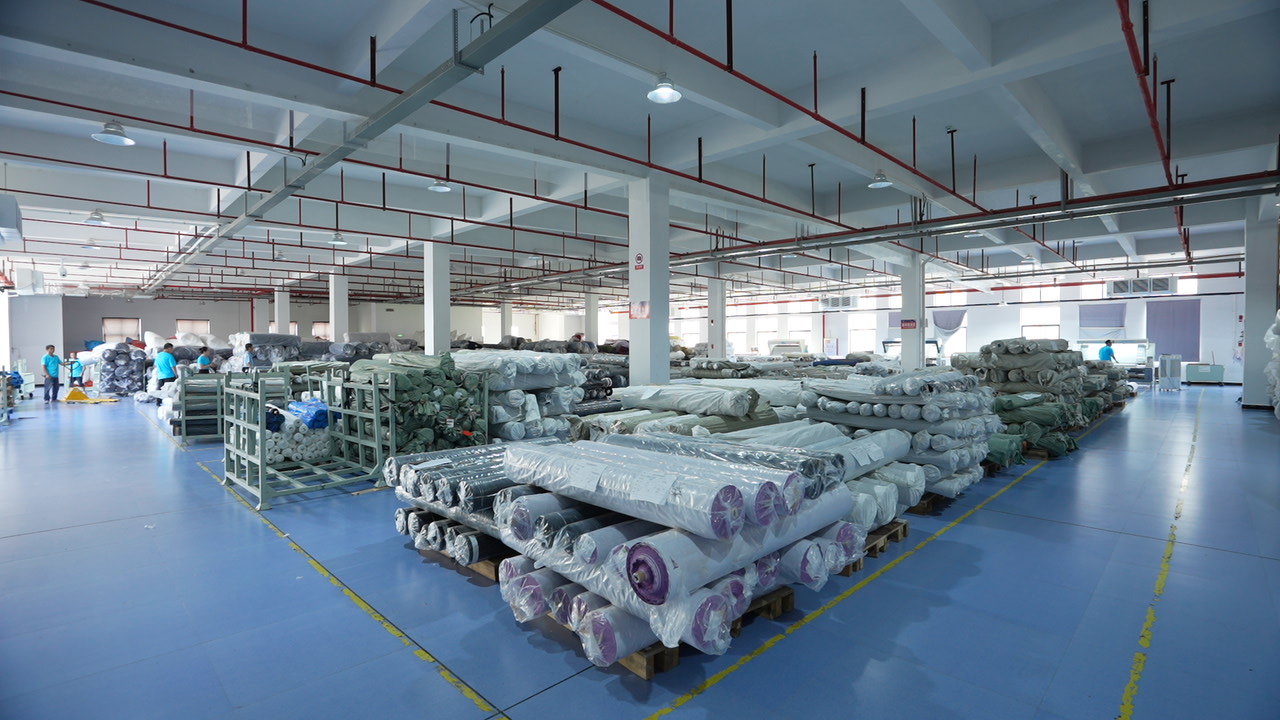
Bulk apparel dyeing has evolved with advanced techniques such as digital dyeing, solution dyeing, and low liquor ratio processing. These methods improve color consistency, reduce environmental impact, and optimize cost efficiency. Choosing the right dyeing method helps B2B buyers control lead time, ensure branding accuracy, and meet global compliance standards.
Common dyeing challenges in bulk apparel orders include:
- Color inconsistency between batches
- High water and chemical consumption
- Long processing and delivery times
- Sustainability and compliance pressure
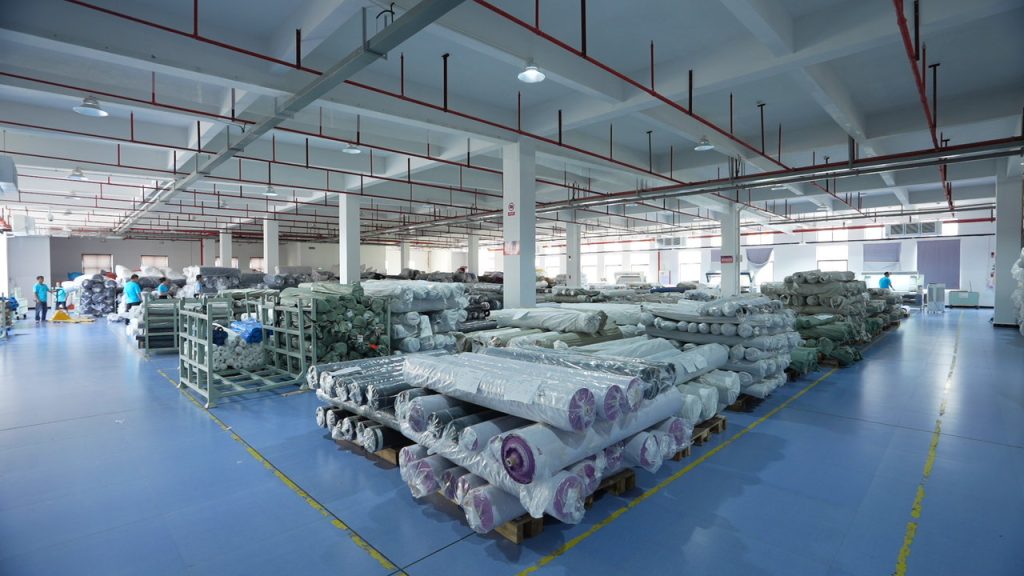
Challenges in Bulk Dyeing (B2B Decision Factors)
Before selecting a dyeing method, professional buyers typically evaluate:- Cost per unit (FOB impact)
- MOQ compatibility
- Lead time stability
- Color consistency (repeat orders)
- Sustainability compliance (RSL, certifications)
Challenges in Bulk Dyeing (B2B Decision Factors)
Before selecting a dyeing method, professional buyers typically evaluate:- Cost per unit (FOB impact)
- MOQ compatibility
- Lead time stability
- Color consistency (repeat orders)
- Sustainability compliance (RSL, certifications)
5 Scalable Dyeing Methods for B2B Apparel
1. Digital Dyeing (Inkjet Textile Printing)
Best for: Private label, fashion brands, promotional apparelB2B Evaluation:
- Cost Level: Medium–High
- MOQ: Flexible (ideal for mixed designs in one order)
- Lead Time: Fast sampling, reduced setup time
- Color Accuracy: Excellent (Pantone-friendly)
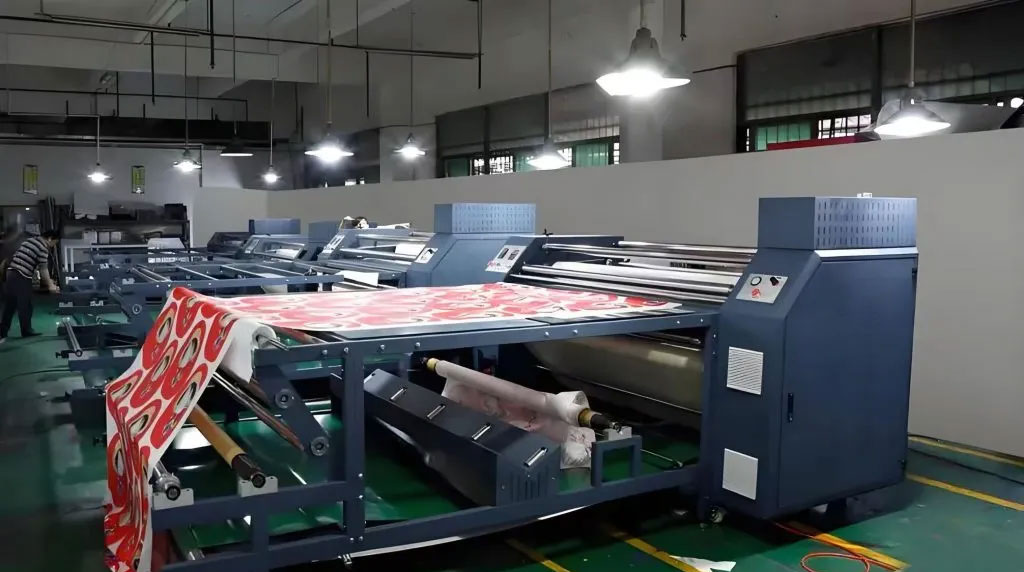
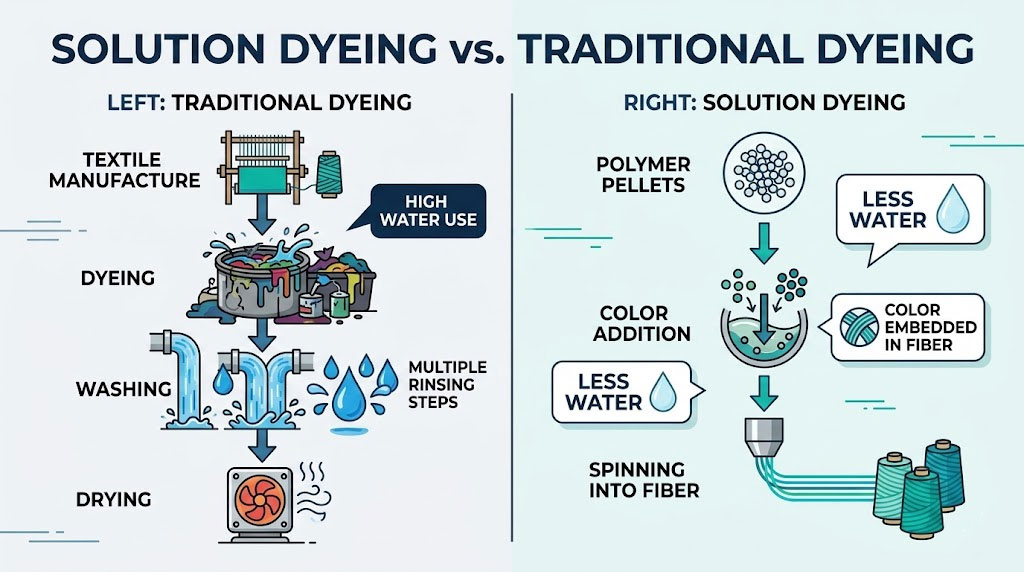
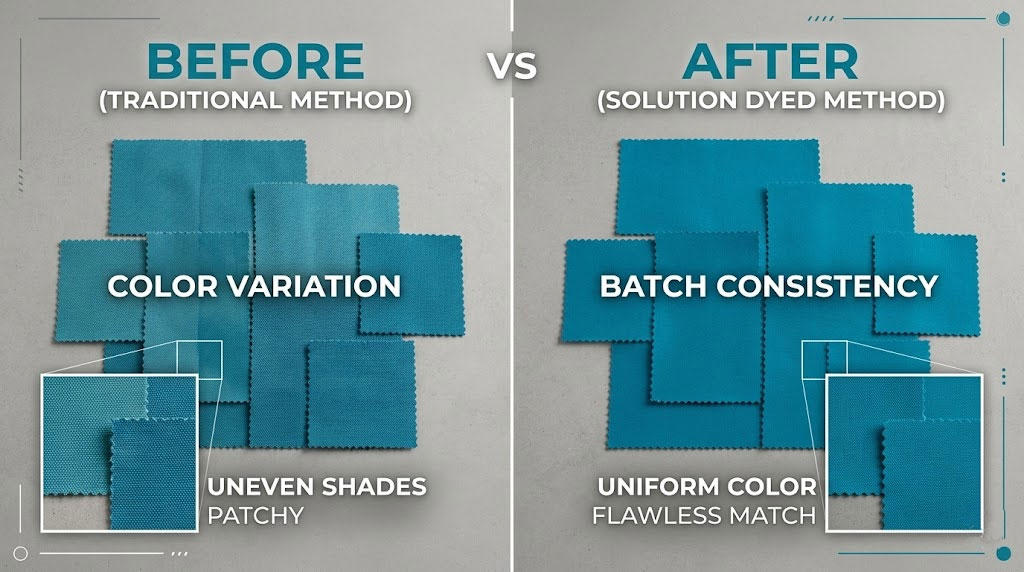
2. Solution Dyeing (Dope Dyeing)
Best for: Uniforms, sportswear, outdoor apparelB2B Evaluation:
- Cost Level: Medium
- MOQ: High (optimized for scale)
- Lead Time: Stable for repeat production
- Color Consistency: Industry-leading
3. Low Liquor Ratio Dyeing
Best for: Cost-driven bulk productionB2B Evaluation:
- Cost Level: Low–Medium
- MOQ: Medium–High
- Lead Time: Faster than conventional dyeing
- Sustainability: Strong (reduced water & chemicals)
4. Cold Pad Batch Dyeing
Best for: Cotton T-shirts, basics, workwearB2B Evaluation:
- Cost Level: Low
- MOQ: High
- Lead Time: Moderate
- Fabric Limitation: Mainly cotton/cellulose
5. Supercritical CO₂ Dyeing
Best for: Sustainable / premium collectionsB2B Evaluation:
- Cost Level: High
- MOQ: Medium
- Lead Time: Depends on supplier capability
- Sustainability: Best-in-class (waterless)
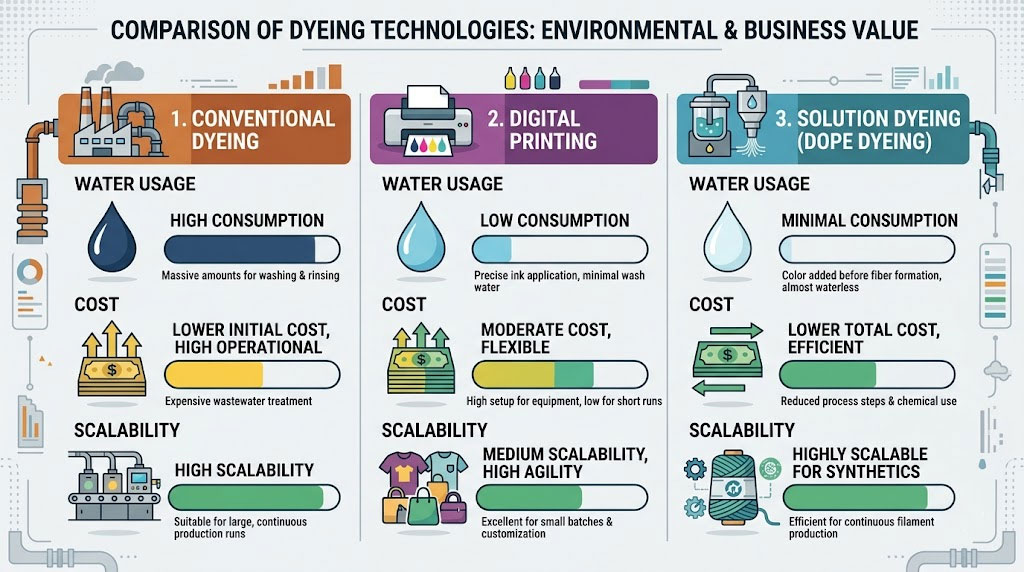
Quick Comparison for Sourcing Decisions
|
Method |
Cost | MOQ | Lead Time | Consistency | Sustainability |
Best For |
| Digital Dyeing | Med–High | Low–Med | Fast | ★★★★★ | ★★★★☆ | Custom designs |
| Solution Dyeing | Medium | High | Stable | ★★★★★ | ★★★★★ | Uniforms |
| Low Liquor Ratio | Low–Med | Med–High | Fast | ★★★★☆ | ★★★★☆ | Cost control |
| Cold Pad Batch | Low | High | Medium | ★★★★☆ | ★★★☆☆ | Basics |
| CO₂ Dyeing | High | Med | Variable | ★★★★★ | ★★★★★ | Eco premium |
How to Choose the Right Method (Practical Guide)
If your priority is brand consistency → Choose Solution Dyeing If your priority is flexibility & design complexity → Choose Digital Dyeing If your priority is cost optimization → Choose Low Liquor Ratio / Cold Pad Batch If your priority is sustainability positioning → Choose CO₂ Dyeing or Solution DyeingCommon Buyer Mistakes (Costly but Avoidable)
- Choosing a dyeing method before confirming MOQ
- Ignoring fabric compatibility (e.g., cotton vs polyester)
- Mixing dyeing processes within the same order
- Not validating color with lab dips before bulk
FAQ & Best Practices
1.What is the best dyeing method for repeat bulk orders?
Solution dyeing ensures the highest consistency across production runs.2.How can I reduce dyeing-related costs?
Use low liquor ratio or cold pad batch dyeing for large-volume basics.3. Can you ensure Pantone color matching?
Yes—through lab dips, strike-offs, and controlled dyeing processes.4. Which dyeing method is most eco-friendly?
CO₂ dyeing (waterless) and solution dyeing (low resource usage).5.Does dyeing method affect delivery time?
Yes—digital and low liquor methods can significantly shorten lead times.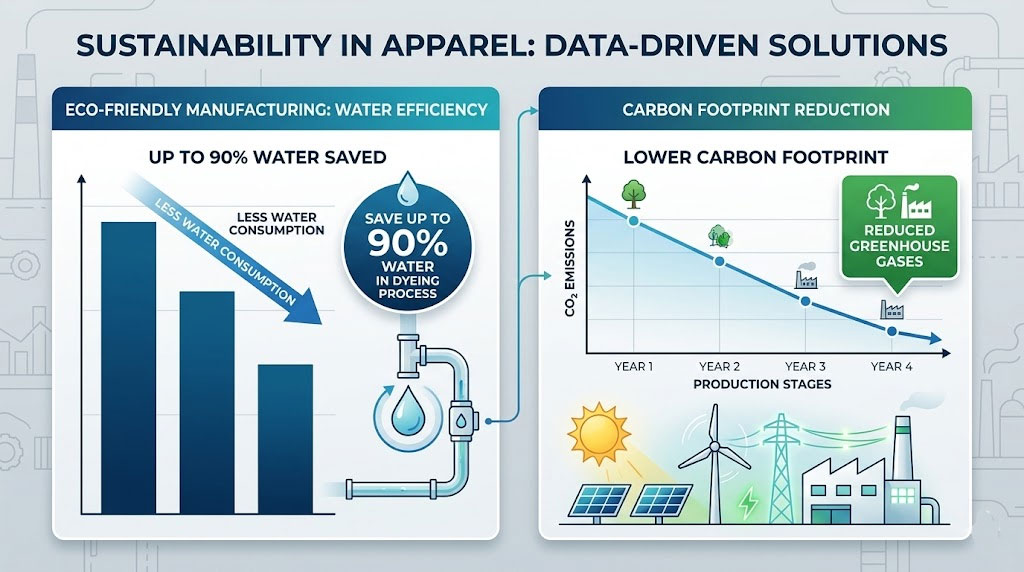
Why B2B Brands Choose Us
We don’t just explain dyeing—we help you execute it at scale:- ✔ Access to certified dyeing mills (ISO / compliance-ready)
- ✔ Lab dip approval & color consistency control
- ✔ Fabric + dyeing + testing integrated workflow
- ✔ RSL, ASTM, and quality inspection support
- ✔ Stable bulk production with reduced rework risk
Get the Right Dyeing Solution for Your Next Order
Whether you’re sourcing:
- Custom fashion collections
- Uniform programs
- Sustainable apparel lines
We help you choose the most cost-effective and scalable dyeing method.
👉 Request a quote
👉 Get dyeing recommendations
👉 Start sampling (7–10 days)
Written by the Simmerui textile production Team. We help B2B apparel brands implement ISO and ASTM textile testing strategies, including RSL alignment, supplier certification review, third-party lab coordination, and incoming material inspections—ensuring consistent quality and compliance across global orders.