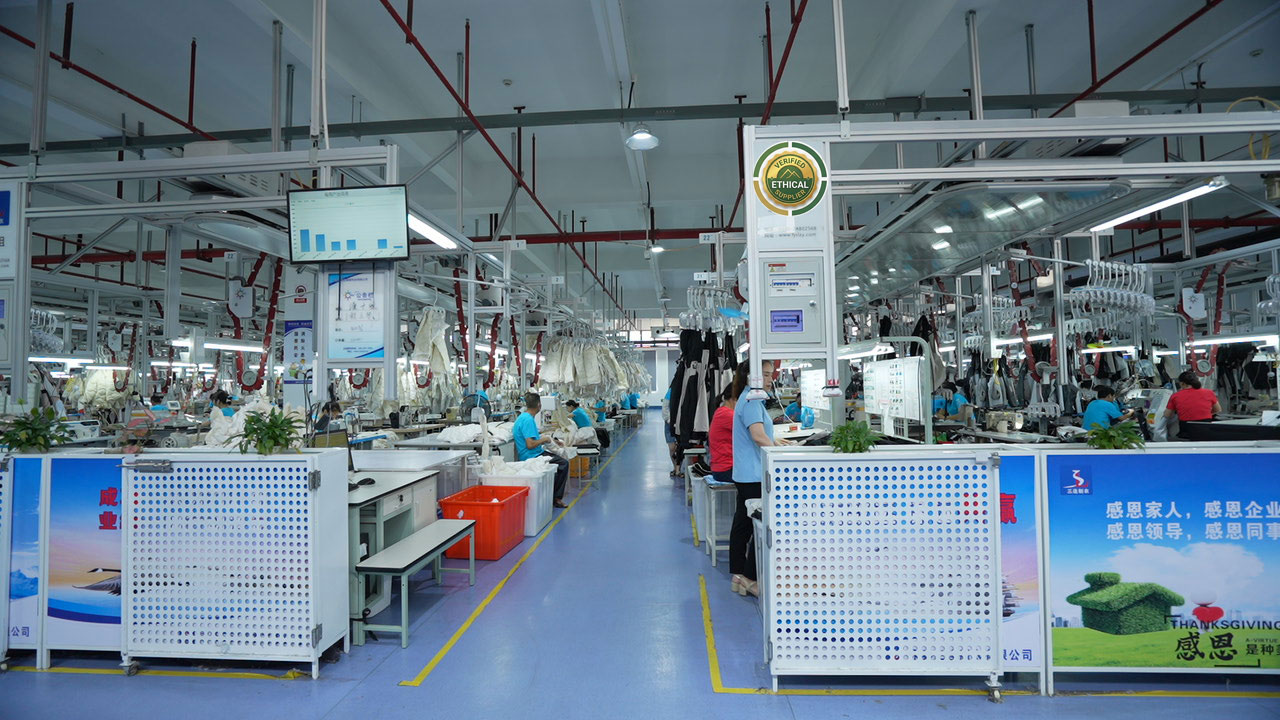
Ethical manufacturing has become a key decision factor for B2B apparel buyers, impacting brand reputation, compliance risk, and long-term client trust. This guide explains what ethical apparel manufacturing includes—fair labor practices, environmental sustainability, and supply chain transparency—and provides practical verification steps such as certifications, independent audits, and documentation review. It also offers communication methods to help buyers present ethical sourcing proof to stakeholders and retail partners.
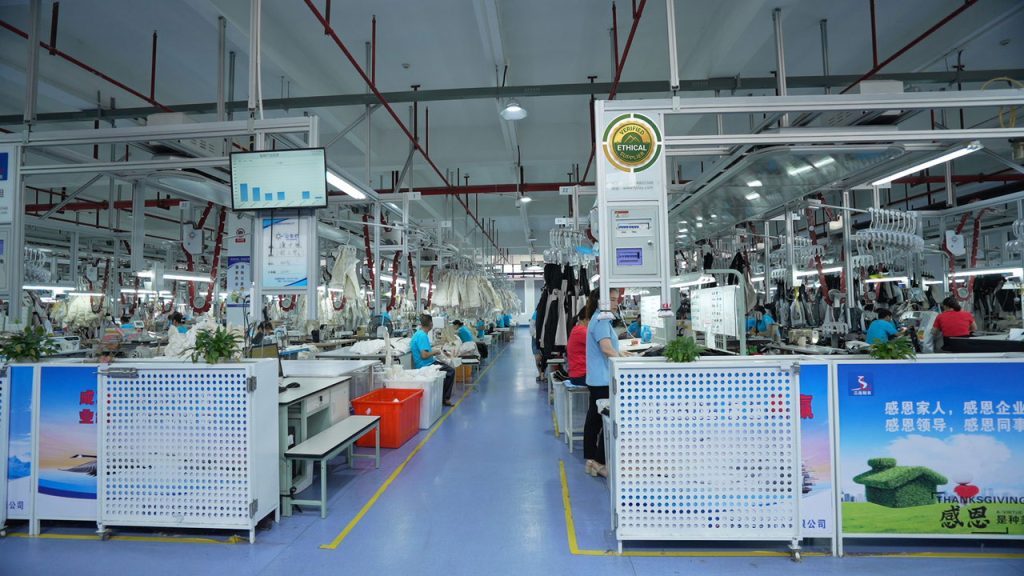
Reduce Compliance Risk and Win Buyer Trust with Ethical Manufacturing in B2B Apparel
B2B buyers are no longer focused solely on cost and quality. Increasingly, suppliers’ ethical practices—fair wages, safe working conditions, and sustainable production—are critical decision factors. Research shows over many global buyers increasingly now consider ethical sourcing when selecting suppliers. Partnering with verified ethical manufacturers not only reduces operational risk but also drives measurable business outcomes.Build an Ethical Supply Chain: Labor, Environment, Transparency of Ethical Apparel Manufacturing
- Fair Labor Practices
- Wages above local minimum standards
- Reasonable working hours
- Safe, healthy work environments
- Environmental Sustainability
- Responsible raw material sourcing
- Energy-efficient production processes
- Waste reduction and proper disposal
- Transparent Supply Chains
- Full visibility into subcontractors
- Documented sourcing of fabrics and trims
- Third-party certifications (SA8000, WRAP, ISO 14001)

Requirement | What to ask for | Evidence | Red flags |
Fair labor | Wage policy / working hours | Audit report / payroll samples | Excessive overtime / unpaid work |
Sustainability | Energy / waste records | ISO 14001 certificate / KPI logs | Missing disposal records |
Transparency | Subcontractor list | Factory list / traceability docs | Refuses to disclose |
Health & Safety | Safety protocols / training | Safety audits / incident logs | Frequent accidents / violations |
Quality control | QC standards / procedures | QC reports / inspection records | High defect rates / ignored reports |
Ethical sourcing | Supplier code of conduct | Supplier agreements / certifications | Suppliers with poor reputation |
Verify Supplier Ethics: Certifications, Audits, Documentation for B2B Buyers to Verify Ethical Compliance
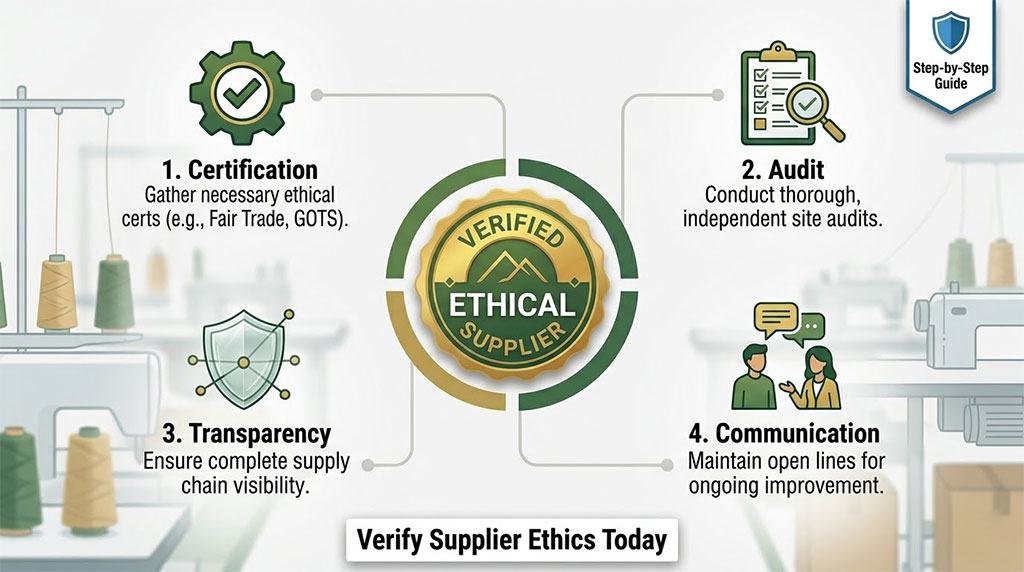
- Partner with Certified Suppliers Look for suppliers holding recognized certifications such as SA8000, WRAP, or ISO 14001. These certifications signal a verified commitment to labor and environmental standards.
- Conduct Independent Audits Commission third-party audits or site inspections to validate compliance. Even a short virtual audit using supplier-provided evidence can identify risks early.
- Evaluate Supply Chain Transparency Request detailed documentation on subcontractors, raw materials, and production processes. Suppliers who openly share this information reduce uncertainty and risk.
- Communicate Your Commitment
Effectively communicate ethical practices to clients:
- Highlight certifications in product catalogs
- Share audit results in presentations
- Incorporate supplier stories into marketing materials
FAQ: Ethical Manufacturing for B2B Buyers
1.What counts as ethical manufacturing in apparel?
Fair wages, safe working conditions, sustainable environmental practices, and responsible sourcing.2.How can I verify a supplier’s ethical standards?
Request third-party certifications, conduct audits, review supply chain transparency reports, and assess documentation.3.Does ethical sourcing increase costs?
While upfront costs may be higher, long-term benefits—reduced risk, stronger client relationships, and enhanced brand reputation—outweigh the investment.4.How can I communicate ethical practices to clients?
Highlight certifications, share audits, feature supplier stories, and integrate ethical initiatives in marketing materials.5.How do global buying trends affect suppliers?
Buyers increasingly prioritize traceable, sustainable, and ethical supply chains. Suppliers demonstrating compliance gain preferential consideration and long-term partnerships.6.What documents should suppliers provide for ethical sourcing verification?
Supplier code of conduct, labor & wage policies, audit reports, certifications (e.g., SA8000, WRAP), subcontractor lists, and traceability records.7.How often should audits be conducted for B2B apparel programs?
Typically annually for full audits; quarterly or semi-annual for high-risk suppliers or follow-up checks.8.What’s the difference between WRAP and SA8000 (and when to use each)?
- WRAP: Focuses on apparel factory compliance and socially responsible production; widely used for global apparel brands.
- SA8000: International standard for social accountability across all industries; more formal and certification-based.
- Use: WRAP for apparel-specific compliance; SA8000 for broader social responsibility benchmarking.
Fast Tips to Implement Ethical Sourcing Today
- Start by auditing one key supplier to understand current compliance.
- Include ethical criteria in supplier RFQs and contracts.
- Highlight your ethical initiatives on your website and client presentations.
- Use visual dashboards or checklists for easy communication with buyers.

Why Choose Simmerui for B2B Ethical Apparel
We specializing in high-quality custom garments with fully transparent and ethical production. Our services include:- Ethical supplier verification
- Sustainable material sourcing
- Custom apparel production for global brands
- Transparency dashboards for clients
Written by the Simmerui Compliance & Production Team. We support B2B buyers by aligning ethical sourcing requirements with supplier documentation, coordinating third-party audits, and maintaining traceability records for fabrics, trims, and subcontractors. Our workflow helps brands reduce compliance uncertainty, standardize supplier evaluations, and communicate verified ethical practices to stakeholders and retail partners.
CTA: Contact us today to source ethically manufactured apparel and enhance your brand reputation.