
A market-ready apparel product requires a structured development workflow—concept planning, tech pack preparation, fabric sourcing, sampling, production planning, and quality control—before bulk manufacturing begins. This guide explains how OEM/ODM apparel manufacturers turn clothing ideas into scalable products by reducing sampling revisions, stabilizing material sourcing, and setting QC checkpoints that protect fit, consistency, and delivery timelines.
You’ll also find practical stage-by-stage deliverables and a realistic timeline to help brands manage risk and accelerate launch.
Apparel Product Development Process Overview
|
Stage |
Main Objective | Business Value |
Deliverables |
| Concept Planning | Define product direction | Aligns design with market demand | Product brief, target price range, category positioning, competitor benchmarking, seasonal direction, mood board |
| Technical Design | Create production-ready specifications | Reduces sampling errors | Tech pack V1, flat sketches, POM (Points of Measurement), grading specs, BOM draft, construction details, artwork placement |
| Fabric Sourcing | Select suitable materials | Controls quality & cost | Fabric swatches, lab dips, trim options, fabric test requirements, supplier quotations, material approvals |
| Prototyping / Sampling | Test fit and functionality | Minimizes production risks | Proto sample, fit sample, PPS (Pre-Production Sample), fitting comments, approval records, revision logs |
| Production Planning | Organize manufacturing workflow | Improves efficiency | Capacity plan, production timeline, cutting plan, sewing workflow, packaging plan, procurement schedule |
| Quality Control | Ensure consistency & compliance | Protects brand reputation | AQL standards, inline inspection reports, final inspection reports, corrective action records, defect analysis, issue closure tracking |
| Market Launch | Prepare for distribution & retail | Supports faster commercialization | Packaging specifications, barcode/SKU setup, shipping marks, retail launch timeline, marketing assets, logistics coordination |
Successful apparel product development depends on accurate tech packs, reliable material sourcing, efficient sample revisions, and scalable production management.
1. Turning a Clothing Concept into a Technical Design
Every successful apparel product starts with a clear concept. This may include:- Hand sketches
- Reference garments
- Mood boards
- Fabric inspirations
- Functional requirements
- Brand positioning goals
- Target customer demographics
- Seasonal trends
- Product functionality
- Pricing expectations
- Manufacturing feasibility
2.Technical Design & Tech Pack Development
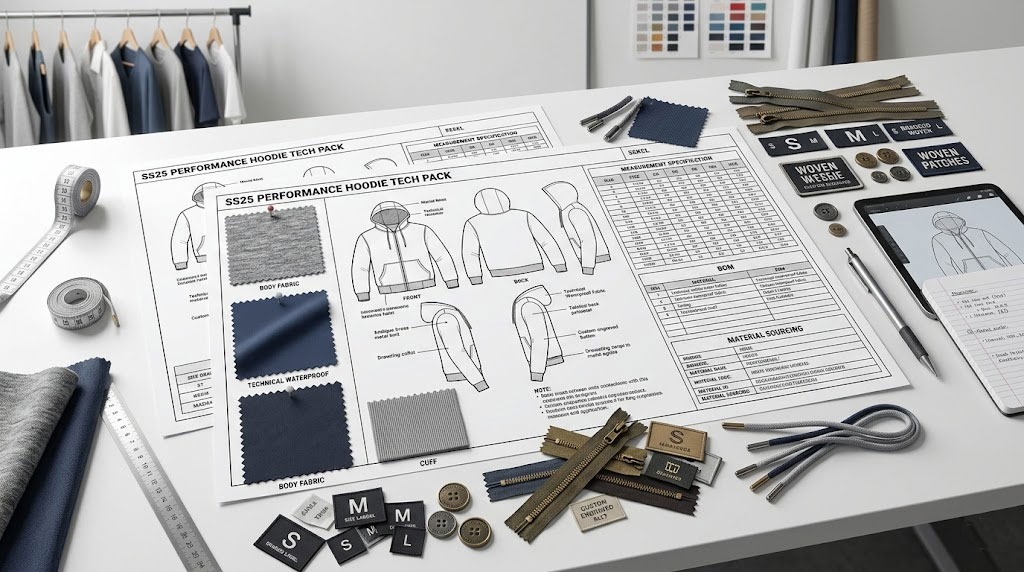
Once the concept is finalized, the design is transformed into detailed technical specifications. A professional apparel tech pack typically includes:Tech Pack Element | Why It Matters |
Flat Sketches | Defines garment structure |
Measurement Spec Sheet | Maintains sizing consistency |
Fabric Information | Ensures sourcing accuracy |
Trim Details | Clarifies accessories & branding |
Construction Notes | Standardizes sewing methods |
Artwork Placement | Improves logo accuracy |
Packaging Instructions | Supports retail readiness |
3.Fabric Sourcing & Material Evaluation
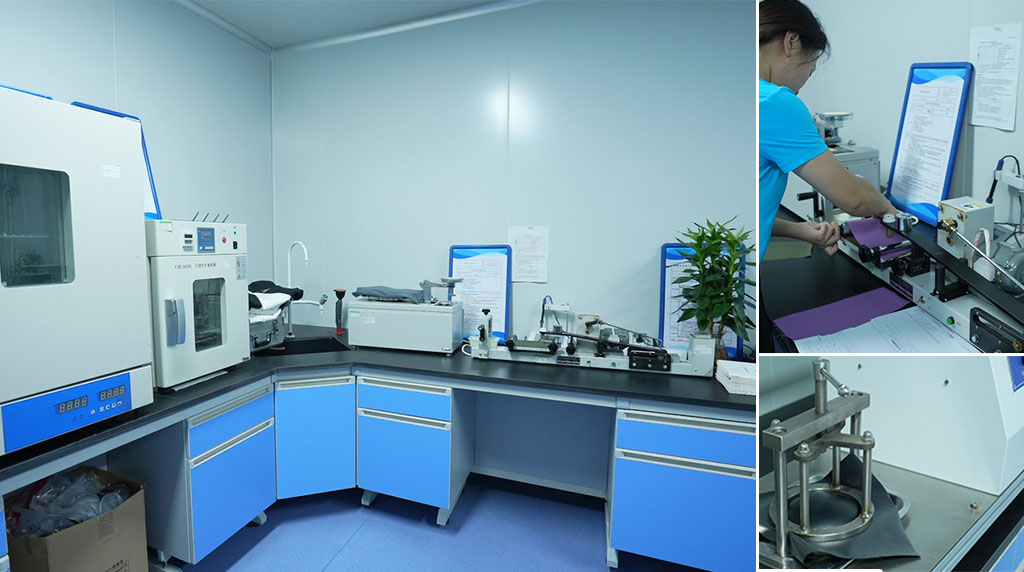
Fabric selection directly impacts:- Product performance
- Durability
- Comfort
- Cost
- Sustainability
- Consumer perception
- Fabric composition
- Weight and texture
- Stretch performance
- Colorfastness
- Shrinkage rates
- Waterproof or breathable properties
- Compliance requirements
- Pantone color accuracy
- Fabric drape
- Hand feel
- Real-world wear performance
4. Apparel Prototyping & Sample Development
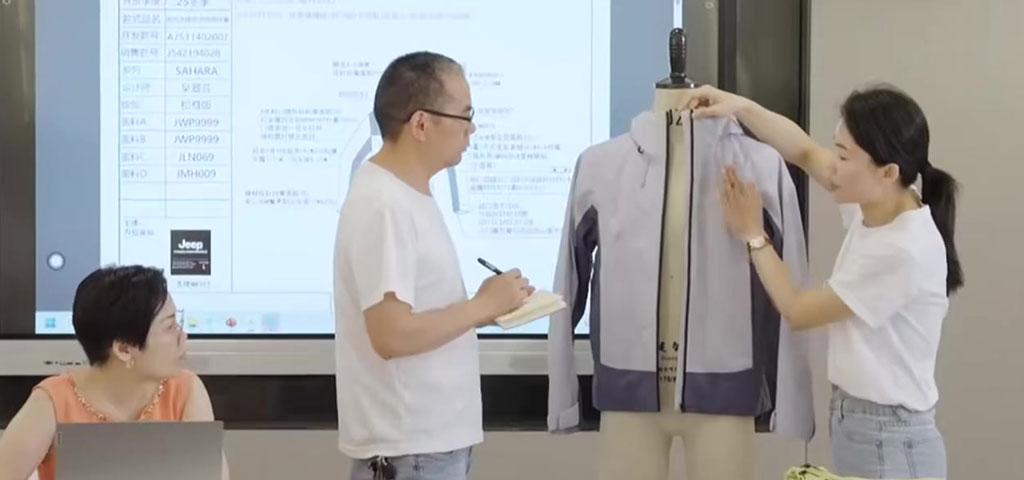
Prototype development is one of the most important stages in apparel manufacturing. This process validates:- Fit accuracy
- Pattern balance
- Garment functionality
- Construction quality
- Branding placement
Sample Type | Purpose |
Proto Sample | Evaluates initial construction |
Fit Sample | Tests sizing & proportions |
Salesman Sample | Supports marketing & buyer presentations |
PPS Sample | Confirms pre-production approval |
To accelerate development cycles, we also offer 3D digital apparel sampling.
Benefits of 3D sampling include:
- Faster revisions
- Reduced physical sample costs
- Improved visualization
- Lower material waste
- Faster approval workflows
Many startup fashion brands reduce development costs by using virtual sampling before physical production begins.
5.Production Planning for Bulk Apparel Manufacturing
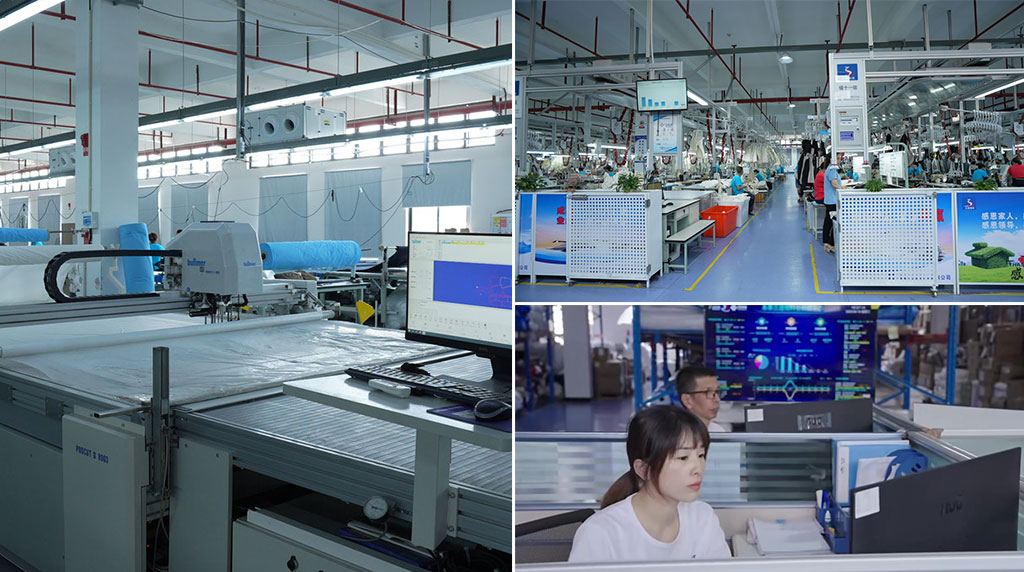
After sample approval, production planning begins. This stage includes:- MOQ confirmation
- Material allocation
- Production scheduling
- Capacity planning
- Sewing line arrangement
- Packaging coordination
- Logistics preparation
- Prevent delivery delays
- Improve manufacturing consistency
- Reduce material waste
- Optimize labor efficiency
6.Quality Control & Apparel Testing
Quality assurance is critical in modern garment manufacturing. Before shipment, products undergo inspections for:- Stitching accuracy
- Measurement tolerances
- Color consistency
- Fabric defects
- Print durability
- Trim attachment strength
- Packaging compliance
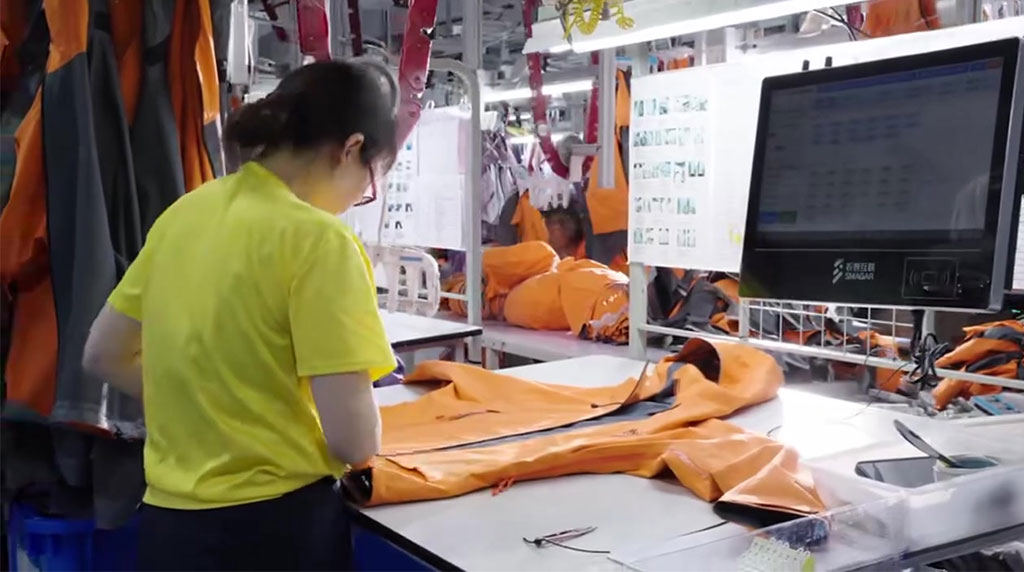
Common Challenges in Apparel Product Development
Fashion brands often encounter production challenges such as:Common Issue | Potential Impact |
Incomplete tech packs | Sampling delays |
Fabric sourcing instability | Production inconsistency |
Frequent design revisions | Increased development cost |
Poor communication | Manufacturing errors |
MOQ limitations | Budget pressure for startups |
Lack of QC standards | High defect rates |
Sustainable Apparel Development Trends
Sustainability is becoming increasingly important in apparel manufacturing. Modern product development strategies now include:- Recycled fabrics
- Digital sampling
- Reduced fabric waste
- Eco-friendly dyeing methods
- Sustainable packaging
- Optimized production planning
Estimated Apparel Development Timeline
| Development Stage | Estimated Time | Dependencies | Risks |
| Concept Planning | 2–5 days | Clear product brief, target customer profile, reference samples, seasonal direction | Unclear positioning, changing requirements, delayed design approvals |
| Technical Design | 3–7 days | Complete tech pack, accurate measurements, construction details, artwork files | Incomplete tech pack, missing BOM details, incorrect grading specs, communication gaps |
| Fabric Sourcing | 5–10 days | Fabric availability, supplier response speed, test standards, MOQ confirmation | Lab dip delays, fabric stock shortages, failed fabric tests, trim sourcing issues |
| Sampling | 7–14 days | Approved materials, finalized tech pack, pattern readiness, trim availability | Fit issues, incorrect construction, delayed trims/custom labels, repeated sample revisions |
| Revisions | 3–10 days | Timely fit comments, consolidated feedback, updated specifications | Multiple approval rounds, inconsistent comments, pattern modification delays |
| Bulk Production | 20–45 days | Approved PPS sample, fabric/trims in-house, production capacity, confirmed packaging details | Peak-season capacity constraints, raw material delays, QC failures, shipping schedule disruptions |
Timelines vary by garment complexity, material availability, order quantity, and seasonality.
Frequently Asked Questions
1.How long does apparel product development take?
Most clothing development projects take between 4–12 weeks before bulk production depending on design complexity, fabric sourcing, and revision cycles.2.What is included in a clothing tech pack?
A tech pack usually includes measurements, fabric details, trims, construction instructions, artwork placement, labels, and packaging specifications.3.Why is sampling important before bulk production?
Sampling helps identify fit issues, construction problems, and material inconsistencies before mass production begins, reducing expensive manufacturing mistakes.4.What factors affect apparel manufacturing costs?
Major cost factors include:- Fabric selection
- Order quantity
- Garment complexity
- Printing or embroidery
- Packaging requirements
- Logistics and shipping
5.What documents are required to get an accurate OEM quote?
Brands should provide a tech pack, measurement specs, fabric and trim details, artwork files, target quantity, and packaging requirements. The more complete the information, the more accurate the quotation.6.How to reduce sampling revisions and shorten the development cycle?
Use a detailed tech pack, consolidate fit comments into one round, approve fabrics and trims early, and maintain clear communication between the brand and factory teams.7.What QC checkpoints should be set before bulk production?
Common checkpoints include fabric inspection, PPS (Pre-Production Sample) approval, inline production inspection, measurement checks, and final AQL inspection before shipment.8.How to plan MOQ and production schedule for new brands?
Start with simplified designs and core colorways to meet MOQ more easily. Plan extra time for sourcing and revisions, especially during peak production seasons.Ready to Turn Your Clothing Idea into Reality?
At Simmerui, we help brands simplify apparel product development through professional OEM and ODM manufacturing solutions. Whether you are launching a startup clothing brand or scaling an established fashion business, our team supports every stage of the process:- Product development
- Fabric sourcing
- Technical design
- Sampling
- Bulk production
- Quality control
- Packaging & logistics
Why Brands Work With Us
- Flexible MOQ options
- Fast sample turnaround
- Professional product development support
- Reliable quality management
- Global shipping experience
- Efficient communication workflow
Start Your Apparel Development Project Today
- Request a Quote
- Develop Your First Sample
- Discuss Your OEM/ODM Requirements
- Build Your Next Collection Faster