Choosing the right outdoor apparel manufacturer affects product performance, compliance, and long-term reorder stability. This guide helps B2B brands evaluate technical capabilities (seam sealing, bonded construction), sustainability readiness (GRS, OEKO-TEX, bluesign®, BSCI), production scalability (MOQ, lead time, 3D sampling), and quality control (hydrostatic head, MVTR, abrasion).
You’ll also learn what to ask during sampling and how to set clear communication and QC checkpoints—so technical outerwear programs scale reliably with fewer defects and delays.Introduction
In the rapidly growing outdoor apparel market, choosing the right manufacturer can make or break your brand. Beyond price, factors like technical expertise, sustainable production, and transparent communication directly impact product quality and customer trust. Here is your comprehensive guide to making an informed, future-proof decision.1. Verify Technical Capability for Seam Sealing and Bonded Construction
Outdoor apparel is not standard fashion—it’s performance gear. Ensure your manufacturer has experience in: Seam sealing, laser cutting, and bonded construction for hiking jackets, waterproof gear, and layered clothing. Portfolio review: Examine past technical projects to verify their capability in handling complex layering systems.Item | What to ask | Evidence | Red flags |
Seam sealing | Machine type / number of operators | Sample photos/video of sealed seams | Supplier only claims “can do” without proof |
Certifications | Certificate number / date | Audit report, validity check | Expired certificates, refusal to provide |
Waterproof claims | ISO/ASTM test report per batch | Hydrostatic head results, lab reports | Only marketing claims, no batch-specific test |
QC process | In-line checklist, frequency | AQL / inspection records | Only final inspection, no in-line monitoring |
Sampling | Proto/PPS timeline | Milestone plan with dates | Timeline vague or unrealistic |
Fabric quality | Supplier specifications | Lab test reports, physical samples | Only verbal confirmation, no test data |
Print / embroidery | Machine type, operator experience | Sample images, videos | Only marketing claims, no proof of quality |
Packaging | Packing method, materials | Sample pack, photos | Supplier cannot provide packaging samples |
Lead time | Production schedule | Confirmed production timeline | Vague or inconsistent dates |
Compliance | Safety, environmental standards | Certificates, audit reports | Non-compliance or refusal to provide evidence |
Stitching / construction | Stitch type, machine used | Close-up images, sample garments | Only claims standard quality, no visual proof |
Colorfastness | Test method / standard | Lab test report | No test conducted, only verbal assurance |
Logistics | Shipping method / capacity | Shipping plan, transit record | Supplier vague or no record of past shipments |
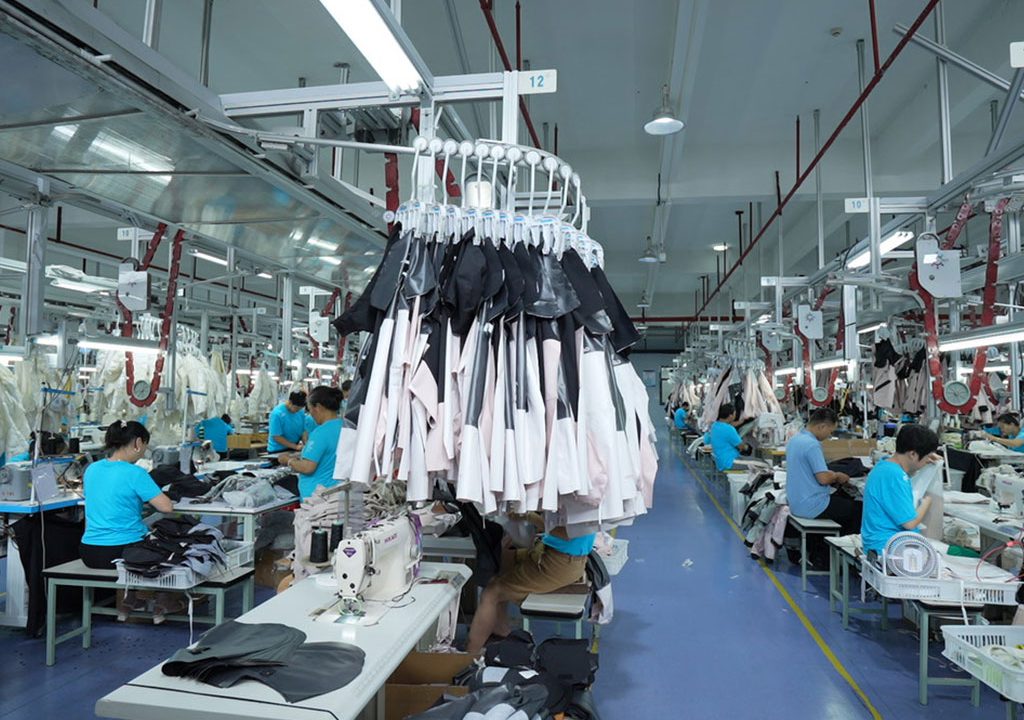
2. Confirm Sustainability Proof: Certifications and Chemical Management
High-quality outdoor apparel today also means eco-friendly and ethically produced. Key considerations: Eco-Friendly Materials: Access to recycled fabrics (GRS) and PFC-free DWR treatments. Compliance: Look for certifications like OEKO-TEX, bluesign®, or BSCI to ensure environmental safety and fair labor practices.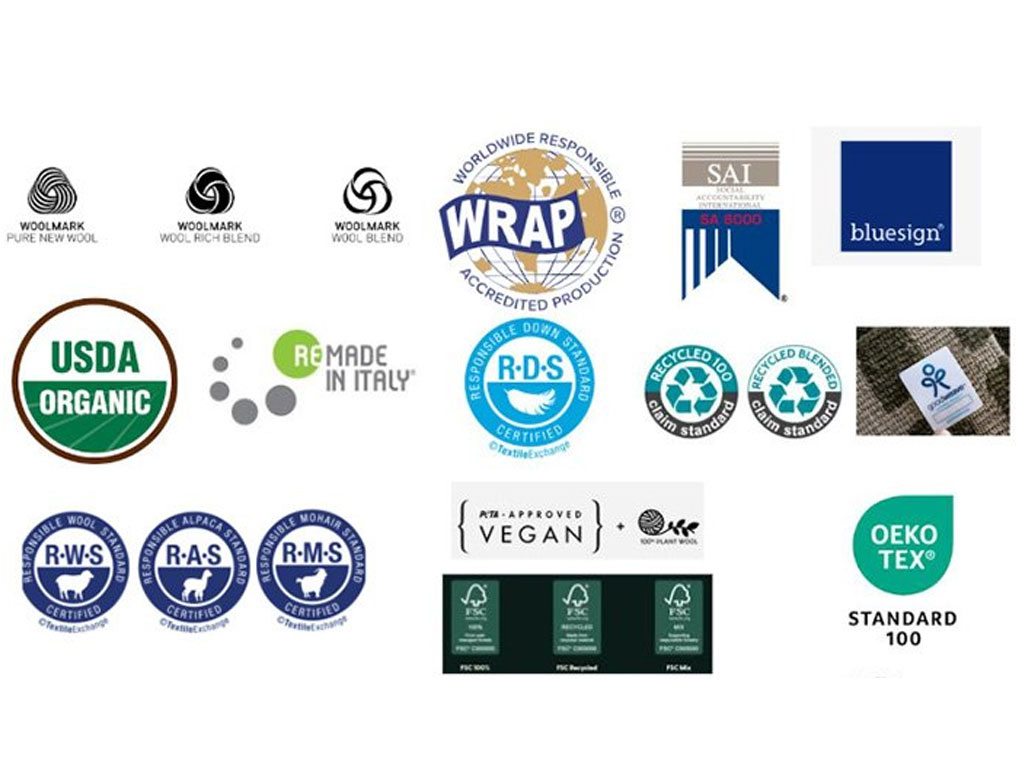
3. Match MOQ and Lead Time to Your Launch Plan
Your manufacturer should grow with your brand: MOQs (Minimum Order Quantities): Balance startup needs with industrial-grade machinery capability. Typical MOQs: 500–1,000 pieces per style/color. Lead Times: Ensure realistic timelines, especially during peak seasons,MOQ and lead time vary by complexity, fabric availability, and seasonality—confirm by style and BOM Technology: Look for 3D sampling and advanced stitching technology for consistent mass production.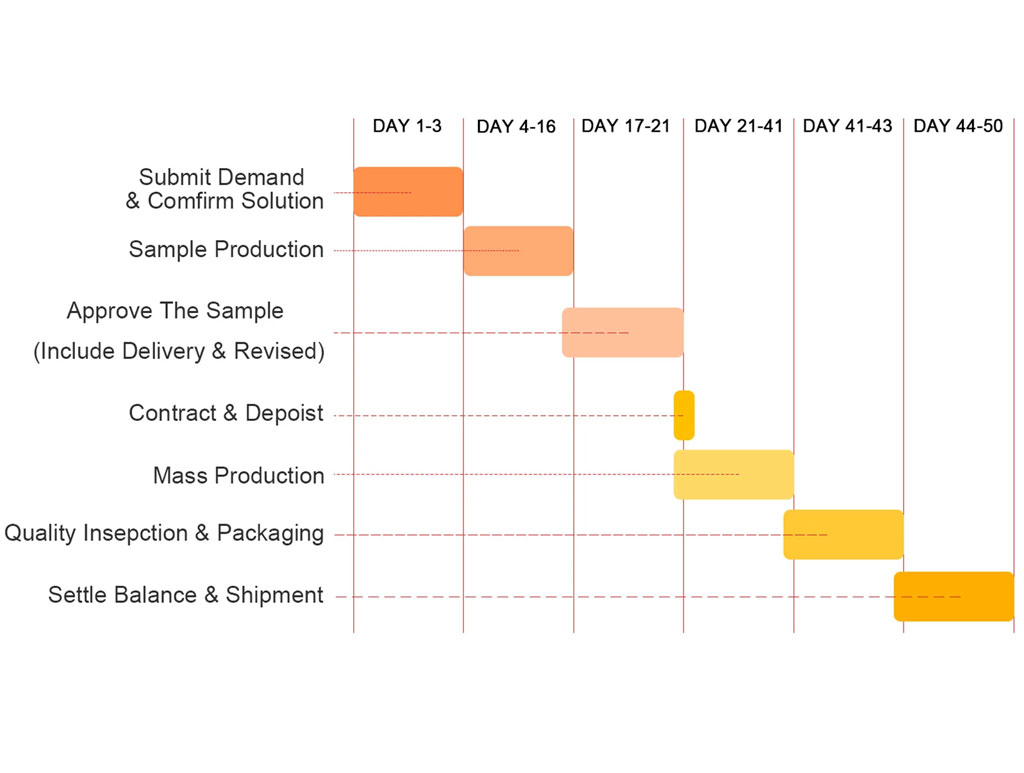
4. Build QC Checkpoints: Fabric Tests + In-Line Inspections
Outdoor gear must withstand harsh environments: Lab Testing: Hydrostatic head (waterproofing), MVTR (breathability), and abrasion resistance. In-Line Inspections: Continuous checks during production, not just at the end.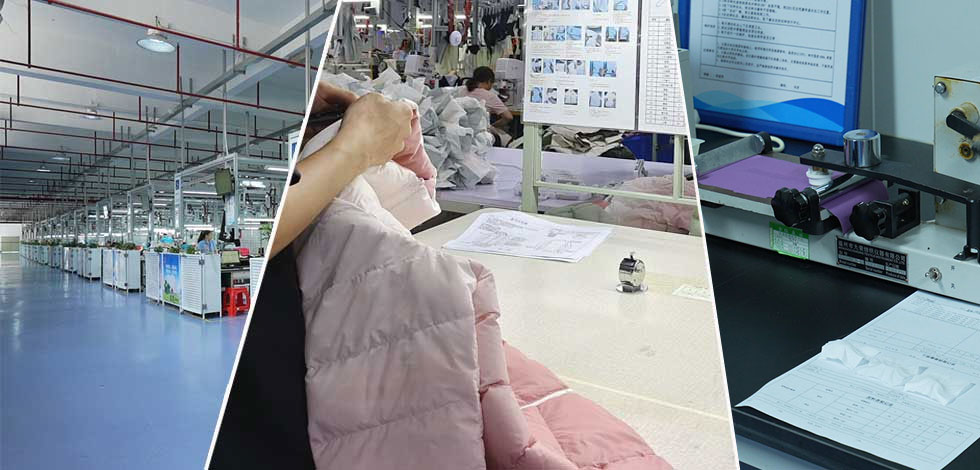
5. Reduce Risk with Prototyping, PPS, and Design Support
The path from concept to rack requires collaboration:- Rapid Prototyping: Test fit and function before mass production.
- Customization: Handle custom zippers, pulls, heat-transfer logos, and Pantone color matching.
6. Set Communication Rules to Prevent Costly Errors
Clear communication prevents technical errors: Proactive Problem Solving: Suggest viable alternatives instead of just reporting shortages. Dedicated Account Manager: Ensure timely updates across time zones.
Conclusion
Choosing the right outdoor apparel manufacturer is a strategic investment. Focus on technical skill, sustainability, and communication to build a long-term partnership that protects your brand and delights customers.FAQ: Outdoor Apparel Manufacturing (MOQ, Testing, Sampling, Certifications)
1.What is the typical MOQ for technical outdoor jackets?
Generally 500–1,000 pieces per style/color. MOQ and lead time vary by complexity, fabric availability, and seasonality—confirm by style and BOM.2.How can I verify waterproofing claims?
Request ISO or ASTM test reports for specific fabric batches.3.How long does sampling take?
Standard “Proto” samples take 2–4 weeks; custom-dyed or specialized trims can extend to 6+ weeks.4.Why is a Pre-Production Sample necessary?
The PPS is the final version using exact fabrics and trims; it becomes the “Gold Standard” for mass production.5.What certifications should I look for in an outdoor apparel manufacturer?
Look for OEKO-TEX, bluesign®, GRS, and BSCI certifications. These indicate safe materials, responsible labor practices, and environmental compliance.6.How to assess a factory’s sustainability practices?
Check for eco-friendly fabrics, PFC-free DWR treatments, energy-efficient production, and documented labor practices. Ask for reports or case studies that demonstrate compliance.7.What documents should an OEM provide before bulk production?
OEMs should provide tech pack/spec sheets, approved samples (Proto, Fit, PPS), material certifications, production schedule, and quality/inspection plan. These confirm that bulk production meets agreed standards.8.What’s the difference between Proto, Fit sample, and PPS?
- Proto (Prototype): First sample showing basic design and construction; may not be final materials.
- Fit sample: Sample made to check sizing and fit on the intended model/size chart.
- PPS (Pre-Production Sample): Final sample before mass production, using approved materials and construction; represents exactly what the bulk order will be.
Written by the Simmerui Technical Outerwear Team. We support B2B brands with material selection, sample development, and production-ready QC workflows for waterproof and breathable outdoor apparel. Our process typically includes fabric performance testing (hydrostatic head, MVTR, abrasion), PPS confirmation with approved trims and color standards, and in-line inspections to reduce defects and ensure consistent reorders across seasons.