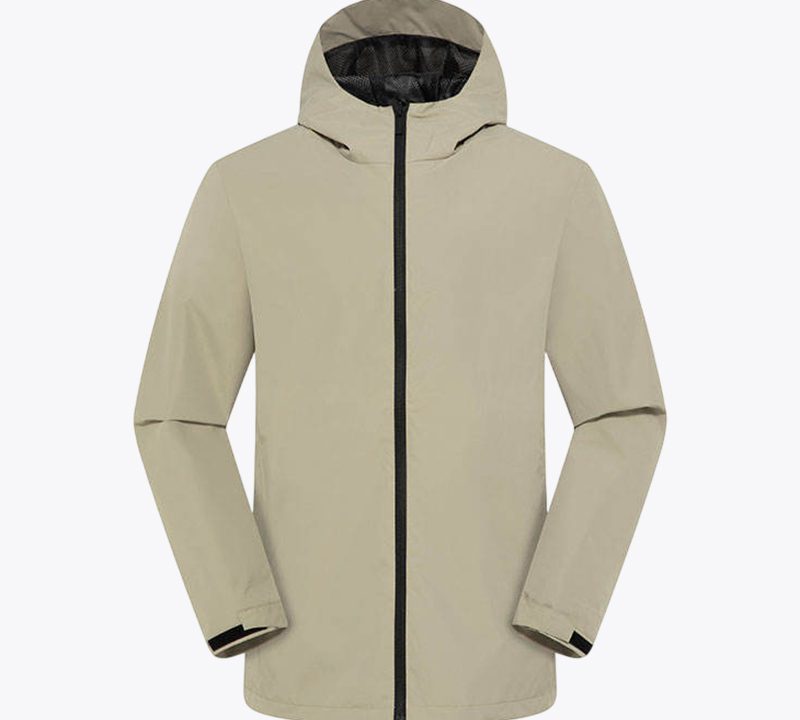
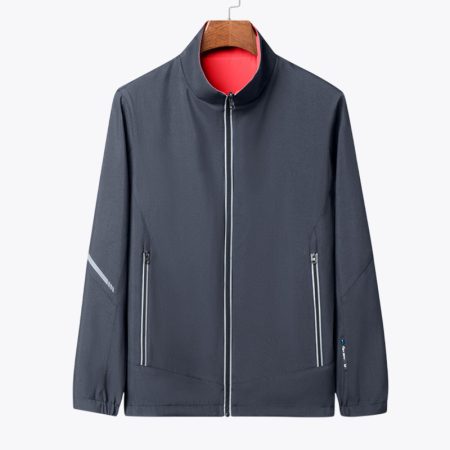
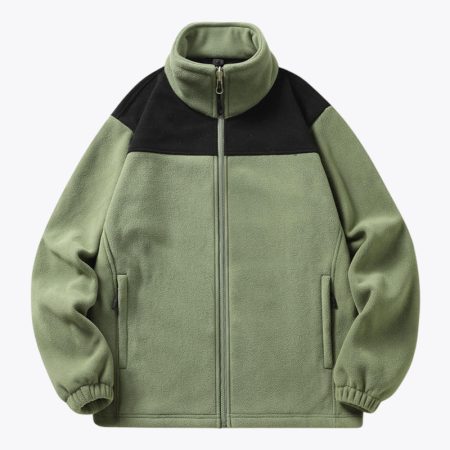
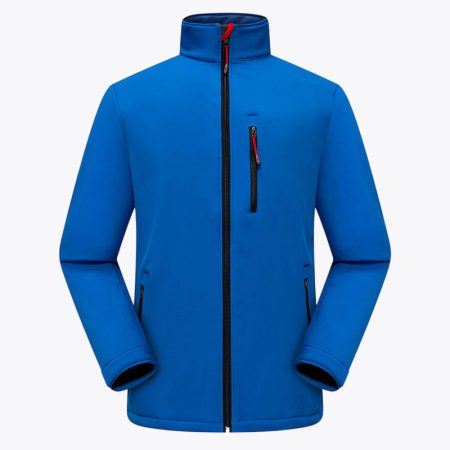
1. Understand the Purpose: What Will You Use It For?
At Simmerui,The first question to ask is: What activities will I be doing?
High-Output Activities (like trail running or fast hiking): Prioritize lightweight, highly breathable softshells with stretch.
General Outdoor Use (like hiking or climbing): Look for a balanced blend of weather resistance, durability, and breathability.
Casual/Cold Weather Use: Focus on warmer, insulated softshells with a cozy interior.
2. Key Features to Evaluate
A. Weather Resistance & Breathability
This is the core softshell trade-off. Softshells are not fully waterproof like hardshells, but they handle light rain and snow well.
Water Resistance: Look for a DWR (Durable Water Repellent) coating. Check the fabric weight (e.g., 90-100gsm is lighter; 200gsm+ is more robust).
Wind Resistance: Many have a windproof membrane or tightly woven fabric.
Breathability: This is where softshells shine. More breathable fabrics (often with mechanical stretch) move sweat vapor away, keeping you dry during activity.
B. Fabric & Construction
Stretch Woven: Offers great mobility and breathability (ideal for climbing).
Fleece-Backed: Adds warmth and comfort but may reduce breathability slightly.
Insulated: Has synthetic insulation (like PrimaLoft) for colder conditions.
Seam Taping: Some have critical seams taped for increased water resistance.
C. Fit & Mobility
Active Fit: Slightly snug to allow layering and free movement.
Regular Fit: Looser, often for casual use or over bulkier layers.
Features: Look for articulated elbows, gusseted underarms, and a longer back hem for coverage.
D. Hood Design
Helmet-Compatible: Essential for climbers or ski tourers.
Adjustable: A cinchable hood improves fit in wind.
No Hood: Some prefer a collar for simplicity and layering versatility.
E. Pockets & Ventilation
Pockets: Chest pockets (zippered are best for security), hand pockets, and internal pockets. Consider their placement with a backpack hip belt.
Venting: Underarm zips (pit zips) are a bonus for high-exertion activities.
F. Weight & Packability
Lightweight (250-400g): For fast and light pursuits.
Midweight (400-600g): The versatile all-rounder.
Heavyweight (600g+): For colder weather and less intense activity.
Conclusion & Quick Checklist
Before you buy, run through this list:
Primary Use: Match the jacket to your main activity.
Weather Protection: Enough water/wind resistance for your typical conditions.
Breathability: Sufficient for your activity level.
Fit: Allows movement and intended layering.
Hood: Do you need one? Is it adjustable?
Pockets: Are they usefully placed and secure?
Weight: Appropriate for your packability needs.
Durability: Fabric weight and construction suit the terrain.