
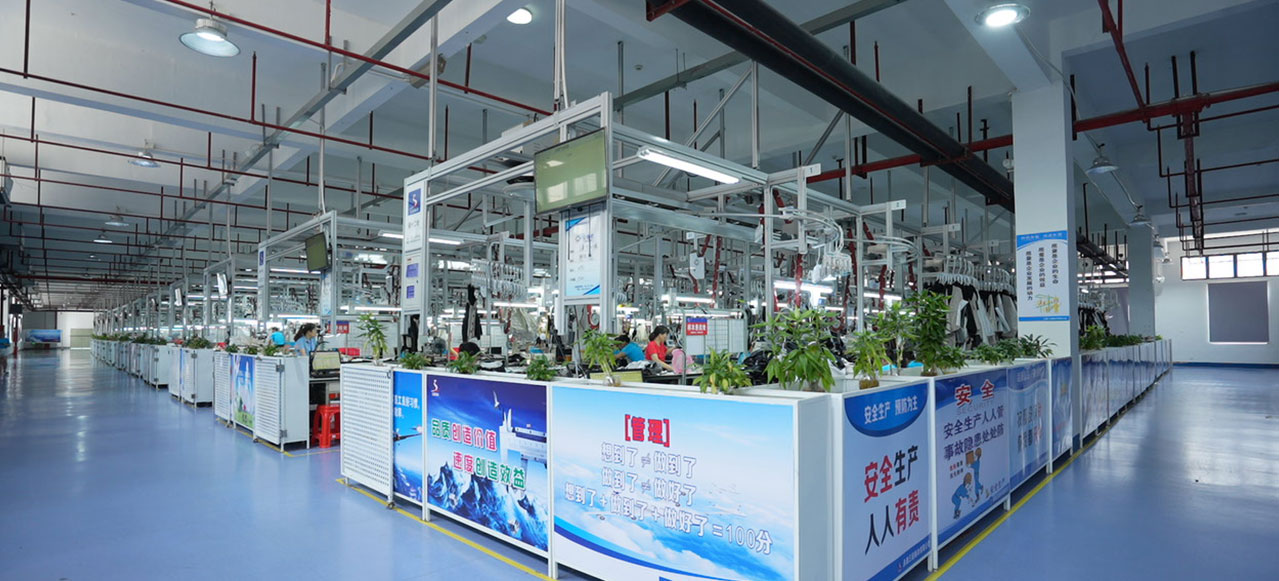
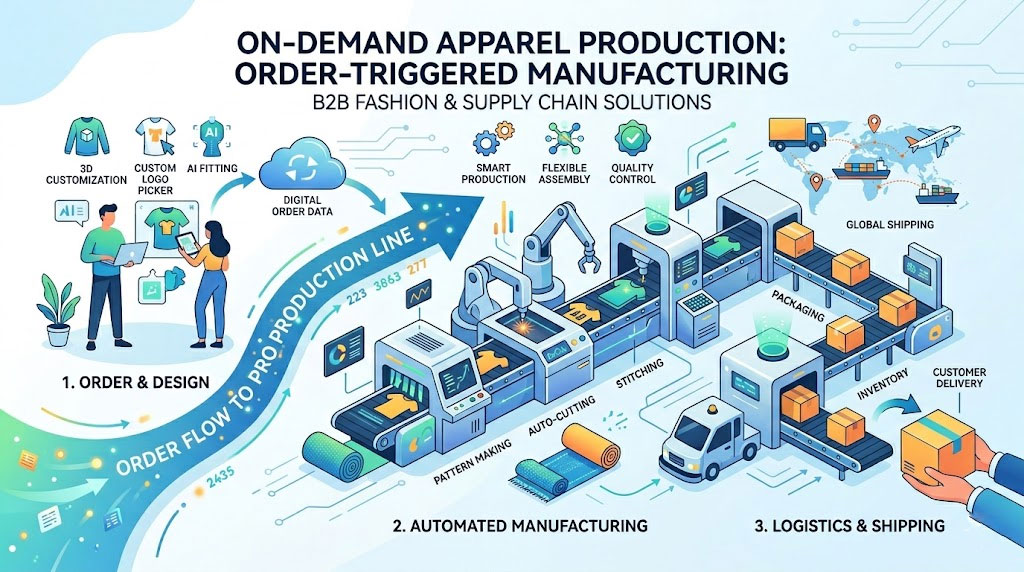
On-demand (made-to-order) manufacturing produces apparel only after an order is confirmed, helping B2B fashion brands reduce overstock, cut inventory costs, and respond faster to trends. It also enables deeper customization across fabrics, sizing, and branding while supporting sustainability goals by minimizing waste. This guide explains how on-demand production works, the key benefits for brands and retailers, common operational challenges (lead time, technology, QC, coordination), and practical mitigation steps to scale reliably with consistent quality.
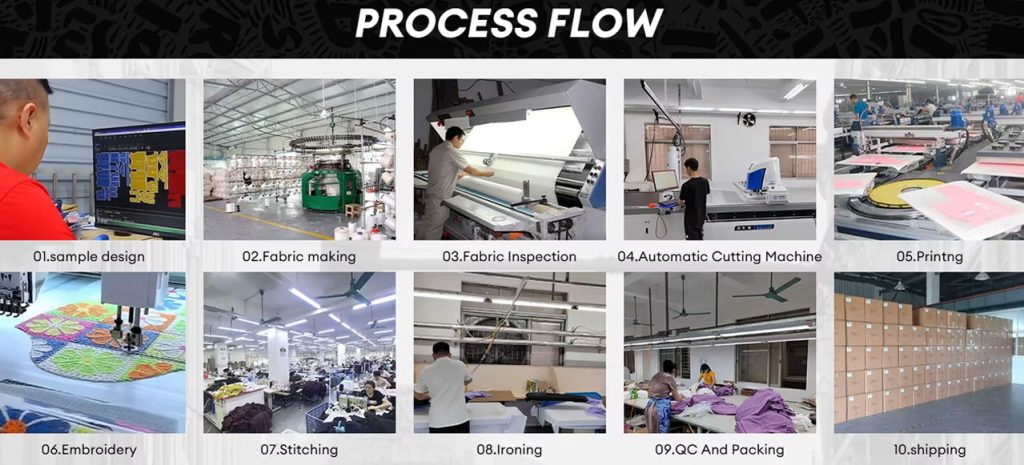
Define On-Demand Production and When It Makes Sense for B2B
On-demand manufacturing means creating garments only after a client confirms an order. For B2B brands, this method brings multiple advantages:- No Overstock – Produce exactly what is needed, avoiding unsold inventory.
- Full Customization – Personalize fabrics, colors, sizes, and branding. our custom jacket manufacturing options
- Agility – Quickly adapt to seasonal trends and market demands.
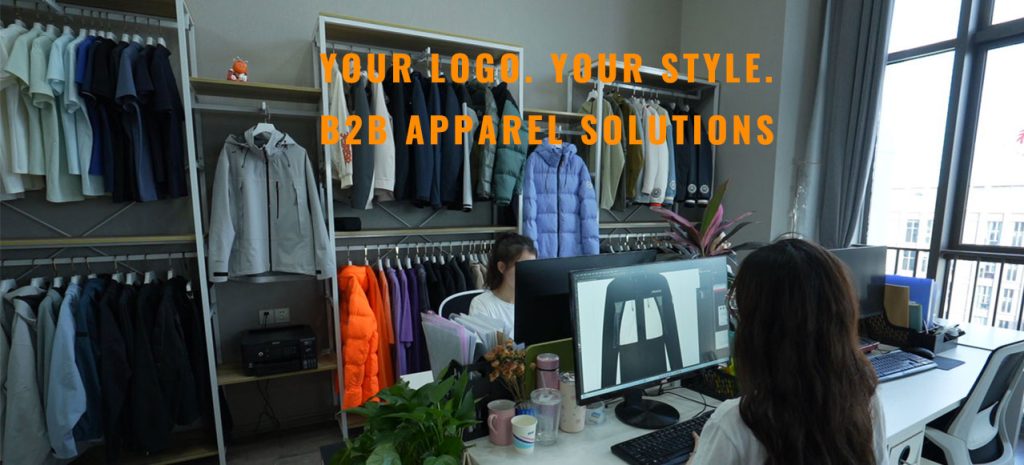
Reduce Inventory Risk and Improve Sell-Through with On-Demand for B2B Suppliers and Retailers
On-demand manufacturing provides strategic benefits for both suppliers and retailers:- Lower Costs & Reduced Waste Producing only what is ordered eliminates overstock, reduces storage costs, and minimizes markdown losses, significantly lowering overall expenses.
- Faster Trend Response B2B brands can launch new styles quickly to meet seasonal or trend-driven demand, maintaining a competitive edge in a fast-moving market.
- Eco-Friendly & Sustainable Fewer unsold garments mean less environmental impact. By offering sustainable manufacturing solutions, your brand appeals to eco-conscious clients. sustainable fabric sourcing for B2B programs
- Enhanced Customization From fabrics to sizing and branding, full customization options improve client satisfaction and foster repeat business.
Use Case | Best Model | Why | Recommended MOQ / Lead Time |
| New style validation | On-demand | Quickly test market response without holding large inventory | 50–200 pcs / 1–2 weeks |
| Corporate uniforms with stable reorder | Hybrid | Stable demand allows for baseline stock while remaining flexible for reorders | 200–500 pcs / 2–4 weeks |
| Seasonal trend drops | On-demand / Small batch | Trend-driven items change fast; avoids unsold stock | 100–300 pcs / 1–3 weeks |
| Core best-sellers | Mass production | High-volume stable sellers; cost efficiency through scale | 500–2000+ pcs / 4–8 weeks |
| Limited edition collaborations | Small batch | Creative or co-branded items emphasize scarcity | 50–150 pcs / 2–4 weeks |
| Quick response to sudden demand | On-demand | Fast turnaround for unexpected hits or replenishments | 50–200 pcs / 1–2 weeks |
| Entry-level testing for new markets | Small batch | High uncertainty in new markets; flexible testing | 100–300 pcs / 2–4 weeks |
| Holiday / event-specific items | On-demand / Small batch | Strong seasonality; minimizes risk of leftover stock | 100–500 pcs / 1–3 weeks |
Solve Lead Time, QC, and Coordination Issues Before Scaling & How to Mitigate Them
Despite its benefits, on-demand manufacturing presents some operational challenges:Challenge | Mitigation Strategy |
| Longer production lead time | Streamline workflows, optimize supply chain, and leverage digital tracking. |
| Investment in technology | Integrate scalable ERP and automation solutions gradually. |
| Quality control | Standardize processes, perform regular inspections, and maintain supplier guidelines. our quality control process for bulk and small-batch orders |
| Supplier coordination | Develop long-term partnerships and use collaborative platforms for order tracking. |
FAQ
1.How long does it take to produce on-demand apparel?
Standard orders typically complete within 2–4 weeks. Highly customized items may require slightly longer, but streamlined workflows and digital tracking can reduce lead times.2.Can we order small quantities for testing?
Absolutely. On-demand production is ideal for small-batch orders, allowing brands to test new styles or collections without large upfront inventory.3.How does on-demand manufacturing reduce costs?
Producing only what is ordered prevents unsold stock, lowers storage expenses, and reduces markdown losses, decreasing overall production costs.4.Can fabrics, colors, and sizes be customized?
Yes. Our system allows full customization, giving B2B clients the flexibility to design garments that meet their exact specifications.5.Is on-demand manufacturing sustainable?
Definitely. Producing only what’s needed reduces waste and overproduction, aligning with eco-friendly business practices.6.What’s the minimum order quantity (MOQ) for on-demand B2B production?
MOQ starts from small batches, typically 50–100 pcs per style, depending on fabric and customization.7.How do you ensure consistent sizing and color across multiple small batches?
Ensuring consistent sizing and color across small batches:- Color: Lab dips → Approval → Batch dye records
- Sizing: Size specs → Fit samples → Approval sample → Production check
- Tracking: Maintain batch records for every run to ensure repeatability
Build a Scalable On-Demand Model for B2B Growth of B2B
Fashion Adopting on-demand manufacturing empowers B2B fashion businesses to:- Reduce inventory costs and waste
- Respond rapidly to market trends
- Offer personalized, high-quality products
- Support sustainable practices
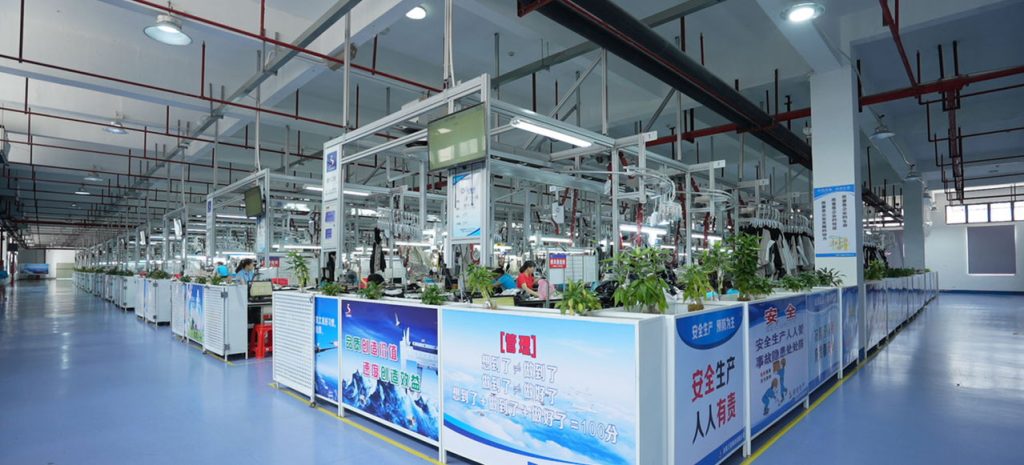
Written by the Simmerui Production Team. We support B2B apparel brands with on-demand and small-batch manufacturing, flexible customization, and repeatable QC workflows to help reduce inventory risk while maintaining stable delivery and production consistency.