
E-textile integration combines conductive materials, sensors, and lightweight electronics to add measurable functions to garments—such as thermal regulation, safety monitoring, and performance tracking. For B2B fashion brands, smart clothing can create differentiated product lines, new service revenue, and data-backed customer insights.
This guide outlines practical adoption pillars, common B2B use cases in workwear and healthcare, and key considerations for value engineering, durability testing, and compliance (privacy, safety, and relevant standards) before scaling to bulk production.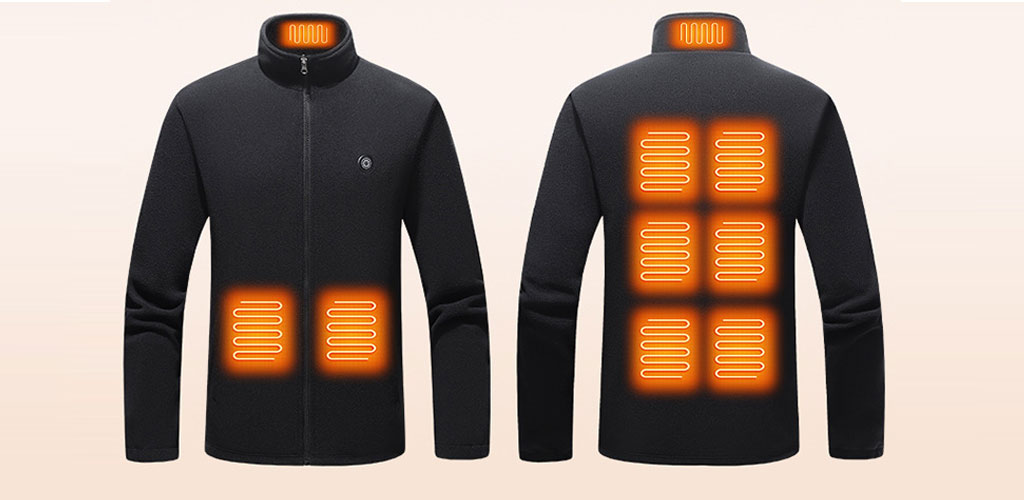
Define Smart Textiles and Choose the Right Integration Level
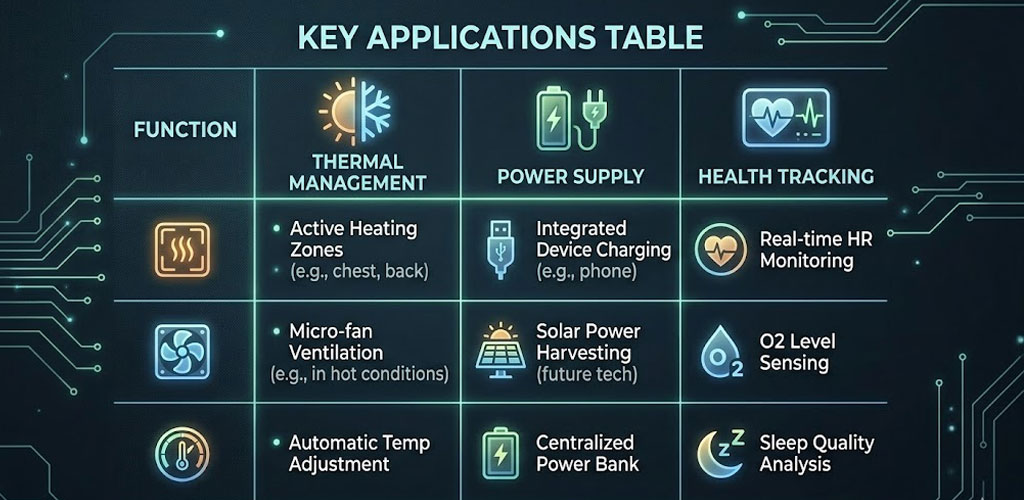
Smart textiles (E-textiles) are fabrics embedded with sensors, conductive fibers, or microcontrollers, enabling garments to interact with the wearer or environment. Wearable technology integrates these functionalities into apparel, accessories, or connected devices, delivering value beyond traditional aesthetics. Key Applications:Function | Description |
Thermal Management | Moisture-wicking fabrics that regulate body temperature |
Power Integration | Smart jackets capable of charging mobile devices |
Performance Tracking | Smart workwear that monitors activity levels or vital health metrics |
Build New Revenue and Differentiation with Smart Apparel for B2B Fashion Brands
Smart apparel is not just technology—it’s a business growth driver.- Product Differentiation & Market Leadership Collaborate with tech partners or develop proprietary solutions to position your brand as an industry innovator.
- Multiple Revenue Streams
- Technology Licensing: License your E-textile IP to other brands
- Strategic Collaborations: Launch limited-edition smart collections
- Corporate Customization: Provide tailored smart uniforms for high-end corporate clients
- Data-Driven Customer Insights Wearable data helps optimize product design, inventory management, and personalized solutions, strengthening customer loyalty.
- Sustainability & Operational Efficiency Smart textiles extend garment lifecycle and reduce energy consumption, helping companies meet sustainability goals.
Use case | Required components | Data output | Buyer value | Production risk |
Industrial safety fatigue monitoring | Wearable sensors (accelerometer, gyroscope), heart rate sensor, vibration sensors | Fatigue levels, posture alerts, activity logs | Reduce workplace accidents, improve worker productivity and safety | Sensor calibration, durability under harsh conditions |
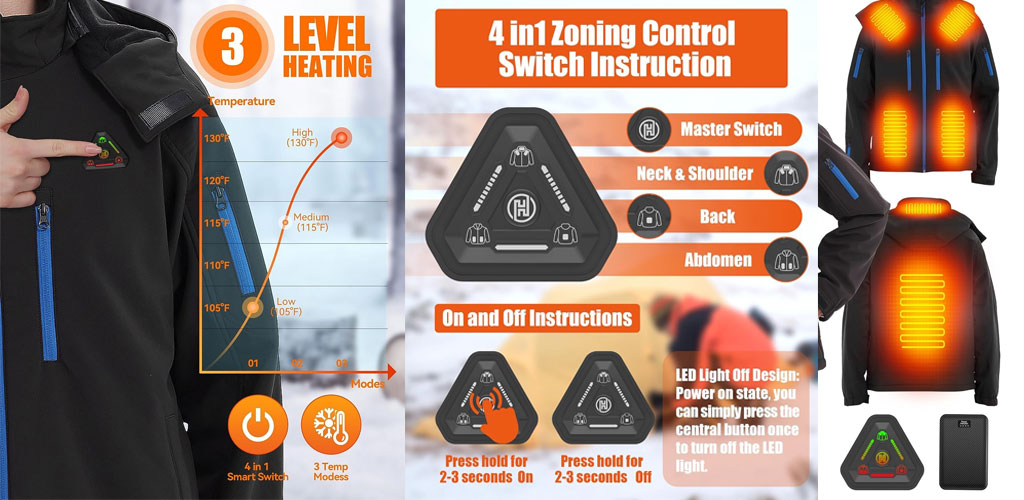
Thermal regulation heating panel / PCM | Conductive heating fibers, phase change material (PCM) layers, temperature sensors, battery pack | Garment temperature, energy usage, thermal comfort index | Enhanced user comfort, extended outdoor activity duration | Battery life, thermal material consistency, washability |
Healthcare vitals tracking | Heart rate monitor, SpO₂ sensor, skin temperature sensor, accelerometer | Heart rate trends, blood oxygen levels, sleep quality, activity data | Remote health monitoring, early detection of anomalies, wellness tracking | Data accuracy, sensor placement reliability, regulatory compliance |
Corporate uniform access/ID integration | RFID/NFC module, smart card interface, garment microcontroller | Access logs, user ID verification, security alerts | Streamlined security access, integration with HR systems, brand consistency | EMI interference, security vulnerabilities, integration complexity |
Outdoor adventure GPS & navigation | GPS module, magnetometer, barometer, Bluetooth/Wi-Fi connectivity | Location, altitude, route tracking, waypoint alerts | Safer outdoor navigation, enhanced user experience | Signal loss in remote areas, battery consumption, ruggedization of components |
Environmental hazard detection | Gas sensors (CO, VOCs), temperature & humidity sensors, vibration sensor | Hazard alerts, environmental condition logs | Worker safety, regulatory compliance, risk mitigation | Sensor sensitivity drift, false positives, integration into wearable design |
Performance sports monitoring | Motion sensors (IMU), heart rate strap, sweat sensors, microcontroller | Speed, acceleration, heart rate variability, hydration level | Optimize training, prevent injuries, performance analytics | Sensor accuracy under movement, sweat/moisture resistance, data latency |
Select High-ROI B2B Use Cases: Workwear and Healthcare
Beyond fashion, smart apparel provides practical value:- Industrial Safety: Monitor worker fatigue to reduce workplace accidents
- Healthcare: Track patient vitals in real-time
- Enhanced Employee Experience: Offer connected corporate uniforms to improve comfort and efficiency
Adopt Smart Apparel Successfully: Testing, Cost, Compliance, Education for Successful Smart Apparel Adoption
-
- Technical Expertise: Ensure reliable performance through collaboration with experienced partners
- Value Engineering: Balance the premium cost of smart apparel with measurable benefits
- Regulatory Compliance: Adhere to data privacy, health, and safety regulations (e.g., GDPR, ISO standards)
- Customer Education: Provide clear usage guidance to facilitate adoption wearable testing and durability validation
FAQ:
1.What’s the difference between smart textiles and wearables in apparel?
Smart textiles embed sensing, heating, or connectivity directly into the fabric, while wearables are separate devices (like watches or bands) attached to the garment. Smart textiles aim for seamless integration, wearables are modular.2.How do you test washability and durability for e-textiles at scale?
Use standardized wash cycles (ISO 6330/IEC 60456) with repeated mechanical stress, plus abrasion, stretch, and bend tests. Automated lab rigs and batch sampling help scale the process.3.What are the most common failures in e-textile integration (and how to prevent them)?
Failures: broken conductive traces, sensor detachment, battery leaks, water ingress. Prevention: encapsulate electronics, flexible interconnects, rigorous mechanical testing, robust stitching and seam sealing.4.Which compliance areas matter most: privacy, electrical safety, or skin contact?
All matter, but priority depends on use:- Health/biometric data → privacy/GDPR
- Powered garments → electrical safety (IEC 60335, UL standards)
- Direct skin contact → biocompatibility, hypoallergenic testing
5.What should brands prepare before starting an OEM smart apparel project?
Clear product specs, target ROI, desired sensors/features, user scenarios, compliance requirements, production volume forecasts, and a realistic timeline for prototyping and validation.6.How do you balance BOM cost with measurable ROI for corporate buyers?
Focus on sensors/features that directly deliver measurable value (safety alerts, productivity metrics, health monitoring). Avoid “cool but unused” features; negotiate component cost vs. long-term benefit metrics.Partner with the Experts in Smart Apparel
The future of B2B fashion belongs to brands that combine innovative textiles with compelling design. Our team typically validates smart garment performance through functional checks, wash-cycle durability testing, and integration reviews for connectors, conductive paths, and comfort. We also support documentation workflows for supplier traceability and compliance alignment (privacy and safety requirements) before bulk production, helping B2B programs scale with stable quality and repeatable reorders.Take Action Today:
Written by the Simmerui Textile Innovation Team. We support B2B apparel brands with e-textile integration, wearable functionality validation, and production-ready performance testing for safety, durability, and data privacy requirements