
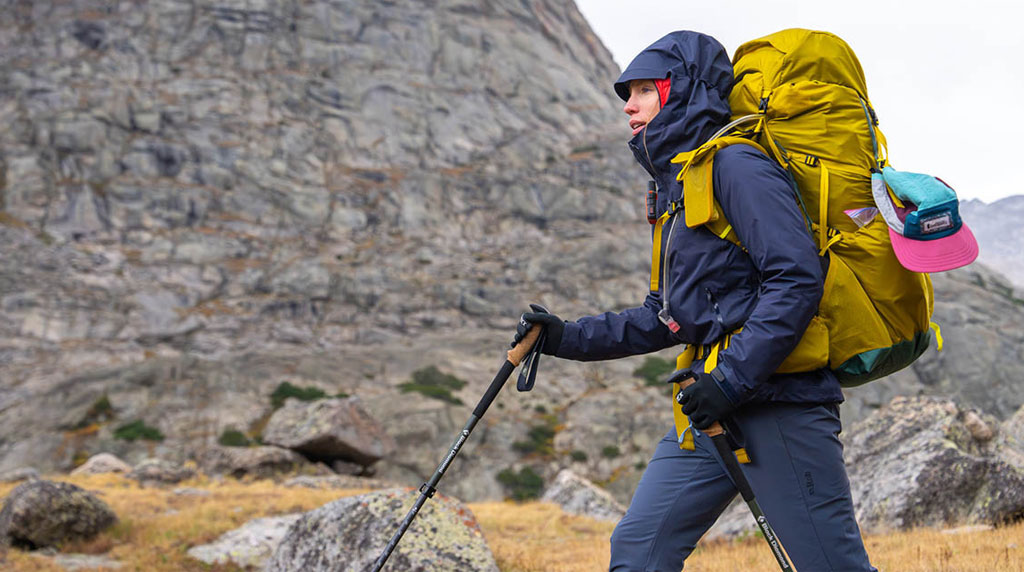
Fabric testing is critical for B2B outdoor apparel brands to ensure hiking and mountaineering garments meet performance, durability, and comfort standards. This guide covers essential tests—including water resistance, breathability, abrasion, thermal insulation, and stretch/recovery—to help brands select reliable fabrics, reduce returns, and maintain customer satisfaction.
Pre-production testing also verifies compliance with eco-friendly and regional regulatory standards, enabling OEM manufacturers and B2B buyers to confidently scale technical outdoor apparel production.Verify Waterproof Fabrics to Keep Hikers Dry to Prevent Discomfort
Waterproofing is a top priority for hiking and mountaineering gear. Fabrics undergo hydrostatic pressure testing to determine their ability to resist rain and snow. Proper testing ensures garments keep users dry in wet conditions, enhancing both safety and comfort.Key Details:
- Testing Method: Hydrostatic head test (e.g., 5,000 mm H₂O for standard waterproof jackets).
- Application: Hardshell jackets, rain shells, and mountaineering pants.
- B2B Value: Ensures consistency across production batches and reduces returns from end clients.

Ensure Comfort and Sweat Management to Enhance Comfort
Breathable fabrics allow sweat to escape while keeping rain out. Moisture Vapor Transmission Rate (MVTR) tests measure how efficiently a fabric releases moisture. Proper testing ensures hikers remain dry internally, minimizing chafing and overheating during intense activity.Key Details:
- Testing Method: MVTR test (g/m²/24h) using upright cup or sweating guarded hotplate methods.
- Application: Softshell jackets, trekking pants, and base layers.
- B2B Value: Helps brands choose fabrics suitable for different activity levels and climates.

Extend Garment Lifespan to Extend Lifespan
Outdoor apparel experiences constant friction from backpacks, rocks, and rough terrain. Abrasion tests, such as Martindale or Taber methods, assess fabric durability under repeated wear.Key Details:
- Testing Method:
- Martindale: Measures cycles until fabric shows wear.
- Taber: Assesses abrasion under rotating wheels.
- Application: Pants, jackets, and reinforced panels.
- B2B Value: Guarantees longevity and reduces replacement costs for clients.
Maintain Warmth in Extreme Conditions to Maintain Warmth
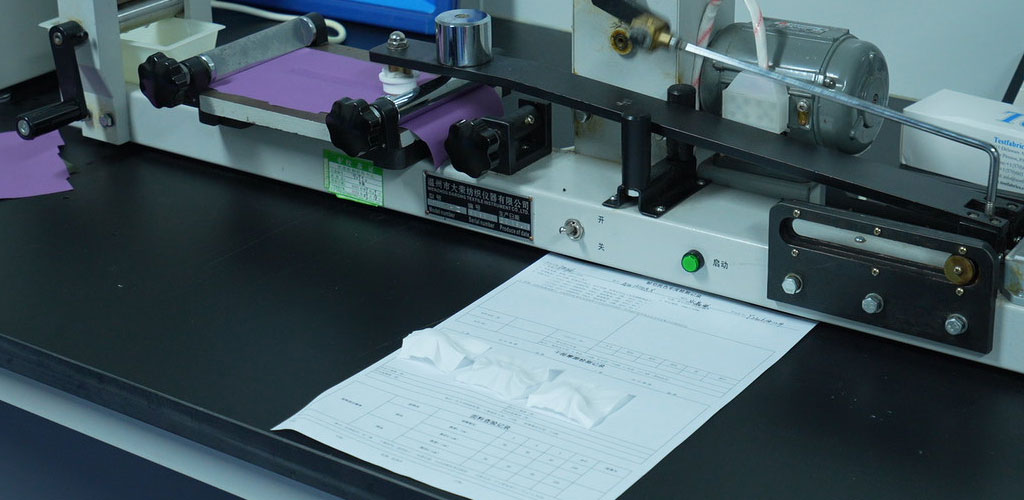
Temperature regulation is vital for high-altitude adventures. Thermal insulation tests, including clo value measurements, evaluate how effectively fabrics trap heat without excessive bulk.Key Details:
- Testing Method: Sweating thermal manikin or guarded hotplate tests.
- Application: Winter mountaineering jackets, insulated layers.
- B2B Value: Ensures fabrics meet seasonal requirements for end users.
Guarantee Mobility and Fit to Improve Mobility
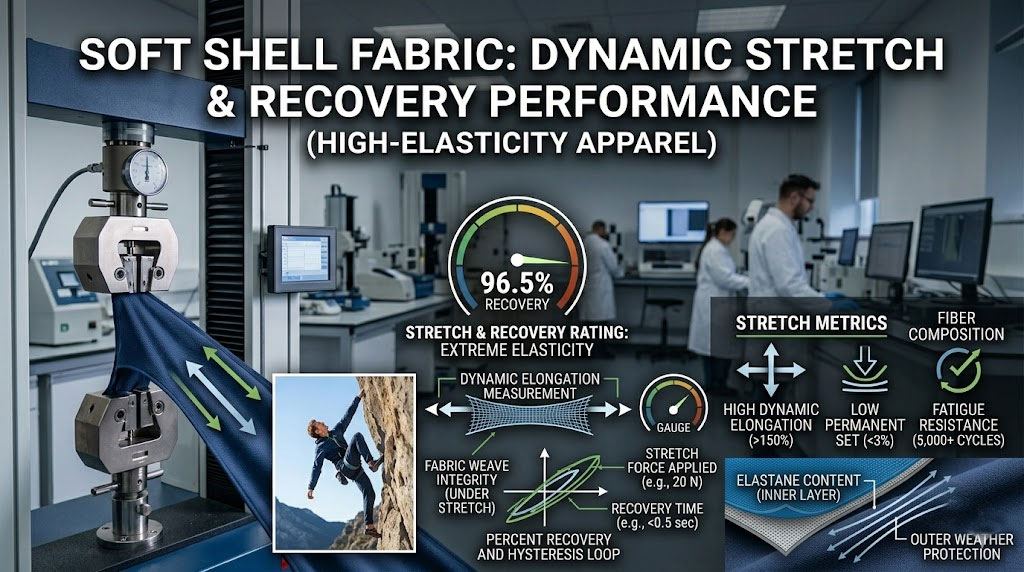
Outdoor garments must allow freedom of movement for climbing, trekking, and scrambling. Stretch and recovery tests evaluate fabric elasticity and ability to return to original shape after stretching. Key Details:- Testing Method: ASTM D2594 or ISO 13934-1 for elongation and recovery.
- Application: Active outerwear, softshell, and performance layers.
- B2B Value: Guarantees comfort and prevents sagging, maintaining garment aesthetics over time.
Validate Eco-Friendly and Regulatory Standards
Modern outdoor brands increasingly require fabrics that meet eco-conscious standards. Tests include recycled fiber content, chemical safety (e.g., Oeko-Tex), and durability assessments. Compliance varies by region, including EU REACH and US CPSIA standards. B2B Insight: Pre-production testing ensures sustainable fabrics meet both client specifications and regulatory requirements.Test | Method | Application | B2B Value | Notes |
Water Resistance | Hydrostatic head | Hardshell jackets, pants | Reduce returns, ensure consistency | 5k–10k mm H₂O typical |
Breathability | MVTR (cup / guarded hotplate) | Softshell, base layers | Comfort, prevents chafing | Adjust for activity level |
Abrasion | Martindale / Taber | Pants, reinforced panels | Longevity, reduces replacement cost | Specify cycles to failure |
Thermal Insulation | Clo / manikin | Winter jackets, insulated layers | Seasonal compliance | Use sweating manikin for realism |
Stretch / Recovery | ASTM D2594 / ISO 13934-1 | Active outerwear | Comfort, maintain aesthetics | Test repeated cycles |
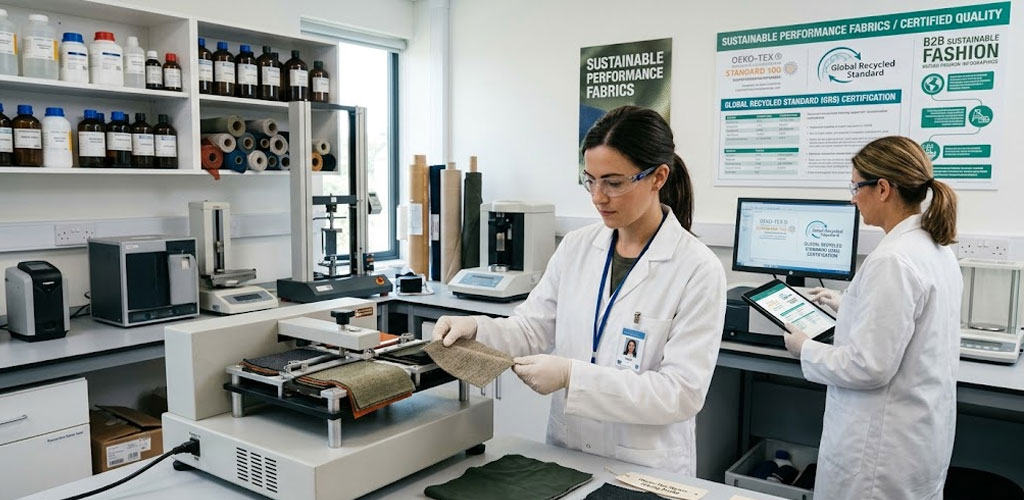
FAQ: Fabric Testing for B2B Outdoor Apparel
1.What is the most critical test for mountaineering jackets?
Water resistance and thermal insulation are typically prioritized, as they directly impact safety and comfort in extreme conditions.2.How often should new fabric batches be tested?
Core tests—water resistance, breathability, abrasion—should be conducted on every batch. Thermal insulation and other specialized tests are recommended seasonally or with composition changes.3.Can custom fabrics be tested before production?
Yes, pre-production testing ensures your specifications meet performance standards, helping B2B clients minimize risk.4.Do test results affect production cost and lead time?
Testing may slightly increase lead time and upfront cost, but it reduces returns and enhances brand reputation.5.How do moisture management tests differ for softshell vs. hardshell fabrics?
Softshell prioritizes breathability with moderate water resistance, while hardshell focuses on maximum waterproofing, with testing adjusted accordingly.6.How do waterproof and softshell fabrics differ in MVTR and hydrostatic testing?
Waterproof vs Softshell Fabrics: Waterproof fabrics typically have high hydrostatic resistance (e.g., ≥5,000 mm H₂O) and lower MVTR (breathability), whereas softshells have moderate hydrostatic resistance (often <3,000 mm H₂O) but higher MVTR for comfort.7.How often should OEMs re-test fabric batches for consistency?
Re-testing Fabric Batches: OEMs should re-test each new fabric batch or at least every production lot to ensure consistency, especially for critical properties like waterproofing, breathability, and tensile strength.Conclusion: Why Fabric Testing Matters for B2B Brands
Thorough fabric testing allows brands to deliver garments that meet client expectations for durability, comfort, and performance. By integrating water resistance, breathability, abrasion, thermal insulation, and stretch testing, B2B clients can confidently select fabrics that reduce returns, enhance customer satisfaction, and strengthen brand reputation.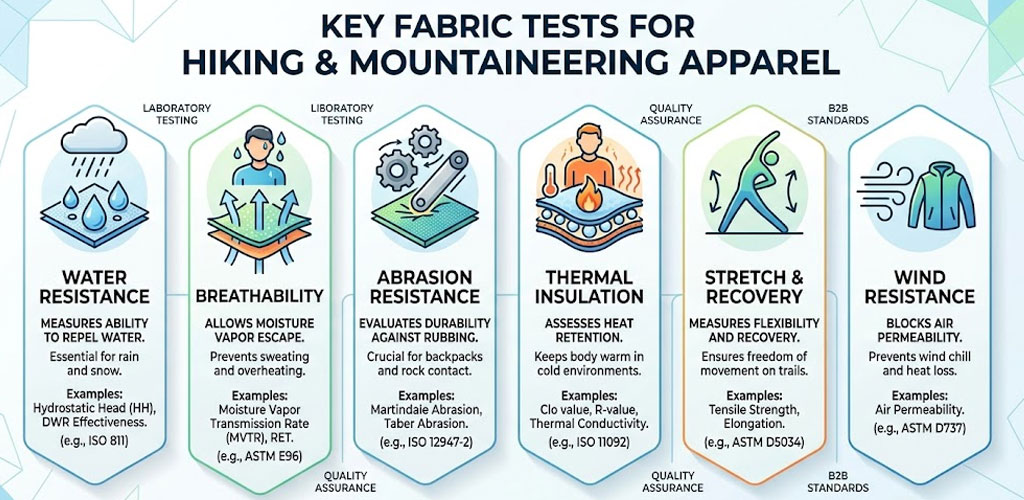
CTA
Request a pre-production testing consultation with our team to ensure your hiking or mountaineering fabrics meet the highest performance standards. Our team follows standardized procedures: fabric batch verification, hydrostatic and MVTR testing, abrasion cycles, thermal insulation checks, and stretch/recovery measurements. Each test is documented and compared against client specifications to ensure consistent quality across production batches. This workflow helps B2B brands and OEMs reduce returns and confidently deliver high-performance outdoor apparel.Written by the Simmerui Textile Testing Team. We provide standardized fabric testing services for B2B outdoor apparel brands, covering tensile, tear, abrasion, waterproof, and breathability performance. Our expertise helps OEM manufacturers select reliable materials, reduce returns, and deliver consistent, high-quality technical garments to global markets.