
Low MOQ custom apparel manufacturing allows startups and growing B2B brands to launch new clothing lines with minimal inventory risk and lower upfront costs. By producing 50–300 units per style, brands can validate market demand, refine designs, and scale efficiently. This guide explains the key benefits, common mistakes, manufacturer evaluation tips, and step-by-step workflow—from inquiry, sampling, PPS approval, bulk production, to shipment—helping emerging brands make informed sourcing decisions while maintaining quality and profitability.
| Stage | Buyer Provides | Factory Delivers | Approval / Checkpoint | Common Risk |
|---|---|---|---|---|
| Inquiry | Design concepts, qty | Feasibility, rough quote | Go/no-go | Missing info, unclear specs |
| Product Development | Tech pack, reference | Fabric/trim sourcing, construction plan | Review | Fabric minimums, trim delays |
| Sampling | Prototype feedback | Fit / PPS samples | PPS approval | Color/fabric issues, fit errors |
| Bulk Production | Approved PPS | Mass production | Inline + final QC | QC deviations, late production |
| Packaging & Shipment | Requirements | Packed & ready for export | Shipping docs | Label/packaging mistakes, shipment delay |
Launch Faster and Reduce Inventory Risk with Low MOQ
Launching a clothing brand is easier today than ever before. However, one challenge remains consistent across startups, independent designers, outdoor brands, and private-label businesses: managing inventory risk. Many new brands enter the market with exciting product ideas but limited budgets. Ordering large production quantities too early can tie up cash flow, increase storage costs, and leave businesses with unsold inventory. This is why low MOQ (Minimum Order Quantity) custom apparel manufacturing has become an increasingly popular solution for emerging brands. By producing smaller quantities, businesses can validate product demand, test market response, improve designs, and scale production based on actual sales data rather than assumptions. Whether you’re launching a fashion label, outdoor apparel brand, workwear collection, or promotional clothing line, low MOQ manufacturing can provide a practical path from concept to market.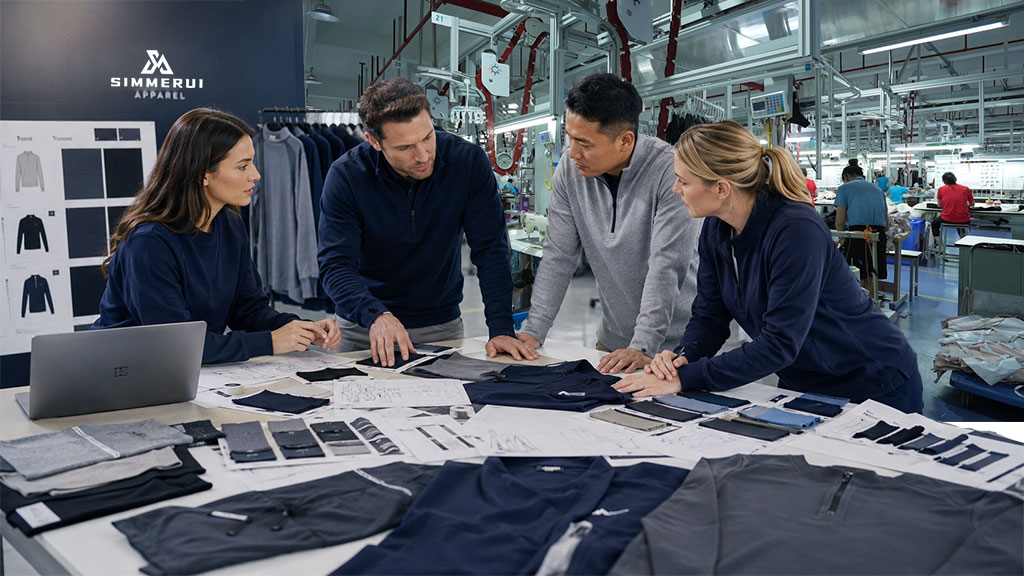
Preserve Cash Flow and Validate Market Demand
MOQ refers to the minimum quantity of garments a manufacturer requires for production. Traditional garment factories often prioritize large-volume orders, with MOQs ranging from several hundred to several thousand pieces per style. A low MOQ clothing manufacturer typically supports smaller production runs, allowing brands to order between 50 and 300 pieces per style depending on:- Fabric type
- Dyeing requirements
- Printing methods
- Embroidery complexity
- Number of colors
- Size breakdown
- Custom trims and labels
| Product Category | Typical MOQ |
|---|---|
| T-Shirts | 50–100 pcs |
| Polo Shirts | 50–100 pcs |
| Hoodies & Sweatshirts | 50–100 pcs |
| Jackets | 100–300 pcs |
| Activewear | 100–300 pcs |
| Outdoor Apparel | 100–300 pcs |
The actual MOQ varies according to material sourcing requirements and manufacturing processes.
Why Startups Choose Low MOQ Manufacturing
For emerging brands, flexibility is often more valuable than achieving the lowest possible unit cost. Small-batch production allows businesses to make smarter decisions while preserving cash flow. Key advantages include:Lower Initial Investment
Instead of committing to thousands of units, brands can launch products with manageable inventory levels. This reduces financial exposure and allows resources to be allocated toward:- Marketing
- Product development
- Photography
- E-commerce operations
- Customer acquisition
Faster Product Validation
No market research is more valuable than real customer purchases. Low MOQ production enables brands to test:- New designs
- Seasonal collections
- Limited editions
- New colorways
- New target audiences
Improved Cash Flow
Cash flow is often the biggest challenge for startups. Producing smaller quantities means:- Lower inventory costs
- Faster inventory turnover
- Less capital tied up in stock
- Greater flexibility for future collections
Reduced Inventory Risk
Overproduction remains one of the most common mistakes among new apparel businesses. Low MOQ production helps brands avoid:- Excess inventory
- Heavy markdowns
- Warehouse storage costs
- Obsolete stock
Avoid Inventory Issues and Sampling Delays
Many startups focus only on obtaining the lowest MOQ possible. However, successful production planning requires balancing flexibility, quality, and scalability.Mistake #1: Launching Too Many SKUs
Offering too many styles, colors, and size combinations can quickly create inventory complexity. Instead:- Start with hero products
- Focus on best-selling categories
- Expand gradually using sales data
Mistake #2: Ignoring Fabric Minimums
Even when factories offer low garment MOQs, fabric suppliers may have their own minimum requirements. Brands should discuss:- Stock fabric options
- Fabric consolidation opportunities
- Future replenishment plans
Mistake #3: Skipping Pre-Production Samples
Attempting to save money by skipping PPS approval often leads to:- Fit issues
- Color inconsistencies
- Production delays
- Costly rework
Mistake #4: Choosing Suppliers Based Only on Price
The cheapest supplier is not always the most cost-effective option. Factors such as communication, technical support, quality control, and production reliability often have a greater impact on long-term success.| Factor | Low MOQ Manufacturer | Traditional Manufacturer |
|---|---|---|
| MOQ | 50–300 pcs | 500–5,000+ pcs |
| Initial Investment | Lower | Higher |
| Inventory Risk | Lower | Higher |
| Product Testing | Easy | Limited |
| Cash Flow Flexibility | High | Lower |
| Design Flexibility | High | Limited |
| Unit Cost | Slightly Higher | Lower |
| Best For | Startups & Growing Brands | Established Retailers |
Case Study: How a Startup Outdoor Brand Used Low MOQ to Scale
A startup outdoor apparel brand approached our team with a goal of launching its first technical jacket collection. The initial production plan included:- 2 jacket styles
- 3 color options
- 100 pcs per style
- Faster market launch
- Lower upfront investment
- Reduced inventory exposure
- Ability to test customer preferences
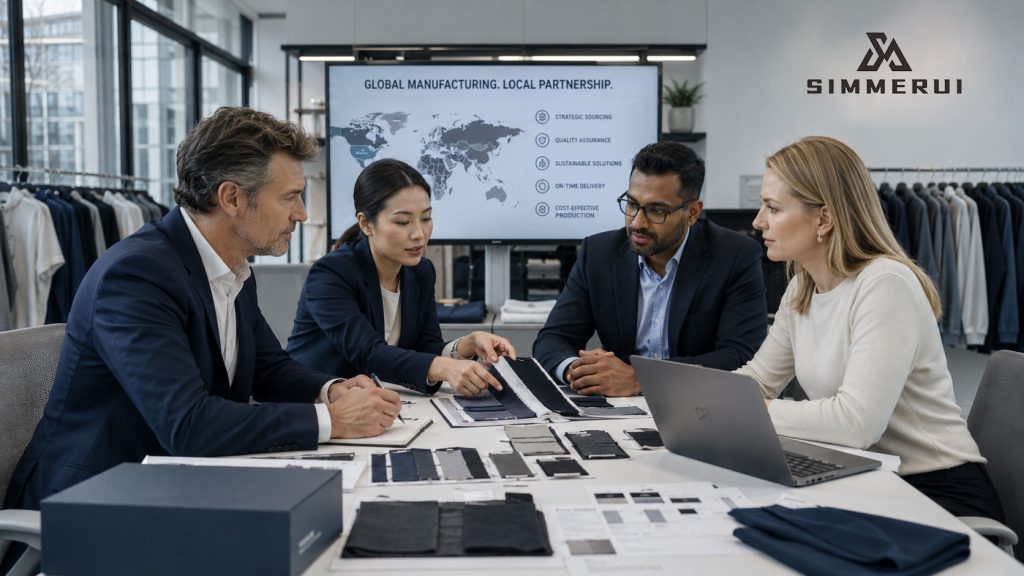
Select a Reliable Partner to Scale Efficiently
Not all manufacturers are equally equipped to support startup brands. When evaluating suppliers, consider the following factors.Sampling Support
A reliable factory should provide:- Development samples
- Fit samples
- PPS samples
- Technical feedback
- Fabric sourcing assistance
Flexible MOQ Policies
Ask questions such as:- Is MOQ per style or per color?
- Can sizes be mixed?
- Are repeat orders eligible for lower MOQs?
- Are stock fabrics available?
Quality Control Systems
Ensure the manufacturer performs inspections during:- Fabric inspection
- Cutting
- Sewing
- Finishing
- Packing
Industry Experience
Manufacturers familiar with startup production often provide:- Faster communication
- Better development guidance
- Realistic timelines
- More flexible production planning
Follow a 6-Step Workflow from Inquiry to Shipment
Step 1: Inquiry & Feasibility Review
You provide:- Design concepts
- Reference photos
- Quantity estimates
- Initial quotation
- Production recommendations
- Feasibility assessment
Step 2: Product Development
Our team assists with:- Fabric sourcing
- Trim selection
- Construction recommendations
- Technical development
Step 3: Sampling
Prototype samples are created for evaluation and testing.Step 4: PPS Approval
Final samples are approved before bulk production begins.Step 5: Bulk Production
Mass production is monitored through in-line and final quality inspections.Step 6: Packaging & Shipment
Finished products are packed according to customer requirements and prepared for export.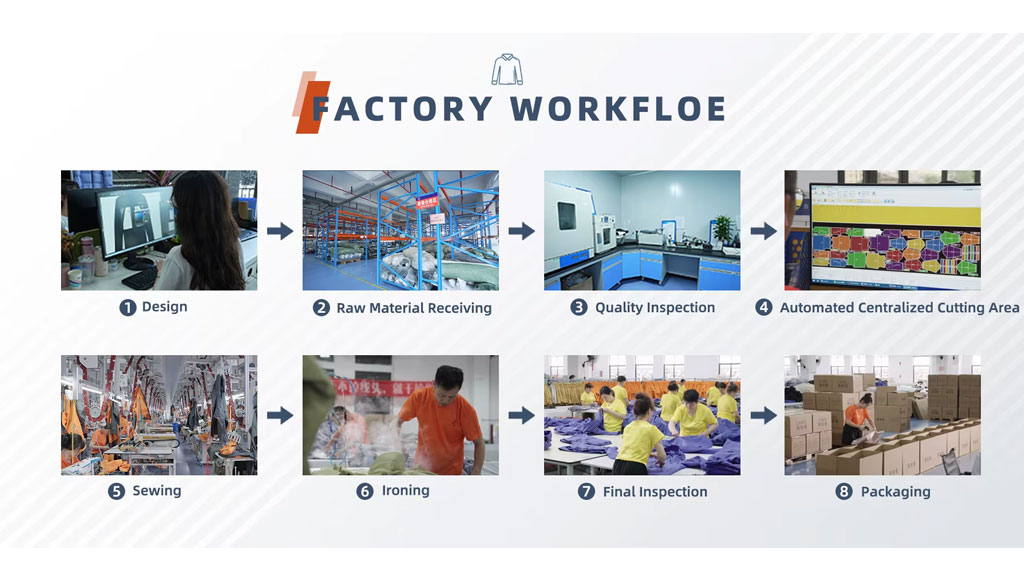
Frequently Asked Questions
1.What is considered a low MOQ in apparel manufacturing?
Most low MOQ programs range between 50 and 300 pieces per style depending on fabric type, print/embroidery, color count.2.Can I mix sizes within the MOQ?
In most cases, yes. Size ratios can usually be adjusted according to your sales strategy.3.Is low MOQ production more expensive?
The unit cost is often slightly higher, but the overall financial risk is significantly lower.4.Can low MOQ orders include custom labels and branding?
Yes. Most manufacturers can provide custom woven labels, hangtags, packaging, embroidery, and printing options.5.How long does low MOQ production take?
Typical timelines range from 35–70 days, depending on development requirements, fabric availability, and production complexity.6. How to balance unit cost vs cash flow for startups?
Startups can negotiate smaller MOQs, split orders, or use prepayment milestones to reduce upfront cash needs while accepting slightly higher per-unit costs. Consider total landed cost vs inventory risk.7. What are typical timelines for repeated low MOQ runs?
For experienced manufacturers, each low MOQ run usually takes 2–6 weeks, depending on category, fabric availability, and complexity. Planning multiple runs in advance helps avoid delays.8. How to verify manufacturer experience with startup brands?
Ask for references, sample projects, and past startup clients. Check if they handle flexible quantities, shorter lead times, and product customization. Small-scale sample orders are a safe test.
Written by the Simmerui Apparel Development & Sourcing Team. Our team has over 25 years of experience in apparel sourcing, product development, and custom garment manufacturing. We have worked with startup fashion brands, outdoor apparel companies, corporate uniform programs, and private-label retailers across North America and Europe.