
Reducing sampling rounds in custom apparel development helps B2B brands, startups, and growing labels accelerate product launches, cut development costs, and maintain quality. Key strategies include preparing a complete tech pack, pre-approving fabrics and trims, providing clear fit references, consolidating feedback from all stakeholders, and establishing approval timelines.
By following a structured workflow from prototype to PPS, brands can reduce unnecessary sample revisions, improve communication efficiency, and move into bulk production faster without compromising product quality.| Stage | Buyer Provides | Factory Delivers | Approval / Checkpoint | Common Risk |
|---|---|---|---|---|
| Tech Pack | Full specs, sketches | Feasibility review | Go/No-go | Missing info, ambiguous instructions |
| Fabric & Trim | Material sheets | Pre-approval samples | Confirm | Last-minute changes, color mismatch |
| Prototype Sample | Fit references | Prototype | Internal review | Measurement errors, pattern misinterpretation |
| PPS | Approved prototype | Pre-production sample | PPS approval | Fit or trim deviations |
| Bulk Production | PPS sign-off | Mass production | Inline QC | QC deviations, delayed delivery |
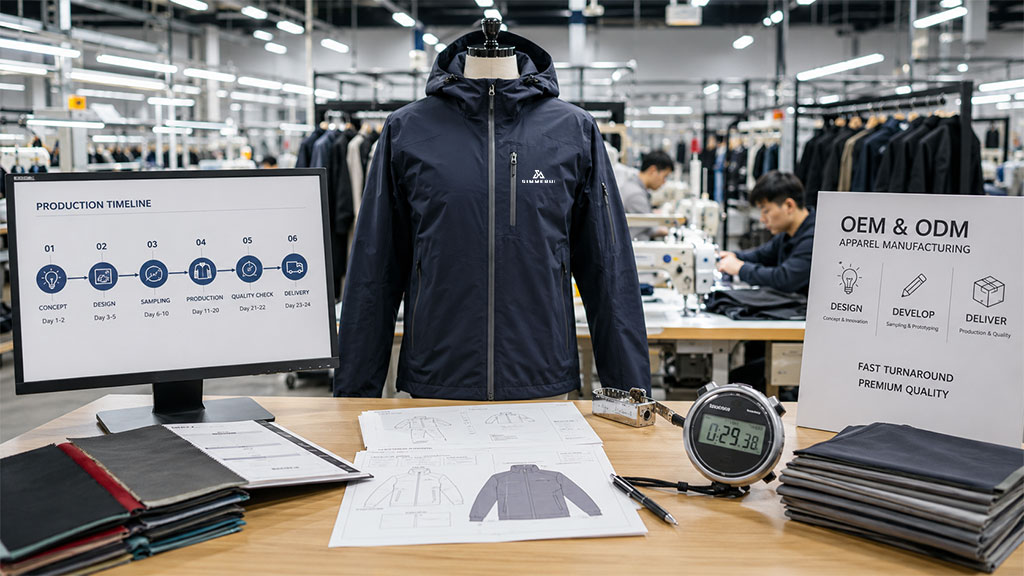
Why Too Many Sampling Rounds Hurt Apparel Projects
Sampling plays a critical role in transforming a design concept into a production-ready garment. However, when projects require multiple revisions, development efficiency quickly declines. Based on our experience working with apparel brands, startup companies and first-time product developers often require 3–5 sample rounds before approval. In contrast, brands with detailed specifications and structured review processes frequently reduce sampling to just 2–3 rounds. Most brands reduce to 2–3 rounds depending on garment complexity, fabric type, and factory workload. Excessive sample revisions can lead to:- Extended product development timelines
- Higher sampling and development costs
- Delayed material sourcing and procurement
- Increased communication complexity
- Missed seasonal launch opportunities
- Production scheduling conflicts
Identify Causes of Sampling Delays to Reduce Cycles
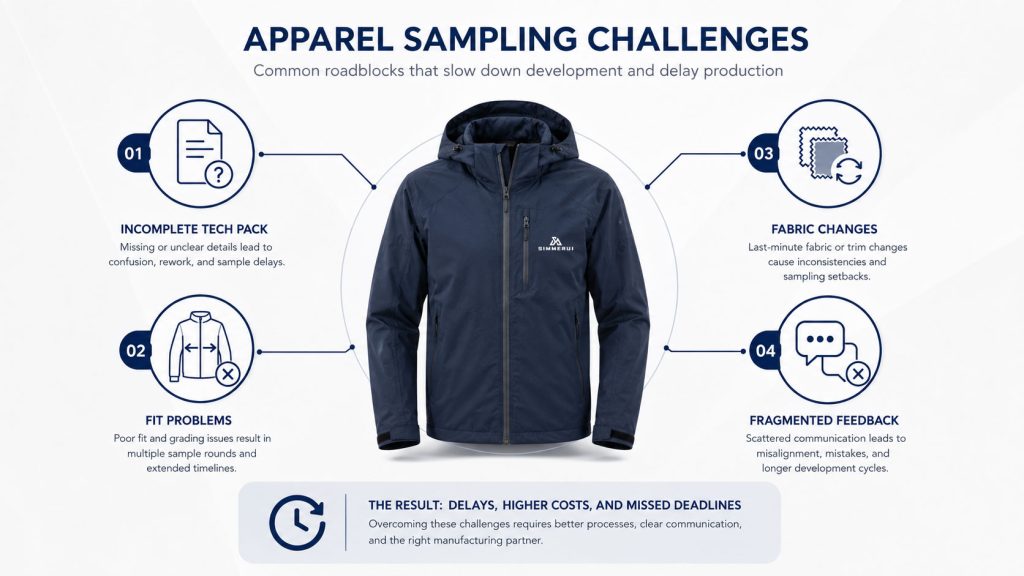
Before reducing sampling rounds, it is important to understand what causes them in the first place.Incomplete Tech Packs
One of the most common reasons for repeated revisions is missing technical information. When a manufacturer receives incomplete specifications, they are forced to make assumptions regarding construction details, measurements, trims, and branding placement. These assumptions often result in discrepancies that require additional revisions. Common issues caused by incomplete tech packs include:- Incorrect measurements
- Construction misunderstandings
- Wrong trim selections
- Label placement errors
- Packaging inconsistencies
Frequent Design Changes
Many brands continue refining their products during the sampling stage. While design improvements are sometimes necessary, frequent changes to fabrics, trims, construction methods, or branding can create a chain reaction of revisions. Even minor adjustments may require:- Pattern modifications
- Material substitutions
- Fit corrections
- Additional testing
Unclear Fit Expectations
Fit is one of the most subjective aspects of apparel development. Instructions such as: “Make it fit like a premium outdoor jacket” can mean very different things to different pattern makers. Without clear fit references, manufacturers may interpret sizing differently than intended. Helpful fit references include:- Size specifications
- Garment measurements
- Competitor product samples
- Wear-test feedback
- Fit photos
Fragmented Feedback
Sampling often involves multiple stakeholders, including:- Brand founders
- Designers
- Product developers
- Merchandisers
- Sourcing managers
7 Practical Ways to Reduce Sampling Rounds
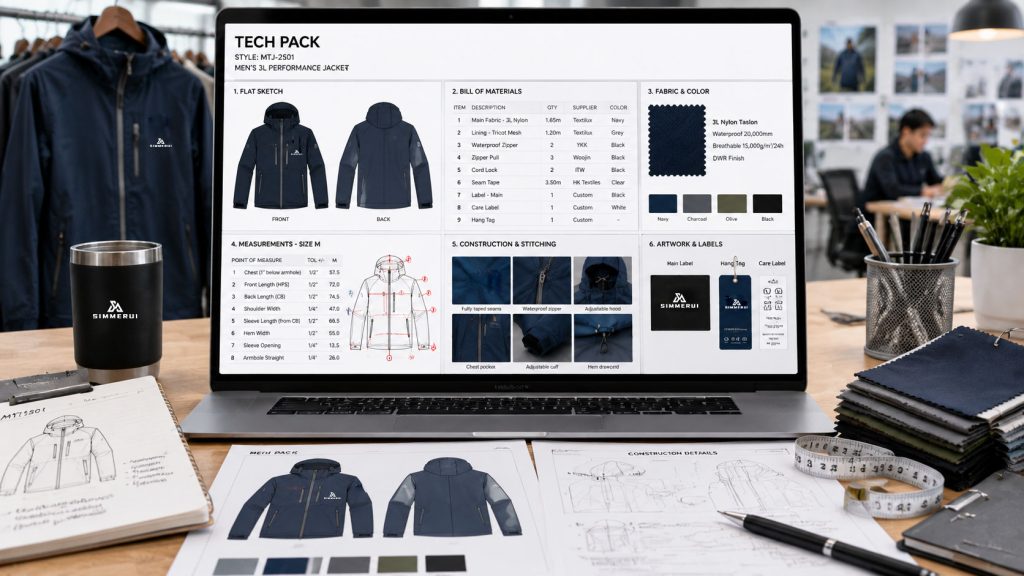
1. Prepare a Tech Pack to Minimize Sample Errors
A professional tech pack serves as the blueprint for your garment. Before requesting samples, ensure your tech pack includes:- Flat sketches
- Measurement specifications
- Construction details
- Stitching requirements
- Artwork files
- Label placement
- Packaging instructions
- Bill of Materials (BOM)
2. Lock Materials Early to Avoid Redesigns
Material changes are one of the biggest causes of project delays. Before sample development begins, confirm:- Fabric composition
- Fabric weight
- Color standards
- Zippers
- Drawcords
- Buttons
- Labels
- Packaging materials
3. Set Measurable Fit Standards to Improve First Sample Accuracy
Instead of relying on subjective descriptions, provide measurable fit standards. Useful fit references include:- Actual garment measurements
- Competitor product samples
- Fit approval photos
- Body measurement charts
- Wear-test evaluations
4. Streamline Feedback to Cut Revision Rounds
One organized feedback report is far more effective than multiple emails and messages. A structured sample review sheet should identify:| Item | Issue | Required Change |
|---|---|---|
| Chest Width | Too Wide | Reduce by 2 cm |
| Sleeve Length | Too Short | Increase by 1.5 cm |
| Logo Placement | Too Low | Raise by 3 cm |
5. Use PPS to Prevent Bulk Production Mistakes
A Pre-Production Sample (PPS) review is one of the most important checkpoints before bulk manufacturing. All stakeholders should review and approve:- Measurements
- Branding
- Fabric selections
- Labels
- Packaging
- Quality standards
6. Establish Internal Approval Deadlines
Even when manufacturers complete samples on time, projects can stall if approvals are delayed internally. Brands should establish clear timelines for:- Sample reviews
- Design approvals
- Fabric approvals
- Packaging approvals
7. Leverage Expertise to Reduce Sampling Cycles
Experienced apparel manufacturers often identify potential problems before sampling begins. A knowledgeable development partner can provide guidance on:- Pattern optimization
- Construction feasibility
- Material alternatives
- Cost engineering
- Production readiness
Case Study: Reducing Sampling Cycles for an Outdoor Jacket Project
An emerging outdoor apparel brand approached our development team after experiencing lengthy sampling cycles with a previous supplier.Challenge
- Average of 5 sample rounds per style
- Frequent fit adjustments
- Delayed launch schedule
- Rising development costs
Solution
We implemented a structured development process that included:- Detailed tech pack preparation
- Fabric and trim pre-approval
- Competitor fit benchmarking
- Consolidated review documents
- PPS approval meeting
Results
- Sampling rounds reduced from 5 to 2
- Development timeline shortened by approximately 35%
- Production started 4 weeks earlier
- Improved communication efficiency between all stakeholders
Recommended Apparel Sampling Workflow
Many successful apparel brands follow a structured workflow similar to the one below:Step 1
Finalize Tech PackStep 2
Approve Fabrics and TrimsStep 3
Develop Prototype SampleStep 4
Conduct Internal ReviewStep 5
Submit Consolidated FeedbackStep 6
Produce Revised SampleStep 7
Approve PPSStep 8
Start Bulk Production This process often reduces development cycles from 4–5 rounds to just 2–3 rounds.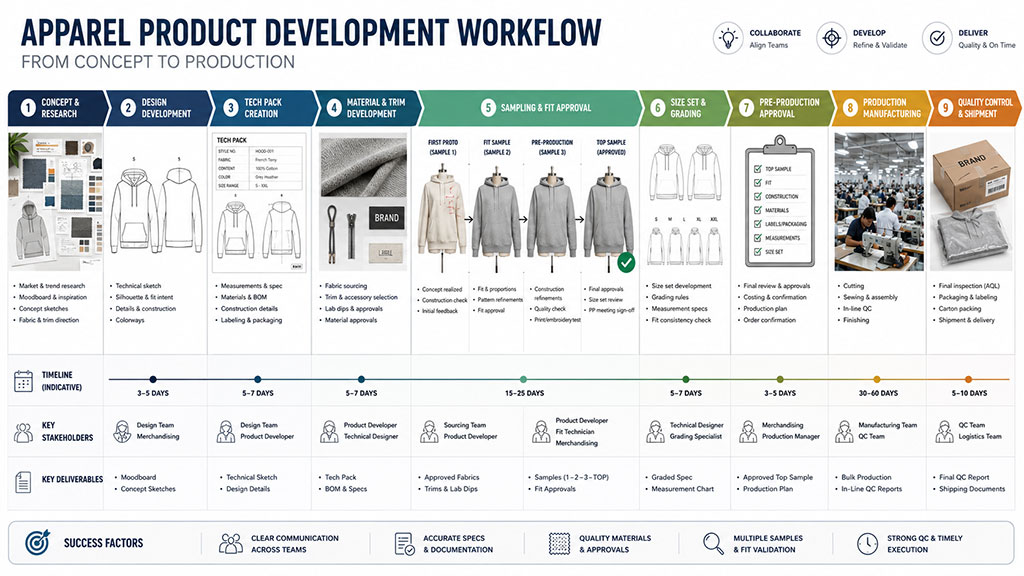
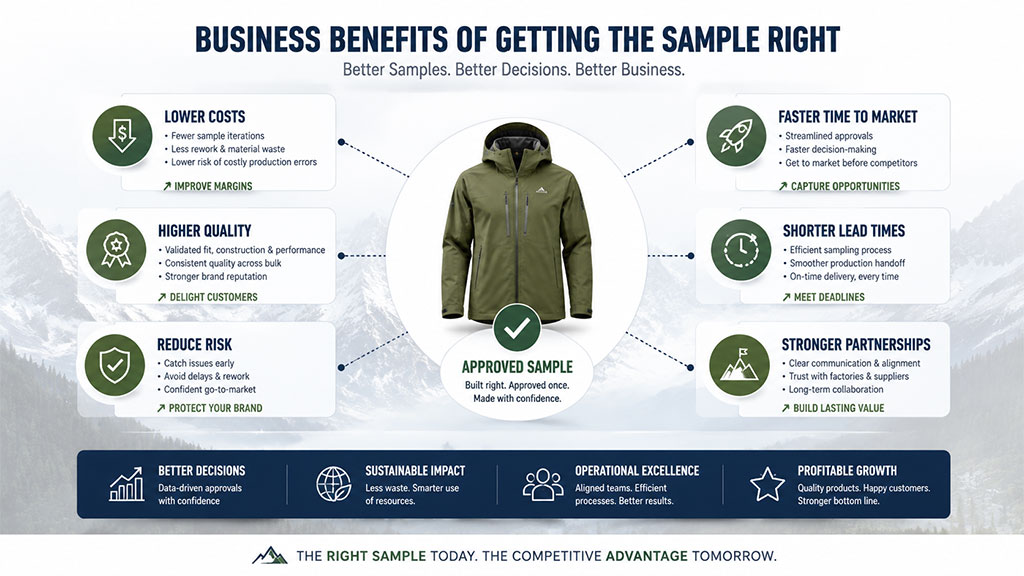
Benefits of Reducing Sampling Rounds
Brands that streamline their development process typically achieve:- Faster product launches
- Lower development costs
- Shorter production lead times
- Better supplier relationships
- Improved communication efficiency
- More predictable project timelines
- Greater production readiness
How Simmerui Lab Helps Brands Accelerate Development
At Simmerui Lab, we help apparel brands simplify product development through a structured and collaborative approach. Our development support includes:- Technical garment engineering
- Pattern development and optimization
- Fabric sourcing consultation
- Construction feasibility analysis
- Sampling management
- PPS inspections and production preparation
Conclusion
Reducing sampling rounds is not about rushing development—it is about improving preparation, communication, and decision-making. Detailed tech packs, early material approvals, clear fit references, consolidated feedback, and structured review processes help brands move from concept to production with fewer revisions and greater confidence. Whether you are launching your first apparel collection or scaling an established brand, a disciplined sampling strategy can significantly reduce costs, shorten lead times, and improve overall product development performance.Frequently Asked Questions
1.How many sample rounds are normal in apparel development?
Most apparel projects require 2–3 sample rounds before production approval. Highly technical garments may require additional revisions.2.What causes the most sample revisions?
Incomplete tech packs, unclear fit expectations, material changes, and fragmented feedback are the most common causes.3.Can a detailed tech pack reduce development time?
Yes. Comprehensive specifications help manufacturers produce more accurate samples from the beginning, reducing unnecessary revisions.4.What is the difference between a prototype sample and a PPS sample?
A prototype sample is used to evaluate design and construction, while a PPS (Pre-Production Sample) is the final approved sample used as the production standard.5.How much does apparel sampling cost?
Sampling costs vary depending on garment complexity, materials, and construction requirements. Technical outerwear typically costs more to develop than basic apparel styles.6.How long does a sample revision usually take?
Most sample revisions take 1–3 weeks depending on material availability, factory workload, and the extent of requested changes.7. How to set internal approval deadlines to prevent delay?
Break approvals into stages (fabric, fit, PPS, bulk) and assign fixed internal deadlines with buffer time (24–72 hours per stage). Use a single decision owner to avoid back-and-forth delays.8.How can brands speed up apparel development?
The most effective methods include creating detailed tech packs, approving materials early, establishing approval timelines, and working with experienced development partners.
Written by the Simmerui Apparel Development Team. We help B2B brands, startups, and growing labels streamline custom apparel development from tech pack creation, fabric and trim approval, and prototype sampling to PPS approval, bulk production, and shipment. Our team’s structured approach reduces unnecessary revisions, shortens lead times, and ensures high-quality production across performance, casual, and outerwear collections.