
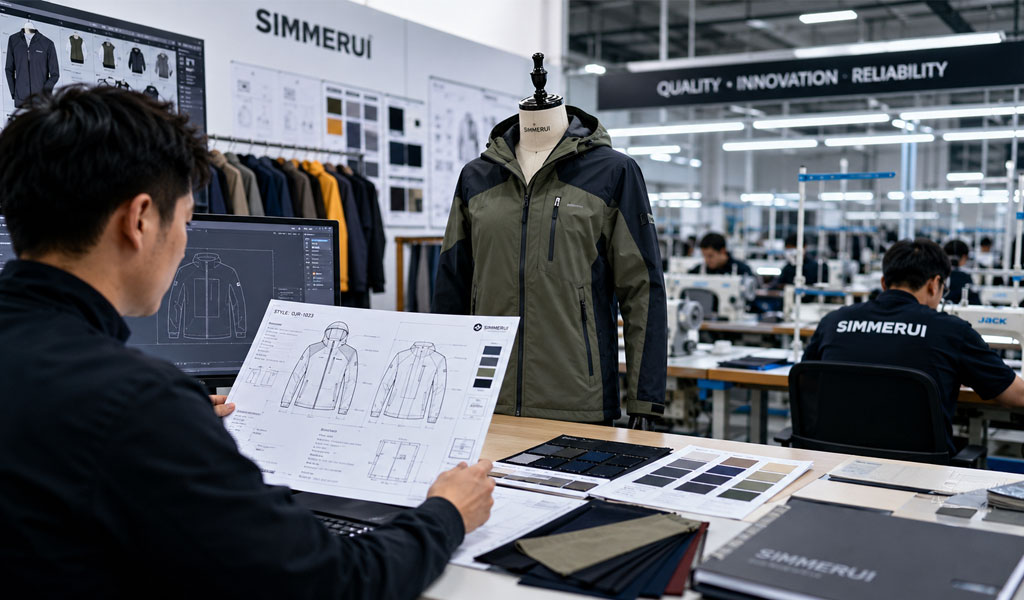
Simmerui helps B2B brands and startups streamline custom apparel development by reducing sampling rounds, controlling quality, and shortening production timelines. From complete tech pack creation and fabric/trim pre-approval to consolidated feedback, PPS review, and bulk production, our structured workflow minimizes delays, lowers development costs, and ensures consistent fit and construction. With flexible low MOQs, emerging brands can test products, validate market demand, and scale efficiently while maintaining high-quality standards.
| Stage | Buyer Provides | Factory Delivers | Approval / Checkpoint | Common Risk |
|---|---|---|---|---|
| Tech Pack | Sketches, measurements, BOM | Feasibility review, cost estimate | Go / No-go | Missing info, unclear specs |
| Material Pre-Approval | Fabric / Trim selection | Pre-approved swatches | Confirm | Late approvals, substitutions |
| Prototype Sample | Feedback on fit / style | First garment | Internal review | Fit or construction issues |
| PPS | Approved prototype | Pre-production sample | PPS approval | Deviations in size, construction, trims |
| Bulk Production | PPS sign-off | Mass production | Inline QC + final inspection | QC deviations, delayed shipment |
Identify Key Bottlenecks to Reduce Delays
Many apparel brands encounter similar obstacles during the development process:- Extended Sampling Cycles – Multiple rounds of prototypes can delay launches.
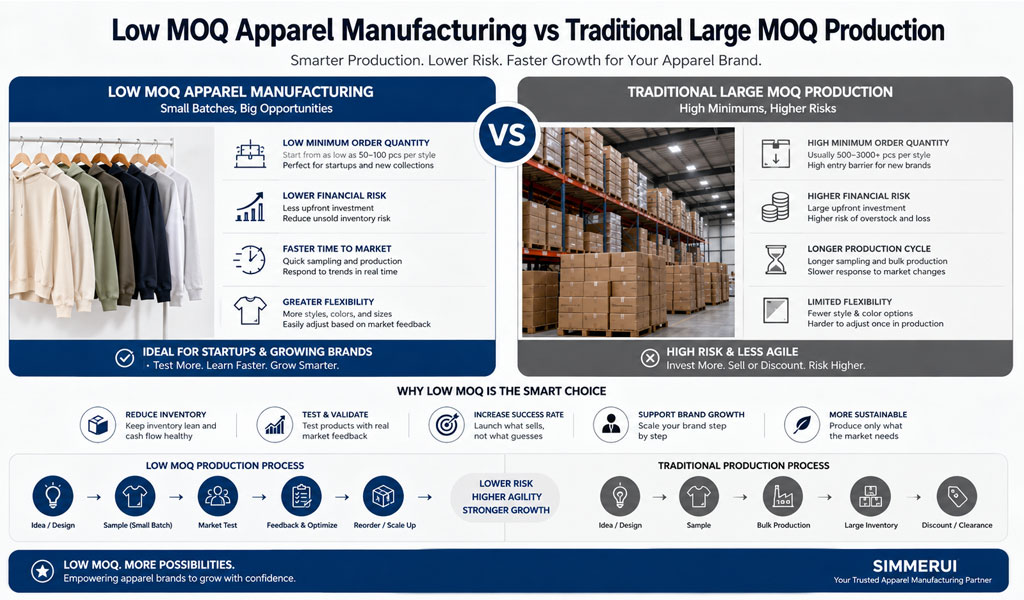
- High Minimum Order Quantities (MOQs) – Large initial orders create financial and inventory challenges for startups.
- Inconsistent Quality – Without clear specifications, production quality varies.
- Communication Delays – Dispersed feedback from multiple stakeholders often causes misunderstandings.
- Material Sourcing Issues – Late approvals for fabrics or trims can lead to costly delays.
Understand Delay Causes to Shorten Lead Times
Even experienced brands can face development bottlenecks if processes are not structured. Common causes of delays include:- Incomplete Tech Packs – Missing measurements, construction details, or labeling instructions lead to repeated revisions.
- Unclear Fit Expectations – Vague sizing or lack of reference garments causes misinterpretation.
- Multiple Decision Makers – Conflicting feedback slows approvals.
- Late Material Changes – Switching fabrics or trims mid-process creates additional sample rounds.
- Limited Project Oversight – Without consistent tracking, milestones are easily missed.
Implement Structured Processes to Cut Sampling Rounds
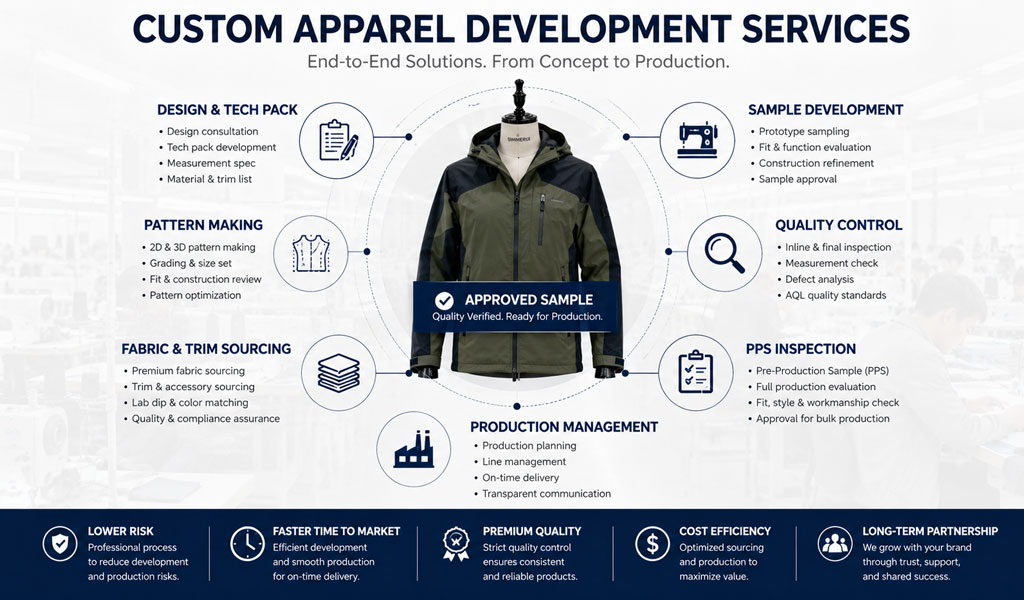
Simmerui provides a holistic development framework to help brands overcome common challenges:- Comprehensive Tech Packs – Detailed flat sketches, BOMs, stitching specifications, artwork files, and packaging instructions minimize assumptions.
- Material Pre-Approval – Early fabric and trim approvals prevent costly redesigns.
- Consolidated Feedback System – Single-source feedback accelerates approvals and reduces sample iterations.
- Pre-Production Sample (PPS) Review – Confirms design, fit, and quality before bulk production.
- End-to-End Support – From initial design consultation and prototype samples to production oversight and quality assurance.
- Dedicated Account Management – Clear timelines, regular updates, and alignment between all stakeholders reduce miscommunication.
- Low MOQs – Flexible minimum orders make it accessible for startups and allow scalable production as brands grow.
Follow Our Step-by-Step Workflow to Accelerate Production
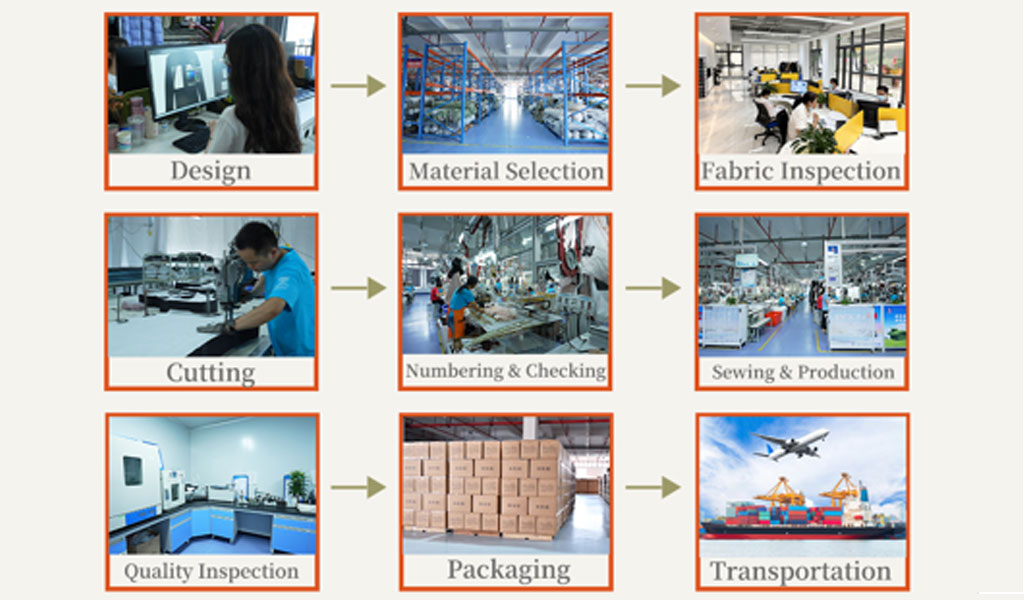
A structured workflow ensures efficiency and accuracy at every stage:- Design Brief – Initial consultation to define product requirements.
- Tech Pack Review – Detailed specifications and flat sketches prepared.
- Material Sourcing – Fabrics and trims pre-approved for production readiness.
- Prototype Sample – First garment sample created based on the tech pack.
- Consolidated Feedback – All stakeholders submit comments in a single review document.
- PPS Approval – Final sample validated for fit, construction, and quality.
- Bulk Production – Garments produced in line with approved specifications.
See How Structured Processes Reduced Sample Rounds by 60%
Client: Emerging outdoor apparel brand Challenge: 5 sample rounds, repeated fit adjustments, delayed launch Solution: Tech pack optimization, early material approvals, consolidated feedback, PPS review Results:- Sample rounds reduced from 5 to 2
- Development timeline shortened by ~35%
- Bulk production launched 4 weeks earlier
- Communication efficiency greatly improved
Achieve Faster Launch, Lower Costs, and High-Quality Output
- Faster Product Launches – Shorter sampling cycles accelerate market entry.
- Lower Development Costs – Efficient processes reduce waste and unnecessary iterations.
- Improved Product Quality – Consistent specifications and PPS reviews ensure high standards.
- Scalable Production – Flexible MOQs allow startups and growing brands to scale gradually.
- Better Supplier Relationships – Clear communication reduces misunderstandings.
- Predictable Timelines – Structured workflows ensure on-time approvals and production readiness.
Test Designs with Minimal Inventory Risk and Scale Efficiently
Low minimum order quantities are particularly beneficial for startups and small brands:- Lower Inventory Risk – Test designs without committing to large quantities.
- Faster Market Testing – Launch smaller runs to gauge customer response.
- Reduced Upfront Investment – Optimize cash flow with smaller production runs.
- Flexibility to Iterate Designs – Quickly implement feedback from early batches.
FAQ
1.What types of brands work with Simmerui?
Startups, growing fashion brands, and established labels across activewear, outerwear, workwear, and private-label clothing.2.How does Simmerui reduce development lead times?
By providing complete tech packs, pre-approving fabrics, consolidating feedback, and offering fast sample turnarounds.3.Does Simmerui support small batch orders?
Yes, flexible MOQs make it accessible for emerging brands.4.Can Simmerui help with design feasibility?
Absolutely. Their experienced technical team evaluates patterns, construction methods, and material selection to ensure designs are production-ready.5.How is communication managed during development?
Dedicated account managers provide updates, consolidate feedback, and align all stakeholders from sampling to bulk production.6. How many sample rounds are typical for complex garments?
Sample Rounds for Complex Garments: Typically 3–5 rounds to finalize fit, construction, and details.7. Can multiple fabric types or trims be included in a single low MOQ batch?
Multiple Fabrics/Trims in Low MOQ: Yes, but may increase cost and lead time; plan carefully with suppliers.8. What internal review timelines prevent feedback delays?
Internal Review Timelines: 48–72 hours per review cycle helps avoid delays.9. How to consolidate feedback from multiple stakeholders efficiently?
Consolidating Stakeholder Feedback: Use a shared tracker or document, assign one coordinator to summarize and prioritize comments.
Written by the Simmerui Apparel Development Team. We support B2B brands, startups, and growing labels with OEM/ODM workflows from tech pack review and fabric sourcing to sampling, PPS approvals, bulk production QC, and shipment coordination. Our structured approach reduces unnecessary sample rounds, shortens lead times, and ensures high-quality apparel production across activewear, outerwear, workwear, fleece, and performance garments.