
A reliable apparel supplier for B2B brands is a manufacturing partner that ensures consistent product quality, stable lead times, scalable production capacity, and transparent communication. In long-term partnerships, supplier reliability depends on structured QC systems, OEM/ODM capability, compliance certifications, and production consistency across multiple orders. This guide explains how to evaluate apparel suppliers and build stable, low-risk sourcing partnerships for global apparel brands.
1. What Defines a Reliable Apparel Supplier in B2B Manufacturing
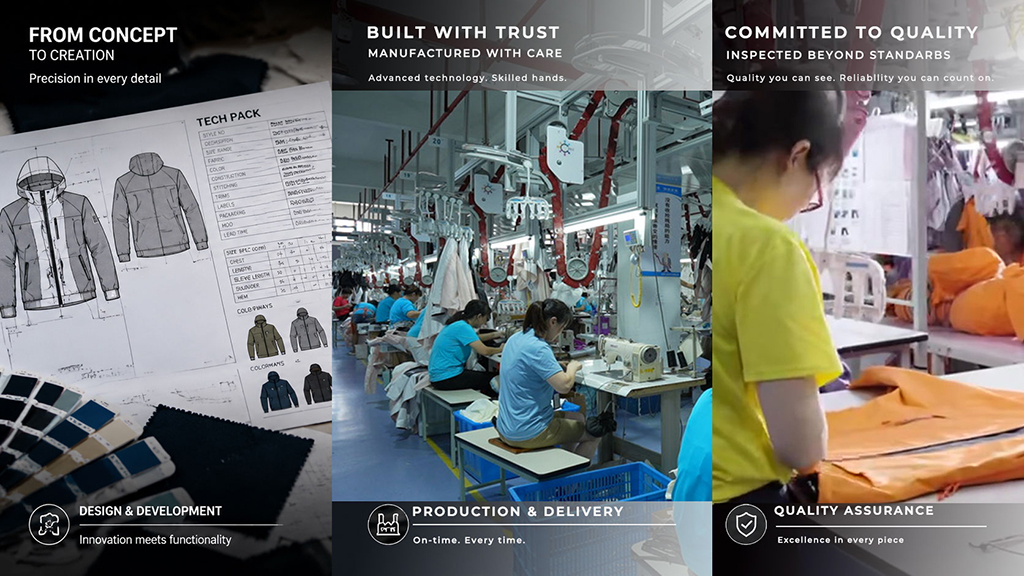
In B2B apparel manufacturing, reliability is not defined by price or speed alone. It is determined by a supplier’s ability to consistently deliver stable quality, predictable timelines, and scalable production support across multiple order cycles. A truly reliable supplier demonstrates control over every stage of production—from fabric sourcing to final inspection—while maintaining transparent communication with brand partners.2. Apparel Supplier Evaluation System for Long-Term Partnerships
To objectively evaluate an apparel manufacturer, brands should assess suppliers using a weighted reliability model:| Evaluation Criteria | Weight | What to Check |
|---|---|---|
| Quality Control System | 30% | AQL, inline QC, lab testing |
| Delivery Reliability | 20% | On-time shipment history |
| Communication | 15% | Account manager structure |
| OEM/ODM Capability | 15% | Design-to-production support |
| Compliance | 10% | OEKO-TEX, GRS, ISO |
| Scalability | 10% | Capacity flexibility |
👉 A supplier scoring high across these categories is more likely to support long-term brand stability and reduce operational risk.
3. What Strong Suppliers Do Differently (Critical Comparison)
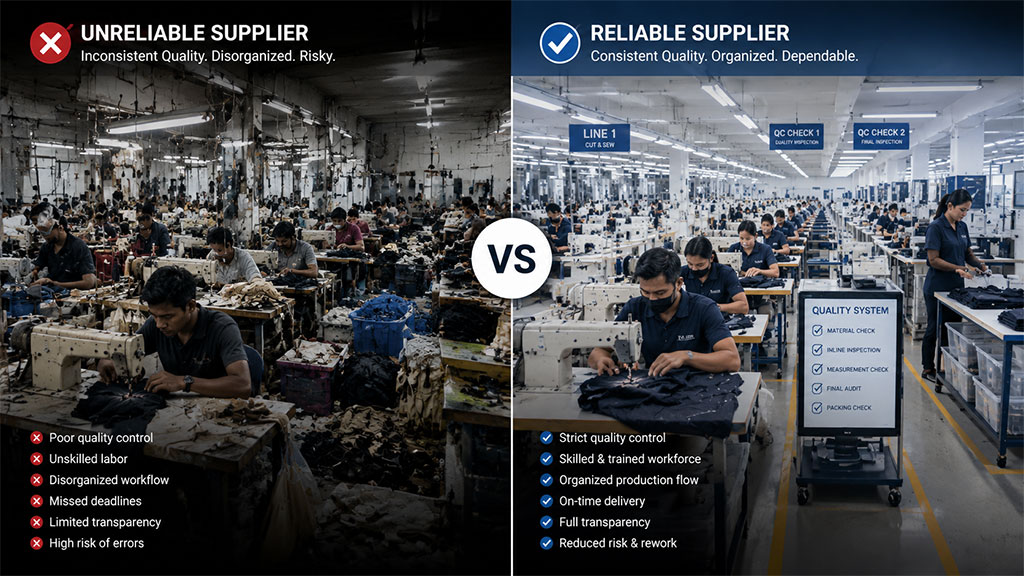
| Evaluation Area | Unreliable Supplier | Reliable Supplier |
|---|---|---|
| Communication | Delayed responses, unclear updates | Dedicated account manager with structured updates |
| Quality Control | Inconsistent batch quality | AQL inspection + inline + final QC system |
| Sampling | No structured sample approval | Pre-production sample (PPS) confirmation process |
| Production Planning | Reactive scheduling | Forecast-based capacity planning |
| OEM/ODM Capability | Limited customization | Full design-to-production support |
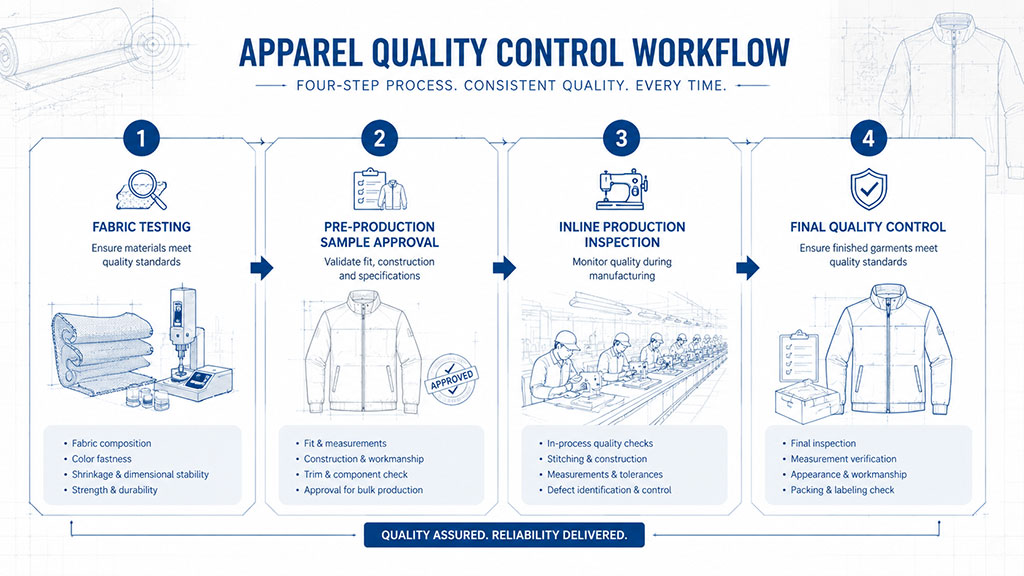
4. How QC Systems Ensure Apparel Manufacturing Consistency
A reliable apparel supplier must operate a standardized QC system across all production stages.How QC Systems Reduce Production Risk
- Fabric testing (shrinkage, colorfastness, durability)
- Pre-production sample approval (PPS)
- Inline production inspection
- Final AQL inspection
5. Why Scalability Matters in Long-Term OEM Apparel Supply
Long-term B2B partnerships require suppliers that can scale with business demand. A scalable apparel manufacturer should offer:- Multiple production lines for flexible output
- Seasonal capacity adjustment capability
- Support for both small trial orders and bulk production
- Stable fabric sourcing pipeline
6. Transparent Communication as a Key Factor in Supplier Reliability
Communication breakdown is one of the most common causes of production failure in apparel manufacturing. Reliable suppliers implement structured communication systems:- Dedicated account manager per project
- Real-time production updates
- Transparent issue escalation workflow
- Clear sampling feedback cycles
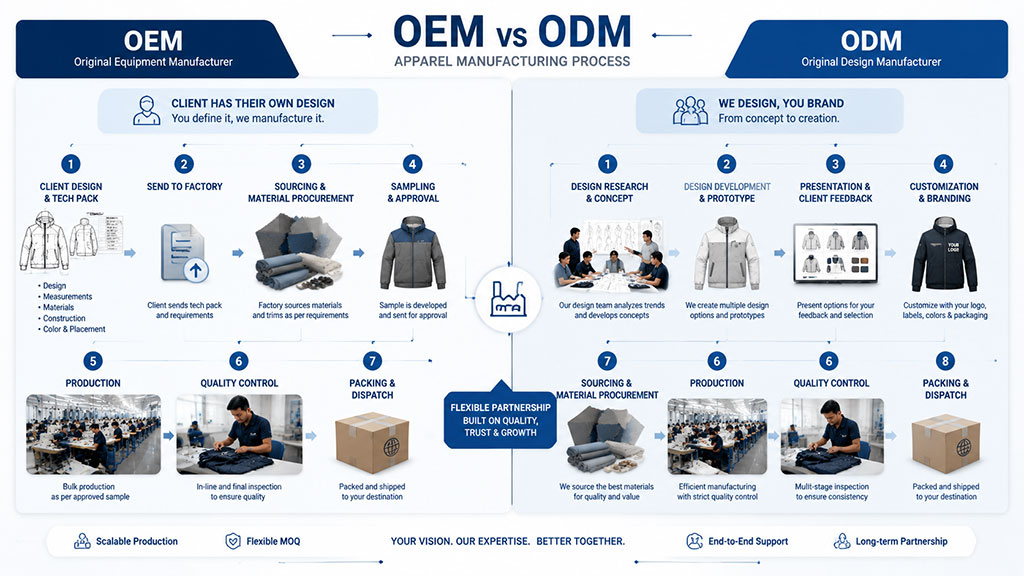
7. OEM and ODM Models in Apparel Manufacturing Partnerships
A professional apparel supplier should support both manufacturing models:OEM (Original Equipment Manufacturing)
- Brand provides tech pack and design
- Supplier executes production strictly
ODM (Original Design Manufacturing)
- Supplier supports design development
- Includes fabric selection, pattern development, and product innovation
8. Compliance & Certification Standards
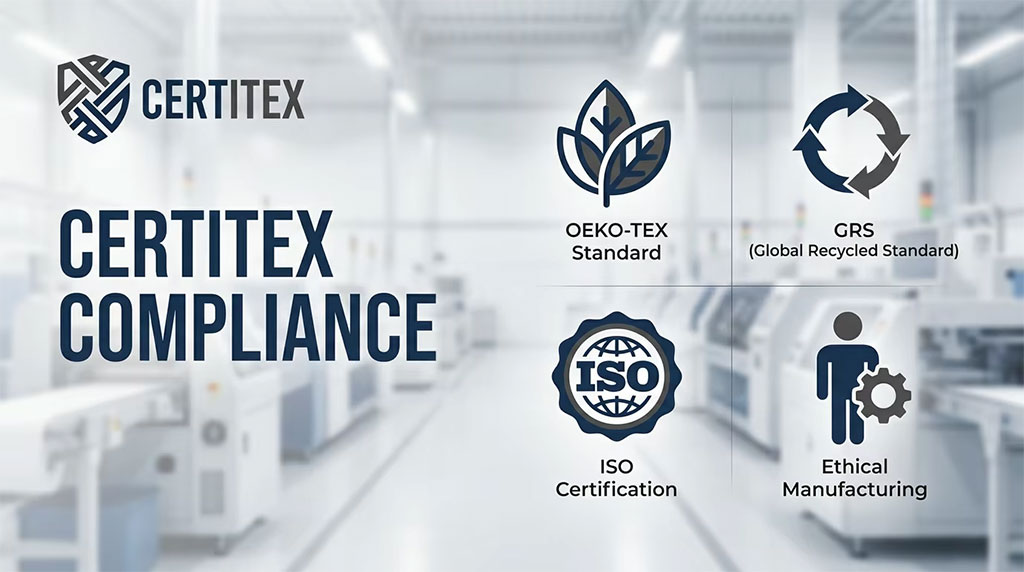
Modern global apparel brands require suppliers that meet international compliance standards:- OEKO-TEX® certified materials
- GRS recycled fabric options
- ISO-based production systems
- Ethical manufacturing practices
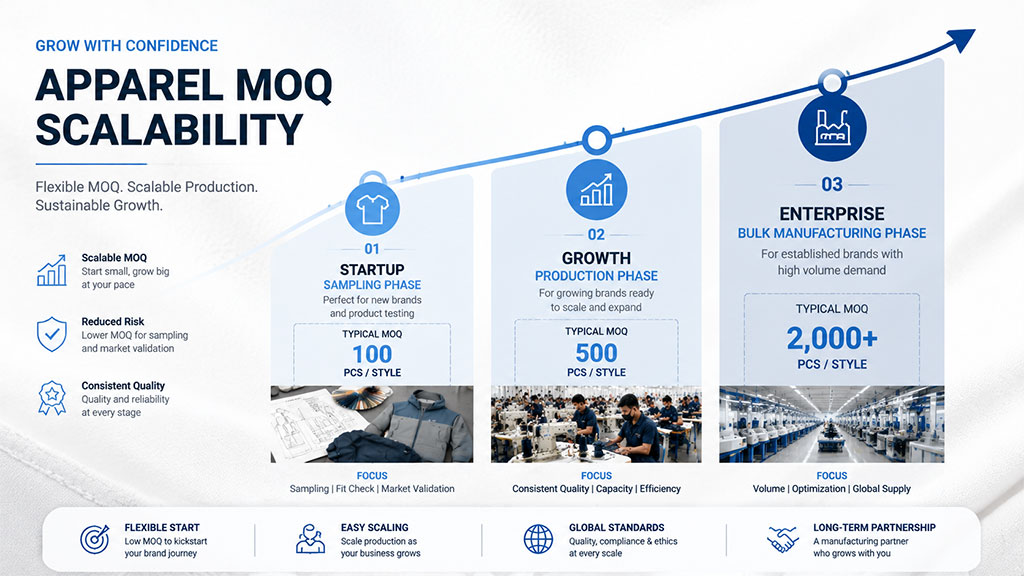
9. Compliance Standards and Flexible MOQ Strategy for B2B Brands
MOQ Flexibility as a Growth Strategy
MOQ flexibility is essential for brand growth across different stages. Reliable suppliers provide:- Low MOQ for market testing
- Scalable pricing for growth phases
- Efficient re-order systems
- Sample development support
10. Why Supplier Reliability Impacts Brand Success
Common Risks of Unreliable Apparel Suppliers
- Inconsistent product quality across batches
- Delayed product launches
- Inventory imbalance and cash flow issues
- Brand reputation damage
Benefits of a Reliable Supplier:
- Faster product development cycles
- Stable retail performance
- Predictable supply chain operations
- Lower long-term operational risk
11. Apparel Supplier Selection Checklist (Practical Tool)
Before selecting a manufacturing partner, evaluate:- Do they provide structured QC documentation?
- Can they scale production during peak season?
- Do they support OEM + ODM flexibility?
- Do they provide fabric testing reports?
- Do they maintain consistent lead time history?
- Do they offer pre-production sample approval (PPS)?
FAQ
1. What makes an apparel supplier reliable for B2B brands?
A reliable supplier ensures consistent quality, stable lead times, scalable production capacity, and transparent communication throughout the manufacturing process.2. How do I evaluate an apparel manufacturer before partnership?
Evaluate sample quality, QC systems, certifications, production capability, and OEM/ODM flexibility.3. Why is MOQ important?
MOQ defines flexibility. Lower MOQ allows market testing, while scalable MOQ supports long-term brand expansion.4. What is the difference between OEM and ODM?
OEM uses client-provided designs, while ODM includes supplier-supported product development and design services.5. How can I ensure long-term supplier stability?
Assess QC systems, communication structure, production consistency, and historical delivery performance.6.What is the most important factor when choosing an apparel supplier?
Consistency in quality and communication. A reliable supplier can repeatedly meet specs, deadlines, and standards—not just offer a low price.7. How do I verify factory reliability before placing bulk orders?
Check samples, audit reports, production capability, client cases, and run a small pilot order to validate real production performance.8. What is a good MOQ strategy for long-term apparel sourcing?
Start with a flexible low MOQ for testing, then gradually scale order volumes once quality, fit, and delivery stability are proven.9. How does QC impact long-term supplier relationships?
Strong QC reduces defects, returns, and disputes, building trust and enabling smoother, more stable long-term cooperation.10. What is the difference between reliable and low-cost suppliers?
Low-cost suppliers focus on price reduction; reliable suppliers balance cost with quality stability, delivery control, and risk management.
Written by the Simmerui Apparel Manufacturing Team.
We specialize in OEM and ODM apparel production for global B2B brands, focusing on long-term supplier partnerships, quality control systems, scalable manufacturing, and sustainable sourcing solutions. Our team works across fabric engineering, sampling development, production management, and compliance systems to help brands build stable and efficient apparel supply chains.