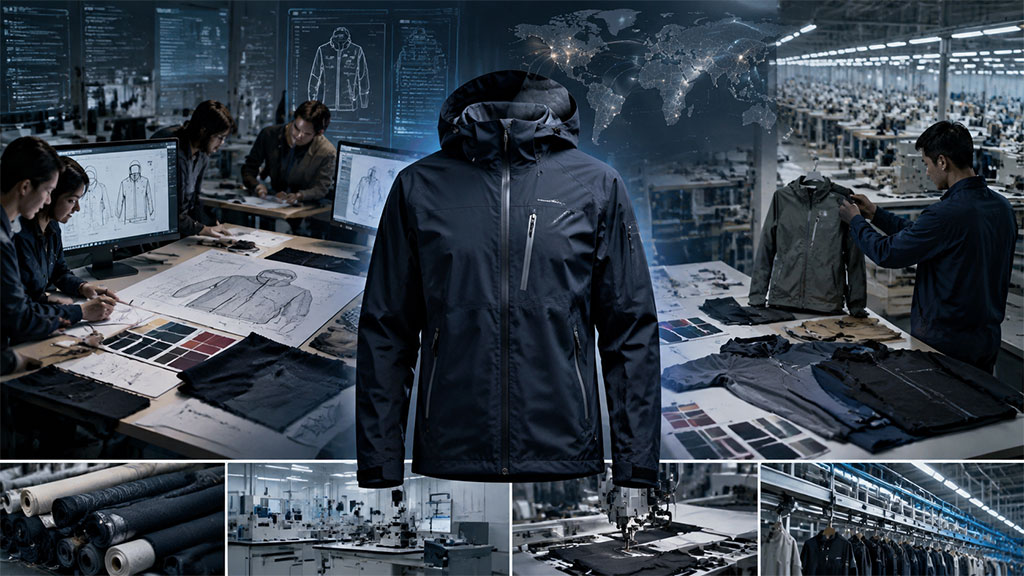
OEM, ODM, and private label clothing models provide different approaches to apparel production, cost control, and brand development. OEM offers maximum customization but requires higher development investment. ODM balances customization and efficiency through factory expertise, while private label provides the fastest and most affordable market entry option. Understanding these differences helps apparel brands choose the right manufacturing strategy based on product goals, budget, MOQ requirements, and long-term growth plans.
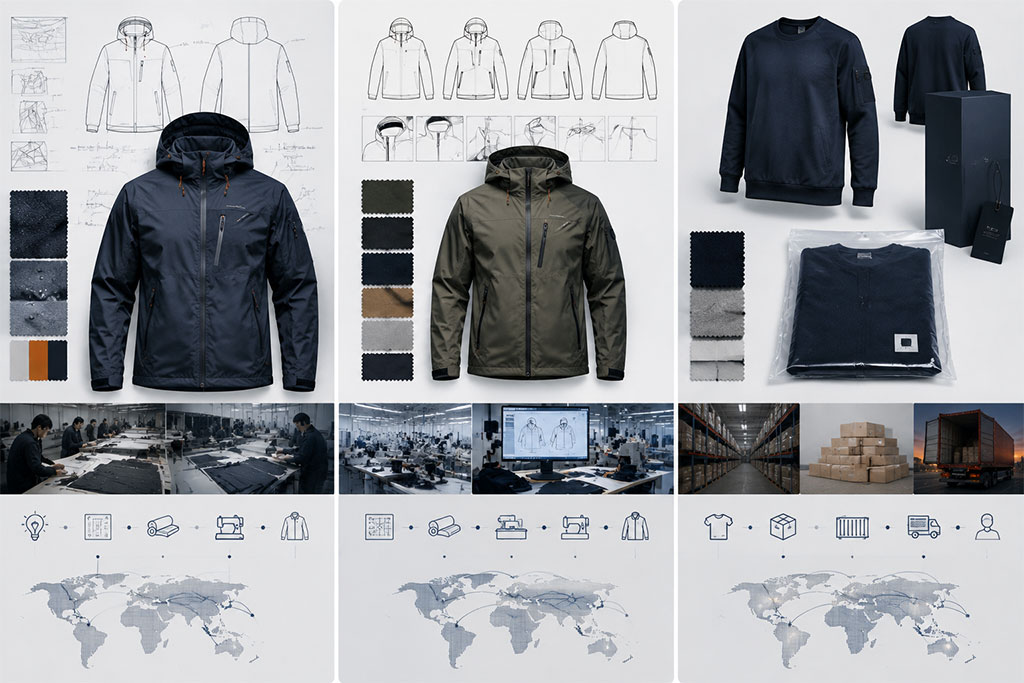
OEM vs ODM vs Private Label Clothing: Understanding Manufacturing Models
Before analyzing costs, apparel buyers need to understand how each production model works and how responsibilities are divided between brands and manufacturers.
1. OEM Clothing Manufacturing: Maximum Customization With Higher Development Investment
What Is OEM Apparel Manufacturing?
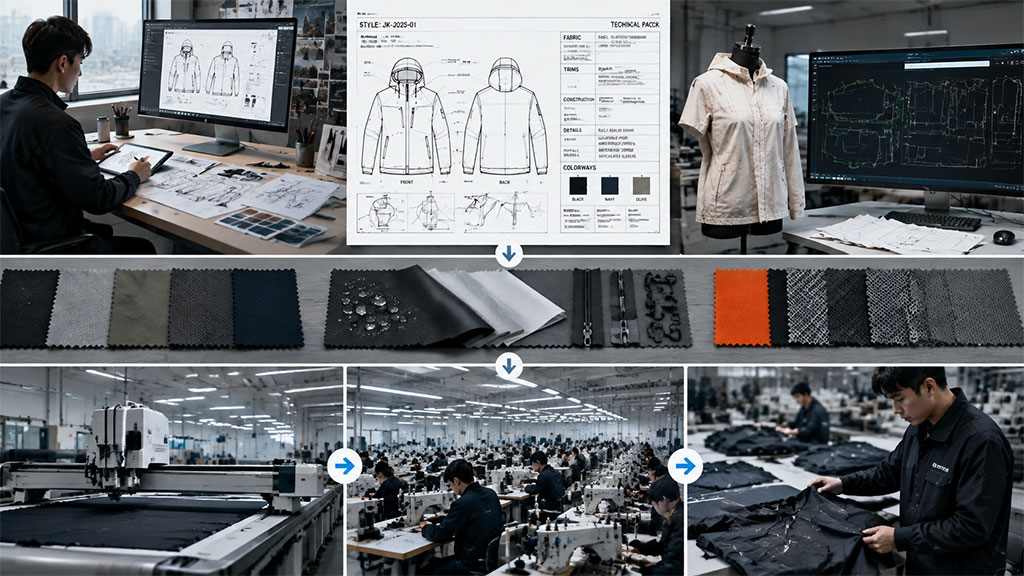
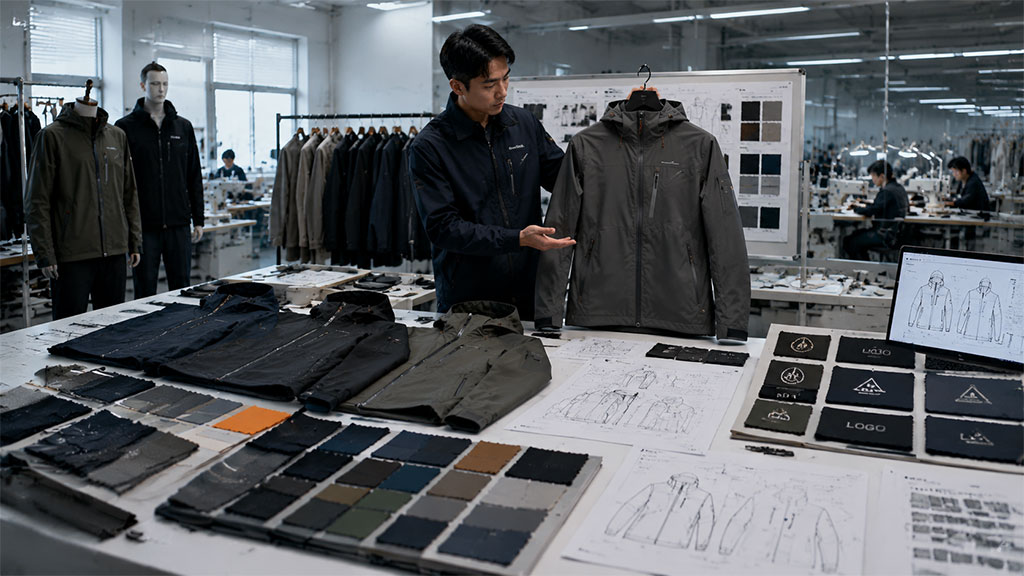
OEM (Original Equipment Manufacturing) means the manufacturer produces garments according to the buyer’s original designs, technical specifications, and product requirements.
The buyer usually provides:
- Tech pack
- Design drawings
- Measurement specifications
- Fabric requirements
- Trim details
- Branding guidelines
The manufacturer transforms the brand concept into finished production.
OEM is commonly selected by:
- Established apparel brands
- Outdoor performance brands
- Sportswear companies
- Fashion companies requiring unique products
OEM Clothing Cost Structure
| Cost Factor | Impact |
|---|---|
| Pattern development | Medium–High |
| Sample development | High |
| Custom fabric sourcing | Medium–High |
| Special trims | Medium |
| Packaging customization | Medium |
| Technical adjustments | Medium–High |
OEM costs are usually higher because products are developed from the initial concept stage.
2. ODM Apparel Manufacturing: Balance Between Cost and Customization
What Is ODM Clothing?
ODM (Original Design Manufacturing) allows brands to select factory-developed products and customize them according to market requirements. Manufacturers usually provide:- Existing product concepts
- Proven patterns
- Fabric recommendations
- Production solutions
- Colors
- Materials
- Logos
- Labels
- Functional features
| Cost Factor | Impact |
|---|---|
| Product development | Lower |
| Sampling | Medium |
| Design modification | Medium |
| Fabric upgrade | Optional |
| Branding | Medium |
3. Private Label Clothing: Fastest Route to Market
What Is Private Label Apparel?
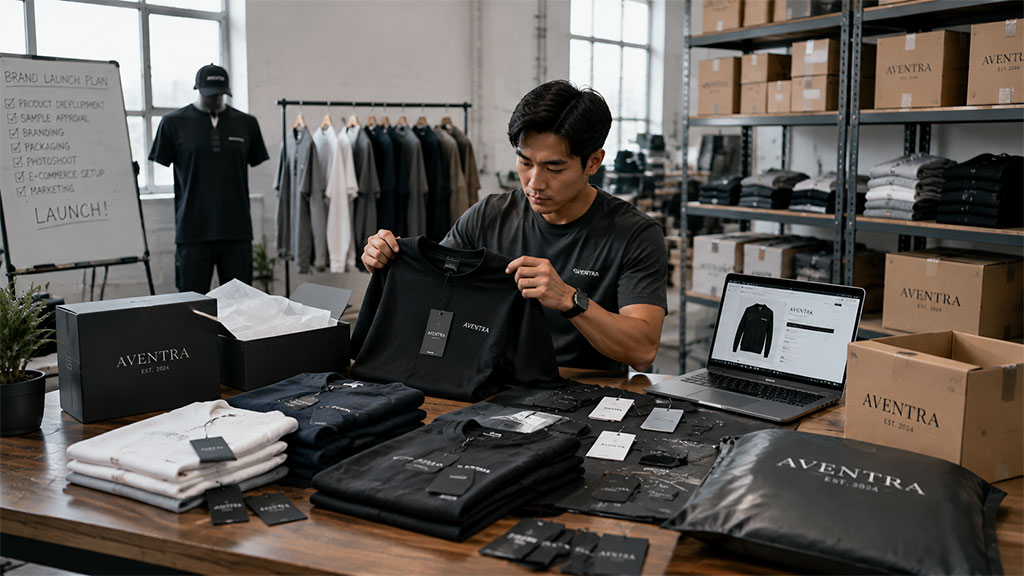
Private label manufacturing uses existing apparel designs and applies the buyer’s branding. Typical customization includes:- Brand labels
- Hang tags
- Packaging
- Colors
- Minor design adjustments
| Cost Factor | Impact |
|---|---|
| Product development | Low |
| Sampling | Low–Medium |
| Branding | Medium |
| Design modification | Limited |
| MOQ requirement | Usually lower |
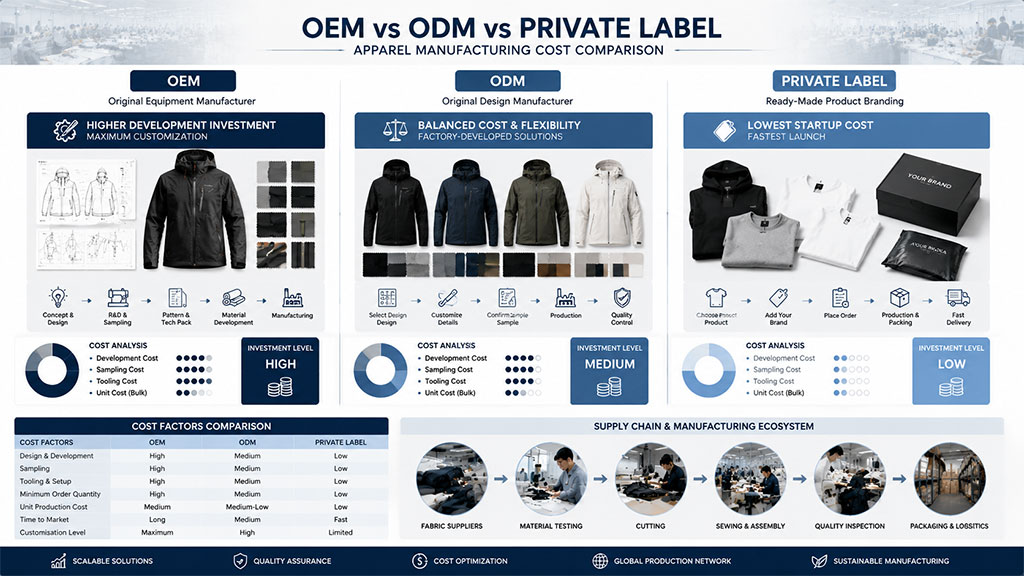
OEM vs ODM vs Private Label Cost Comparison
| Category | OEM | ODM | Private Label |
|---|---|---|---|
| Design Ownership | Buyer | Shared | Factory |
| Development Cost | Highest | Medium | Lowest |
| Product Uniqueness | Highest | Medium–High | Lower |
| Sampling Cost | Higher | Medium | Lower |
| Production Speed | Slow | Faster | Fastest |
| MOQ Flexibility | Depends on complexity | Medium | Usually easier |
| Best For | Unique brands | Growing brands | New brands |
How Apparel Buyers Should Choose the Right Manufacturing Model
Choose OEM If You Need:
- ✓ Exclusive product designs
- ✓ Full specification control
- ✓ Strong brand differentiation
- ✓ Long-term product ownership
Choose ODM If You Need:
- ✓ Faster product development
- ✓ Lower development investment
- ✓ Factory technical support
- ✓ Market-ready solutions
Choose Private Label If You Need:
- ✓ Low startup cost
- ✓ Fast market testing
- ✓ Simple customization
- ✓ Reduced inventory risk
Why OEM Clothing Usually Costs More
OEM pricing is higher because of additional development and engineering processes.
1. Product Development
Includes:
- Pattern engineering
- Sample rounds
- Fit adjustments
- Technical improvements
Each development stage increases engineering time and cost.
2. Fabric Development & Testing
Technical apparel often requires:
- Waterproof fabrics
- Performance textiles
- Recycled materials
- Custom color development
Specialized materials may require higher MOQ and testing investment.
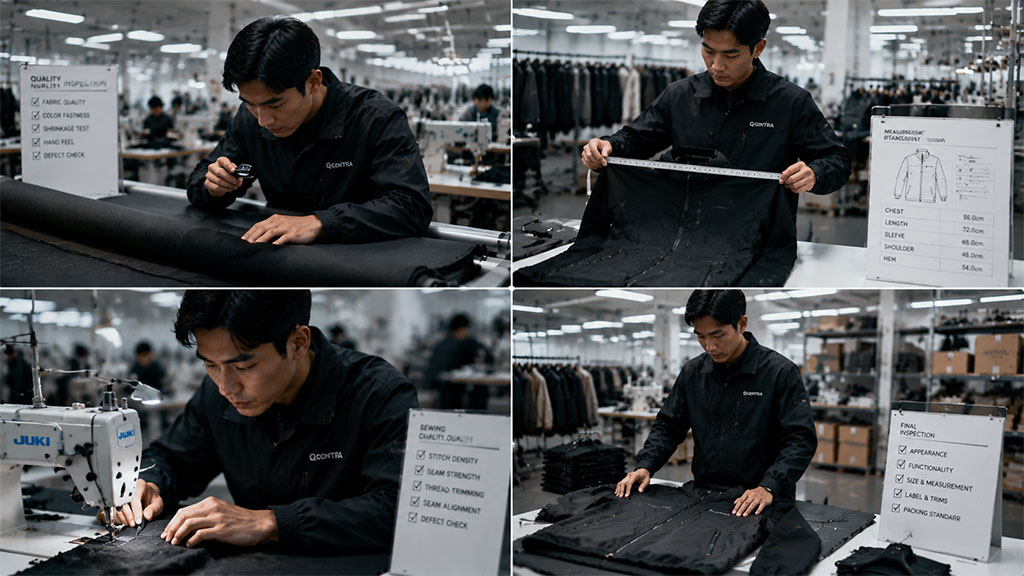
3. Quality Control Requirements
Professional apparel manufacturing includes:
- Fabric inspection
- Sample approval
- Inline production inspection
- Final inspection
How Simmerui Helps Brands Control Apparel Manufacturing Costs
As an OEM/ODM apparel manufacturer, Simmerui supports brands through:
Product Development
- Tech pack review
- Material recommendations
- Sampling optimization
Production Management
- Supplier coordination
- Manufacturing process control
- Quality inspection
Cost Optimization
- Fabric selection
- MOQ planning
- Production efficiency improvement
How To Reduce Clothing Production Costs
1. Prepare Complete Technical Documents
A detailed tech pack helps reduce:- Communication errors
- Sample revisions
- Development delays
2. Select Appropriate MOQ
Higher quantities usually improve:- Fabric cost
- Labor efficiency
- Unit production cost
3. Work With Experienced Manufacturers
Experienced suppliers help optimize:- Materials
- Production processes
- Cost structure
- Quality systems
Apparel Manufacturing FAQ
1. Is OEM clothing more expensive than ODM?
Yes. OEM usually requires higher upfront investment because products are developed from buyer specifications.2. Which clothing manufacturing model is cheapest?
Private label is generally the lowest-cost option because development requirements are limited.3. What is OEM MOQ?
MOQ depends on:- Product category
- Fabric requirements
- Construction complexity
4. Can ODM products become private label collections?
Yes. Brands can customize labels, packaging, and selected features.5. Which model is best for startups?
ODM and private label are usually suitable because they reduce investment and speed up testing.6. Does OEM include design services?
OEM focuses mainly on manufacturing based on buyer specifications. Additional design services may require separate development fees.7. How long does apparel sampling take?
Sampling time depends on product complexity, material availability, and revision rounds.8. How can brands reduce apparel production risks?
Work with experienced suppliers, confirm specifications early, and establish quality checkpoints.Conclusion
OEM, ODM, and private label clothing manufacturing models serve different brand development strategies.OEM provides maximum customization and product ownership but requires higher development investment. ODM creates a balance between flexibility and cost efficiency, while private label enables brands to enter the market faster with lower initial costs.
For apparel brands planning long-term growth, selecting the right manufacturing model based on product positioning, budget, MOQ requirements, and supply chain strategy is essential.
Soft CTA
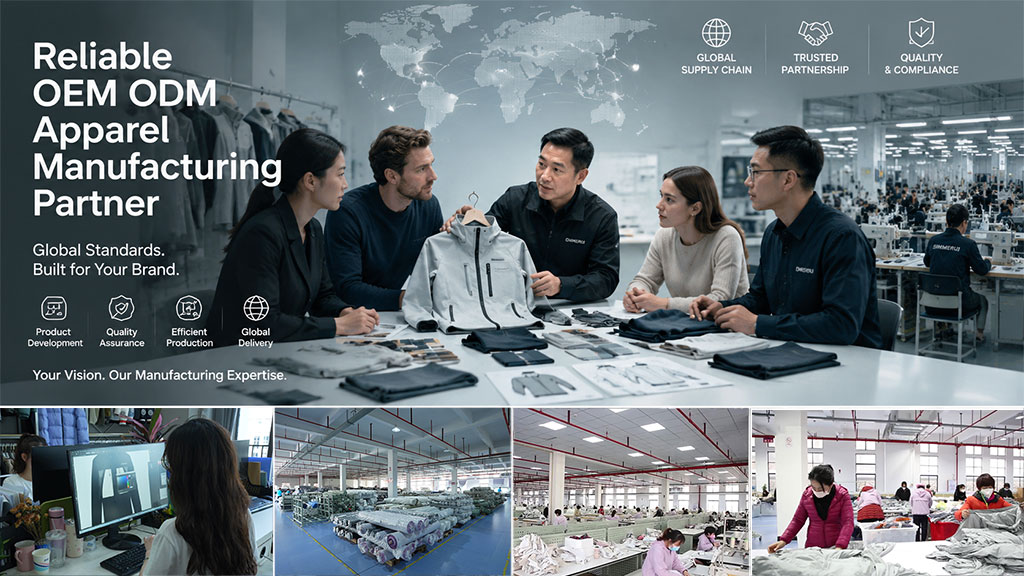
Looking for a reliable OEM/ODM apparel manufacturing partner?
Simmerui helps global clothing brands develop, produce, and scale apparel collections with professional product development, manufacturing control, and quality management systems.
Written by the Simmerui Apparel Manufacturing Team
We specialize in OEM and ODM apparel production for global B2B brands, providing integrated solutions across product development, fabric sourcing, sampling, quality control, and scalable manufacturing.
Our experience covers outdoor apparel, performance wear, casual clothing, and private label collections. We help brands reduce production risks, optimize costs, and build reliable long-term manufacturing partnerships.