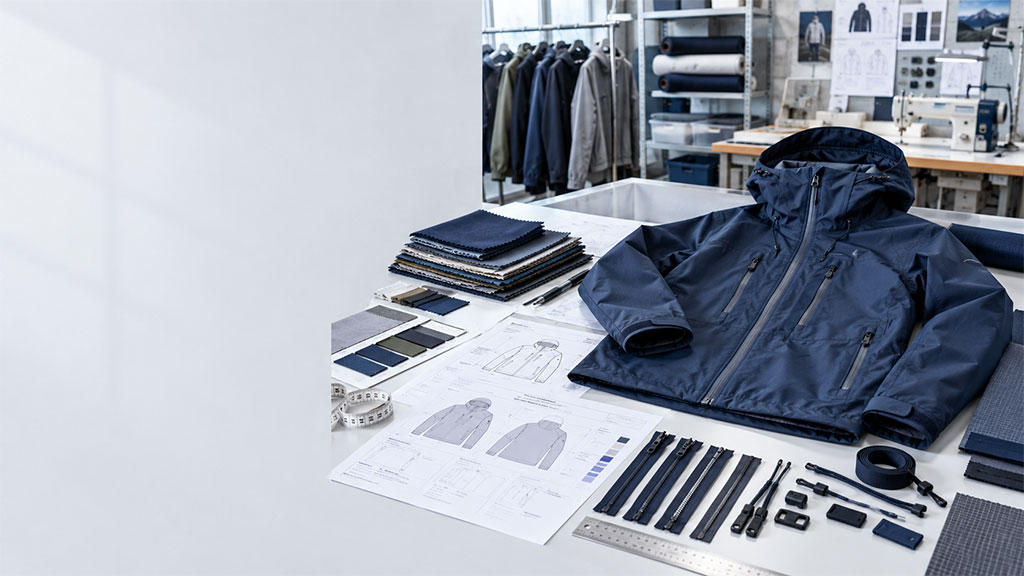
Custom clothing manufacturing for startups requires careful planning across product development, fabric sourcing, sampling, minimum order quantities (MOQs), and quality control. By starting with a focused collection, preparing clear technical specifications, and selecting the right OEM or ODM manufacturing partner, emerging apparel brands can control initial costs and reduce production risks. This guide explains eight practical steps to help startups move from concept to bulk production and build a reliable foundation for long-term brand growth.
Why Startups Need a Clear Manufacturing Plan
Launching a clothing brand involves more than designing attractive garments. New brands must translate creative ideas into production-ready products while balancing limited budgets, material availability, order quantities, and launch deadlines.
Common challenges include incomplete product specifications, unexpected development expenses, unsuitable fabric choices, and unclear production approval procedures.
The goal is not simply to find the lowest-cost supplier. It is to establish a manufacturing partnership that matches your product requirements, budget, and growth plans.
Step 1: Define a Focused First Collection
Start with a small, commercially coherent product range rather than developing too many unrelated styles.
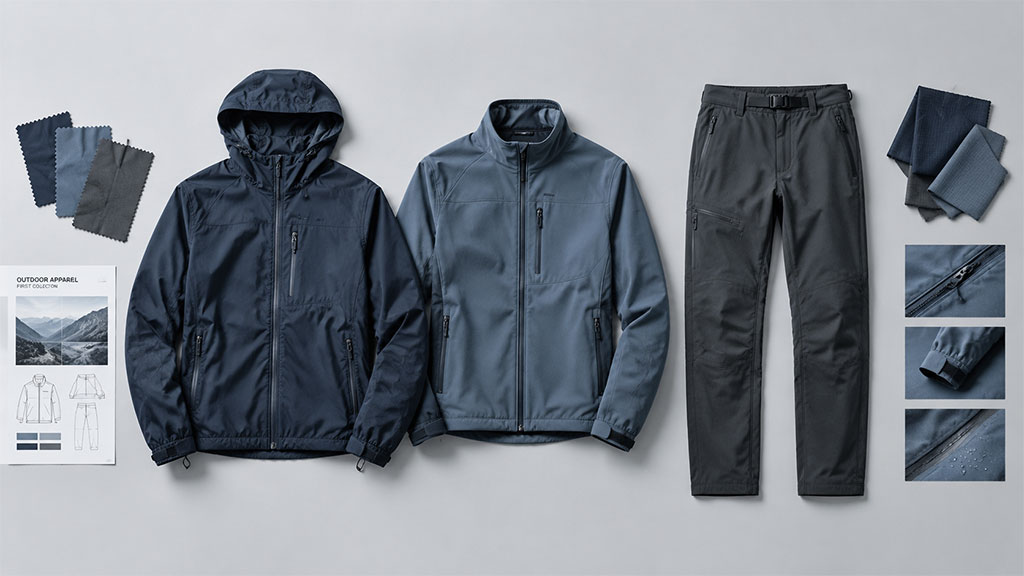
For example, an outdoor apparel startup might launch with a lightweight windbreaker, a technical softshell jacket, and functional outdoor trousers. Shared fabrics, trims, or construction methods can simplify sourcing and product development.
Before requesting quotations, define your target customer, intended retail price, product function, size range, preferred materials, and estimated order quantity.
Key takeaway: A focused collection makes development easier to manage and helps prioritize products for your first production run.
Step 2: Choose the Right Custom Clothing Manufacturer
Evaluate potential manufacturing partners beyond their quoted unit prices. Look for relevant product experience, sampling capabilities, MOQ flexibility, material sourcing support, quality procedures, and clear communication.
Ask whether the supplier offers OEM, ODM, or both:
- OEM manufacturing: Produces garments based on your designs and specifications.
- ODM manufacturing: Provides additional design or product-development input, depending on the supplier’s service scope.
Confirm who manages technical development, sample revisions, production approvals, and shipment coordination. Also clarify whether minimum quantities apply separately to garments, fabrics, and colors.
A reliable partner should explain production constraints and identify missing specifications before they become costly problems.
Step 3: Prepare a Production-Ready Tech Pack
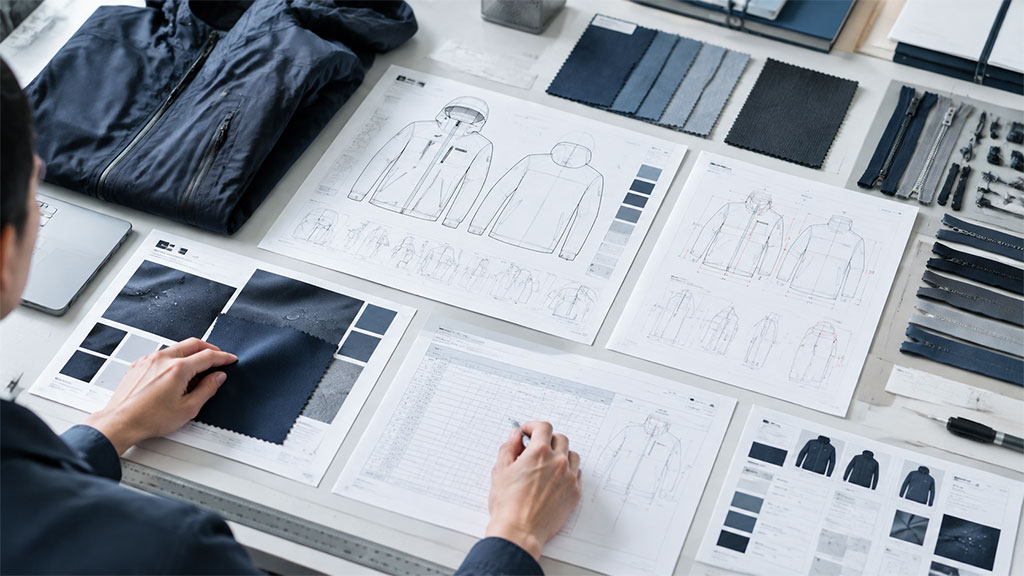
A technical package, or tech pack, translates your design concept into instructions for sampling and manufacturing.
Include the following wherever applicable:
- Technical drawings and garment reference images
- Bill of materials covering fabrics, trims, and accessories
- Measurement charts and acceptable tolerances
- Stitching, construction, and finishing details
- Color references, logo placement, and artwork
- Labels, packaging, and size specifications
- Required performance and testing standards
For technical garments, avoid vague requirements such as “waterproof” or “high durability.” Define measurable performance targets and relevant construction requirements.
If your startup lacks an in-house technical team, discuss development support with your manufacturing partner. Document assumptions and approve specifications before sampling begins.
Step 4: Select Fabrics and Trims That Match Your Budget
Fabric selection influences appearance, comfort, durability, performance, and manufacturing cost.
| Product type | Key material considerations |
|---|---|
| Lightweight outerwear | Weight, wind resistance, packability, finish |
| Technical jackets | Waterproofness, breathability, seam construction |
| Casualwear | Hand feel, shrinkage, colorfastness, comfort |
| Workwear | Abrasion resistance, reinforcement, care requirements |
| Stretch apparel | Recovery, dimensional stability, mobility |
Zippers, snaps, elastic, drawcords, labels, and other trims also affect product quality.
Ask your manufacturer about material availability, minimum purchase quantities, lead times, and suitable alternatives. Any substitute should meet the approved specifications before production.
The objective is to balance product differentiation with practical sourcing requirements.
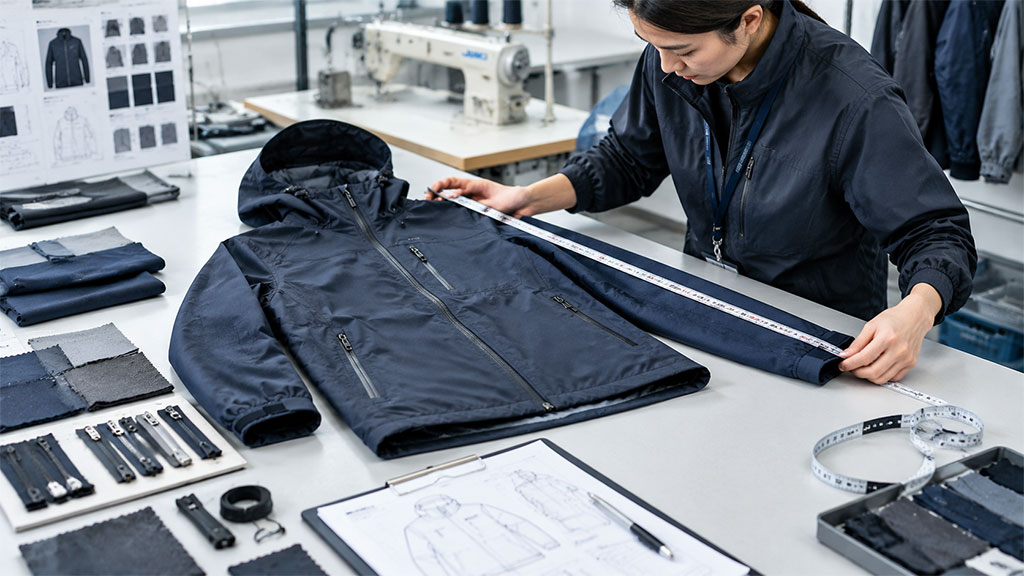
Step 5: Develop Samples and Approve Fit
Sampling verifies whether a design can be translated into a wearable, manufacturable garment.
Depending on product complexity, the process may include:
- Prototype sample: Evaluates the initial design and construction.
- Fit sample: Checks measurements, proportions, movement, and comfort.
- Revised sample: Incorporates agreed changes.
- Pre-production sample (PPS): Confirms the final product before bulk manufacturing.
Technical outerwear may require additional revisions or performance testing.
Record every approved change to measurements, materials, construction, and trims. Before bulk production, confirm the reference sample, color standards, final specifications, and applicable quality requirements.
This approval process reduces the risk of differences between the approved sample and finished bulk garments.
Step 6: Plan MOQ, Development Costs, and Order Quantities
Your initial order should reflect realistic demand, available capital, and manufacturing constraints.
A lower MOQ can reduce inventory exposure, but it does not always produce the lowest unit cost. Small orders may have higher per-unit costs, while custom fabrics may require separate minimum purchases.
Budget for:
- Fabric, trims, and garment manufacturing
- Pattern development and sampling
- Printing, embroidery, and customization
- Testing and inspection, where required
- Labels and packaging
- Freight, duties, and applicable import costs
Use this formula to estimate landed cost:
Estimated landed cost per garment = Total applicable costs ÷ Sellable units
Avoid double-counting expenses already included in the manufacturer’s quotation. Ask for an itemized estimate distinguishing one-time development charges from quantity-dependent production costs.
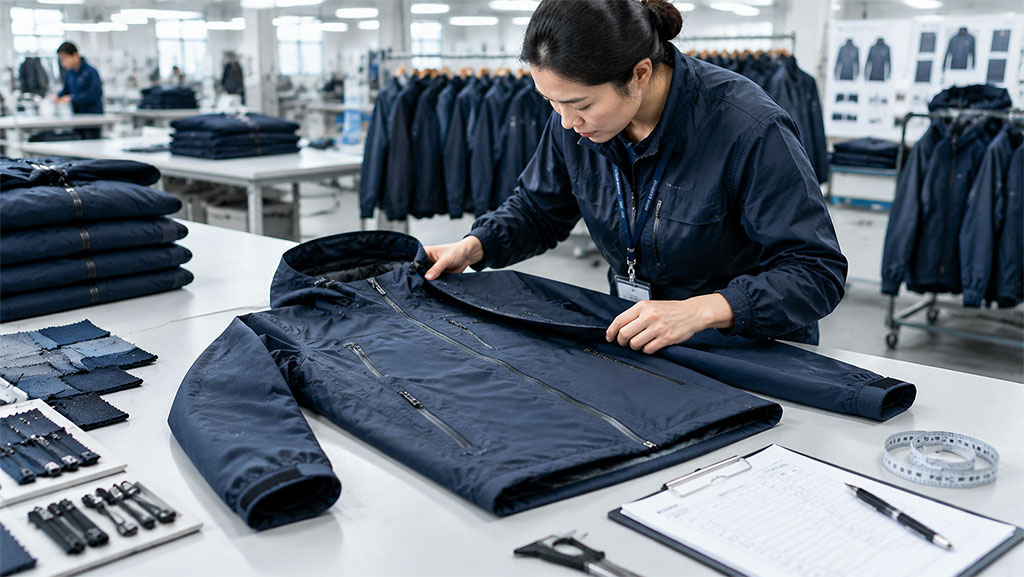
Step 7: Establish Quality Control Before Bulk Production
Quality requirements should be defined before manufacturing begins.
A practical quality workflow includes:
- Pre-production confirmation: Verify approved materials, trims, construction, and reference samples.
- In-line inspection: Identify workmanship issues during production.
- Final inspection: Check finished garments against agreed specifications and acceptance criteria.
- Packing verification: Confirm quantities, size ratios, labels, and packaging.
Technical apparel may require additional checks for seam integrity, waterproof performance, colorfastness, abrasion resistance, or other product-specific requirements.
Where AQL-based inspection is used, agree on the sampling plan and acceptance limits in advance. Document defect handling and corrective actions so that problems can be addressed consistently.
Step 8: Build a Realistic Production Timeline
A first collection typically moves through product planning, technical preparation, material sourcing, sampling, approval, bulk production, and delivery. The timeline depends on garment complexity, material availability, sample revisions, testing requirements, order quantity, and factory capacity. Basic T-shirts may require a different development schedule from technical jackets with specialized fabrics and seam-sealing requirements. Confirm milestone dates and identify which activities depend on your feedback or approvals. Include contingency time for revisions and material delays rather than relying on an overly aggressive launch deadline.How Simmerui Supports Startup Apparel Brands
Simmerui supports B2B apparel development and manufacturing through services that can include product development, fabric sourcing, sampling, customization, quality control, and bulk production.
The appropriate manufacturing solution depends on your garment category, technical requirements, order quantity, and development stage.
To begin a productive discussion, prepare your product references, available tech packs, target pricing, estimated quantities, customization requirements, and launch schedule. These details help establish a clearer basis for evaluating feasibility and planning production.
Your first collection should create more than initial inventory. It should establish documented specifications, realistic cost expectations, agreed quality standards, and a manufacturing partnership that can support future reorders and collection extensions.
Planning your first collection? Share your product requirements with Simmerui to discuss development options and manufacturing feasibility.
Frequently Asked Questions
1. How do I find a custom clothing manufacturer for a startup?
Evaluate product expertise, sampling capabilities, MOQ requirements, quality procedures, communication, and experience with your garment category. Request a quotation based on clear specifications.2. What is the MOQ for a startup clothing brand?
MOQ varies by manufacturer, garment type, fabric, color, and customization method. Confirm both the finished-garment MOQ and any separate fabric or trim minimums.3. How much does custom clothing manufacturing cost?
Costs depend on styles, materials, order quantities, sampling, customization, testing, and logistics. Request an itemized quotation to estimate your initial investment and landed cost.4. Do I need a tech pack before contacting a manufacturer?
A tech pack is strongly recommended. If it is incomplete, prepare reference images and available specifications, then confirm whether the manufacturer can support technical development.5. What is the difference between OEM and ODM?
OEM generally follows the brand’s designs and specifications, while ODM can include additional supplier-led design and development. Confirm responsibilities and design ownership before proceeding.6. How long does it take to launch a clothing collection?
The schedule depends on product complexity, material availability, sampling revisions, testing, order size, and factory capacity. Plan development, approvals, production, and shipping as separate milestones.7. How can startups reduce production risks?
Start with a focused range, document specifications, confirm costs and MOQs, approve a pre-production sample, and establish measurable quality requirements before bulk manufacturing.8. Can a manufacturer help develop products from an initial concept?
Some manufacturers provide product-development support, including material recommendations, technical specification review, and sampling. Confirm the available scope before starting the project.Written by the Simmerui Apparel Manufacturing Team
Simmerui supports OEM and ODM apparel production for global B2B brands, with services spanning product development, fabric sourcing, sampling, quality control, and scalable manufacturing. Our product scope includes outdoor apparel, performance wear, casual clothing, and private-label collections, with a focus on reducing production risks and building reliable long-term manufacturing partnerships.