
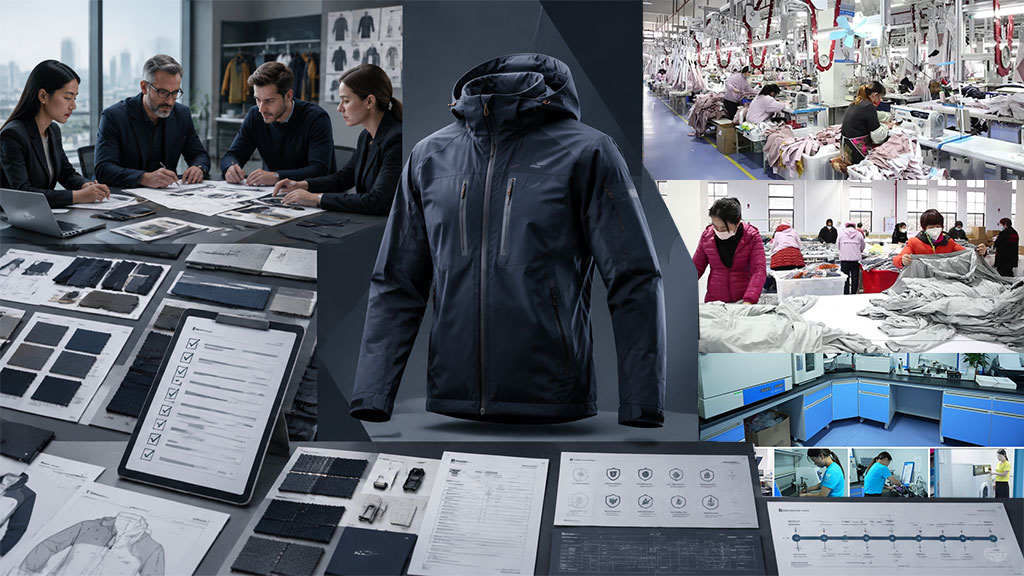
Choosing the right ODM apparel supplier is critical for clothing brands that want stable quality, efficient product development, and reliable production. A professional ODM partner provides more than manufacturing capacity — they support design improvement, fabric sourcing, sampling, quality control, and compliance management. This guide explains the 10 common ODM supplier risks brands should avoid before production and how to evaluate a reliable manufacturing partner.
Introduction: Why ODM Supplier Selection Matters for Clothing Brands
For apparel brands, selecting a manufacturing partner is one of the most important decisions before launching a new product.
An experienced ODM apparel supplier can help transform product concepts into finished garments through:
- Product development
- Fabric selection
- Technical improvement
- Sample creation
- Production management
- Quality control
Unlike traditional factories that mainly manufacture according to buyer specifications, ODM suppliers participate in the early development stage and provide technical support to improve product performance and production efficiency.
However, choosing the wrong ODM supplier may lead to:
- Poor product quality
- Repeated sample revisions
- Unexpected costs
- Production delays
- Compliance problems
Before placing bulk orders, brands should carefully evaluate supplier capability, development experience, manufacturing systems, and communication processes.
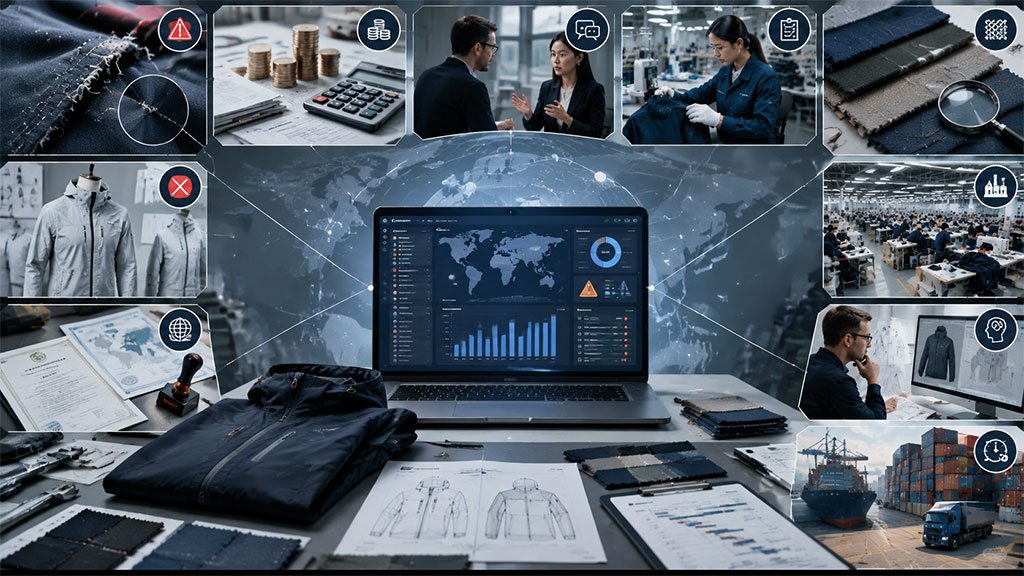
10 ODM Apparel Supplier Risks Brands Should Avoid Before Production
1. Choosing an ODM Supplier Based Only on Low Price
Price is important, but selecting the cheapest supplier often creates long-term risks. Low-cost suppliers may lack:- Product development experience
- Technical expertise
- Quality control systems
- Fabric knowledge
- Previous ODM projects
- Similar product experience
- Technical development capability
- Sample quality
2. Unclear Product Development Process
A professional ODM supplier should have a structured development workflow.
Without clear processes, brands may experience:
- Incorrect specifications
- Multiple sample revisions
- Communication problems
- Delayed production schedules
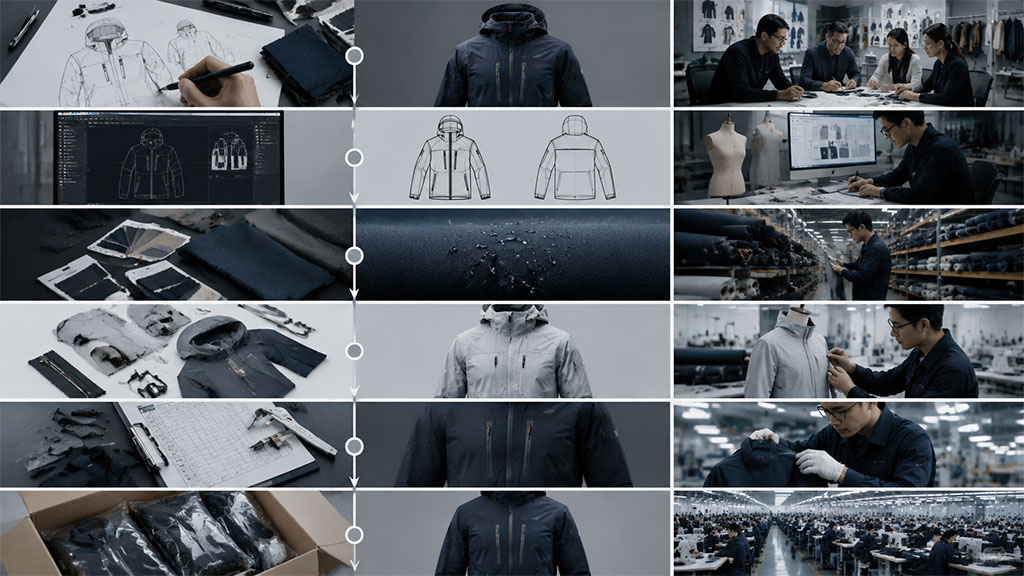
A typical ODM process includes:
- Product concept discussion
- Technical development
- Fabric sourcing
- Sample creation
- Fit adjustment
- PPS approval
- Bulk production
Brands should choose suppliers with transparent development procedures.
3. Poor Sample Quality Before Bulk Production
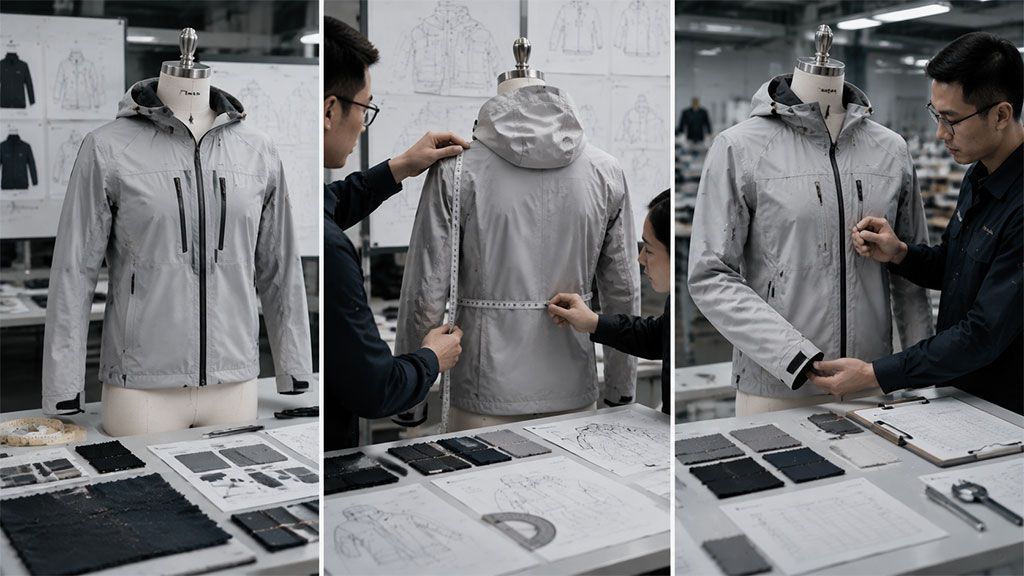
Samples represent the supplier’s actual production capability. Before bulk manufacturing, brands should evaluate:- Fabric performance
- Sewing quality
- Measurements
- Functional details
- Finishing quality
| Sample Type | Purpose |
|---|---|
| Proto Sample | Confirm initial design concept |
| Fit Sample | Check sizing and garment structure |
| PPS Sample | Approve final production standard |
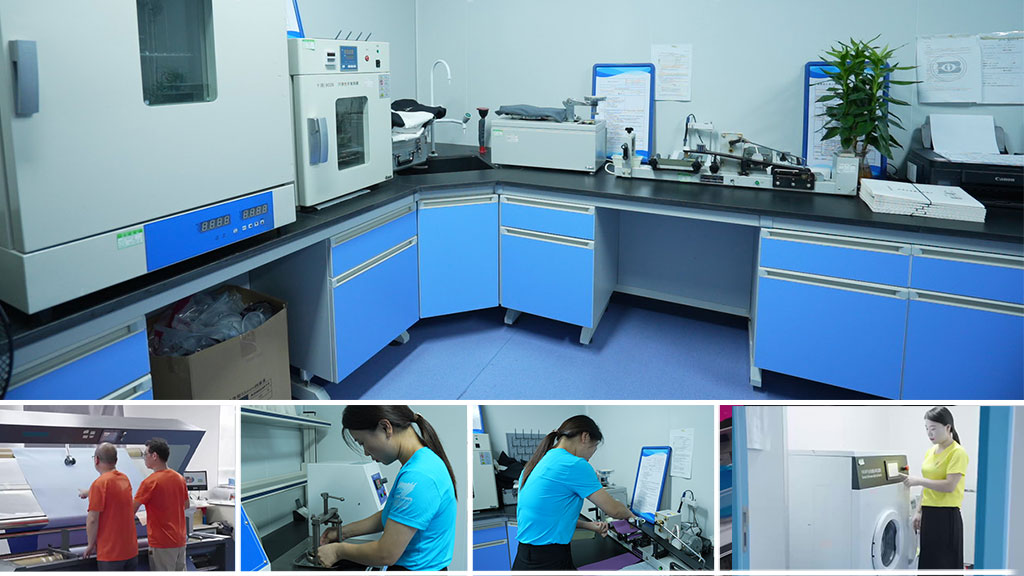
4. Lack of Fabric Knowledge and Testing Capability
For technical apparel, fabric performance directly affects product success.
Products such as:
- Outdoor jackets
- Softshell jackets
- Performance shirts
- Activewear
require professional material knowledge.
Brands should evaluate whether suppliers understand:
- Waterproof performance
- Breathability
- Fabric durability
- Chemical compliance
Brands Should Request:
- Fabric specifications
- Test reports
- Certification documents
A supplier with strong fabric knowledge can help brands develop better-performing products.
5. Hidden Production Costs
Some suppliers offer attractive initial prices but add unexpected costs later. Common hidden costs include:- Sample fees
- Pattern development charges
- Testing costs
- Packaging customization
- Revision fees
| Cost Area | Examples |
|---|---|
| Development | Patterns, samples |
| Materials | Fabrics and trims |
| Manufacturing | Cutting and sewing |
| Quality Control | Inspection |
| Logistics | Shipping preparation |
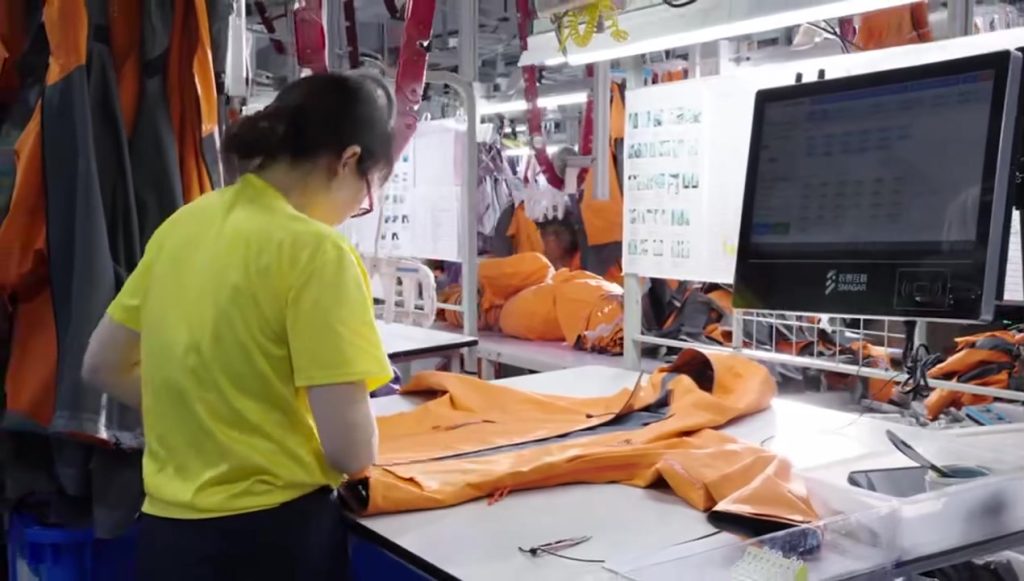
6. Weak Quality Control System
A reliable ODM supplier should have a complete quality management process.
Important QC stages include:
Material Inspection
Checking fabric and accessories before production.
Inline Inspection
Monitoring sewing quality and production issues.
Final Inspection
Confirming finished garment quality before shipment.
Brands should ask:
- What QC standards are followed?
- Are inspection reports available?
- How are defects managed?
A strong QC system helps maintain consistency between samples and bulk production.
7. Poor Communication and Project Management
ODM projects require continuous communication between brands and suppliers. Poor communication may cause:- Wrong material selection
- Incorrect specifications
- Approval delays
- Production mistakes
- Dedicated project contact
- Development updates
- Clear approval points
- Technical explanations
8. Lack of Compliance and Certification Support
Global apparel markets require increasing compliance standards.
Depending on the product and market, suppliers may need knowledge of:
- OEKO-TEX®
- GRS recycled materials
- GOTS organic textiles
- REACH requirements
- PFAS-free solutions
Brands should confirm whether suppliers can provide:
- Testing reports
- Material certifications
- Compliance documents
Compliance capability is especially important for international apparel brands.
9. Insufficient Production Capacity
Some suppliers can develop good samples but cannot handle large production orders. Before cooperation, brands should evaluate:- Factory capacity
- Equipment availability
- Workforce stability
- Production planning
- What is the monthly production capacity?
- What products does the factory specialize in?
- How are peak seasons managed?
10. Choosing Price Instead of Long-Term Value
The cheapest supplier is not always the best manufacturing partner.
A valuable ODM supplier provides:
- Product development support
- Stable quality
- Technical solutions
- Reliable communication
- Long-term cooperation
The goal is not simply finding the lowest factory price.
The goal is finding a partner that helps brands successfully develop and scale products.
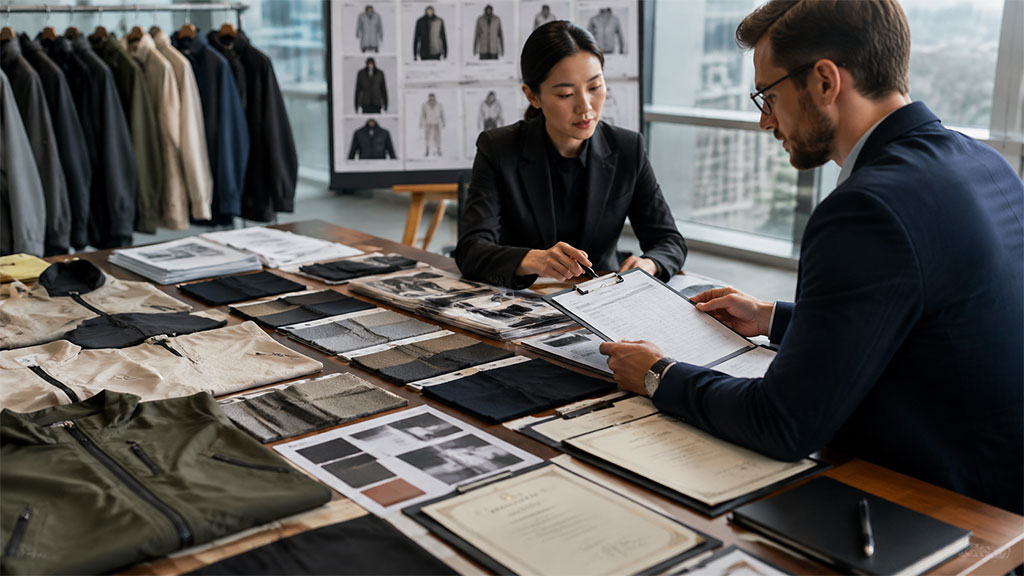
ODM Apparel Supplier Evaluation Checklist Before Cooperation
Before starting a production partnership, clothing brands should evaluate ODM suppliers through multiple areas, including product development capability, technical expertise, manufacturing capacity, quality systems, and communication efficiency. A reliable ODM supplier should not only manufacture garments but also provide professional support throughout the product development process.Supplier Evaluation Checklist
| Evaluation Area | Key Questions Brands Should Ask |
|---|---|
| ODM Experience | Has the supplier developed similar apparel products before? |
| Product Development | Can they support design improvement and technical solutions? |
| Fabric Capability | Do they understand performance materials and fabric testing? |
| Sample Development | Can they provide Proto, Fit, and PPS samples? |
| Quality Control | What inspection procedures are used during production? |
| Compliance Support | Can they provide certifications and testing documents? |
| Communication | Is there a dedicated project manager for updates and approvals? |
| Production Capacity | Can they meet order quantities and delivery schedules? |
Key Factors to Verify Before Selecting an ODM Partner
1. Product Development Capability
A professional ODM supplier should have experience beyond basic manufacturing. Brands should evaluate whether the supplier can support:- Product concept improvement
- Technical design development
- Pattern optimization
- Material recommendations
- Sample adjustments
2. Manufacturing and Quality Management
Production capability should match the brand’s requirements. Brands should review:- Factory production capacity
- Manufacturing processes
- Quality control standards
- Inspection procedures
- Incoming material inspection
- Production quality monitoring
- Final garment inspection
3. Technical Fabric Knowledge
For performance apparel and outdoor products, material expertise is essential. A capable ODM partner should understand:- Waterproof fabrics
- Breathable membranes
- Recycled materials
- Functional textiles
- Sustainable solutions
- Product performance
- Customer satisfaction
- Brand reputation
Why Choose an Experienced ODM Apparel Partner?
Working with an experienced ODM supplier allows brands to reduce development risks and improve production efficiency.
A professional ODM partner provides value in several areas:
Faster Product Development
Experienced suppliers understand apparel development workflows and can help brands move from concept to production more efficiently.
They can support:
- Design refinement
- Material selection
- Sample optimization
- Production preparation
Better Product Quality Control
ODM partners with mature manufacturing systems can identify potential issues before bulk production.
Benefits include:
- Fewer production defects
- More consistent quality
- Reduced rework costs
- Better delivery reliability
Stronger Supply Chain Support
A reliable ODM supplier can help brands manage:
- Fabric sourcing
- Production planning
- Compliance requirements
- Quality documentation
This creates a more stable and efficient supply chain.
Conclusion: Select an ODM Partner, Not Just a Factory
Choosing the right ODM apparel supplier is a strategic decision that affects product quality, production efficiency, and long-term brand growth.
The best ODM partners provide more than manufacturing capacity. They combine:
- Product development expertise
- Technical fabric knowledge
- Professional sample development
- Quality management systems
- Compliance support
- Transparent communication
By evaluating supplier capability before production, clothing brands can avoid costly mistakes and build stronger manufacturing partnerships.
A successful apparel product starts with selecting the right development and manufacturing partner.
Frequently Asked Questions (FAQ)
1. What should brands check before choosing an ODM apparel supplier?
Brands should evaluate:- ODM development experience
- Product categories produced
- Sample quality
- Fabric knowledge
- Quality control systems
- Compliance capability
- Production capacity
- Communication process
2. What is the difference between an ODM apparel supplier and an OEM manufacturer?
An ODM apparel supplier provides product development support in addition to manufacturing. ODM services usually include:- Design improvement
- Material selection
- Technical development
- Sample creation
- Production support
3. How can brands verify an ODM clothing supplier?
Brands can verify suppliers by reviewing:- Previous projects
- Product samples
- Factory capability
- Quality control procedures
- Testing reports
- Certifications
4. What documents should an ODM supplier provide?
A professional ODM supplier should provide relevant documentation, including:- Product specifications
- Fabric information
- Test reports
- Certification documents
- Quality inspection records
5. How long does ODM apparel development usually take?
The timeline depends on product complexity, materials, and customization requirements. A typical ODM development process may include:- Initial discussion: 1–2 weeks
- Sample development: 2–6 weeks
- Approval process: 1–3 weeks
- Bulk production: 4–12 weeks
6. What are the biggest risks when choosing an ODM apparel supplier?
The most common risks include:- Selecting suppliers based only on price
- Poor sample quality
- Weak technical capability
- Unclear development processes
- Hidden costs
- Weak quality control
- Poor communication
- Lack of compliance support
Written by Simmerui Apparel Manufacturing Team.
We are provided OEM and ODM apparel manufacturing solutions for global clothing brands, startups, and outdoor apparel companies.
With expertise in apparel product development, technical fabrics, garment manufacturing, and quality management, the team helps brands reduce production risks and build reliable supply chain partnerships.