
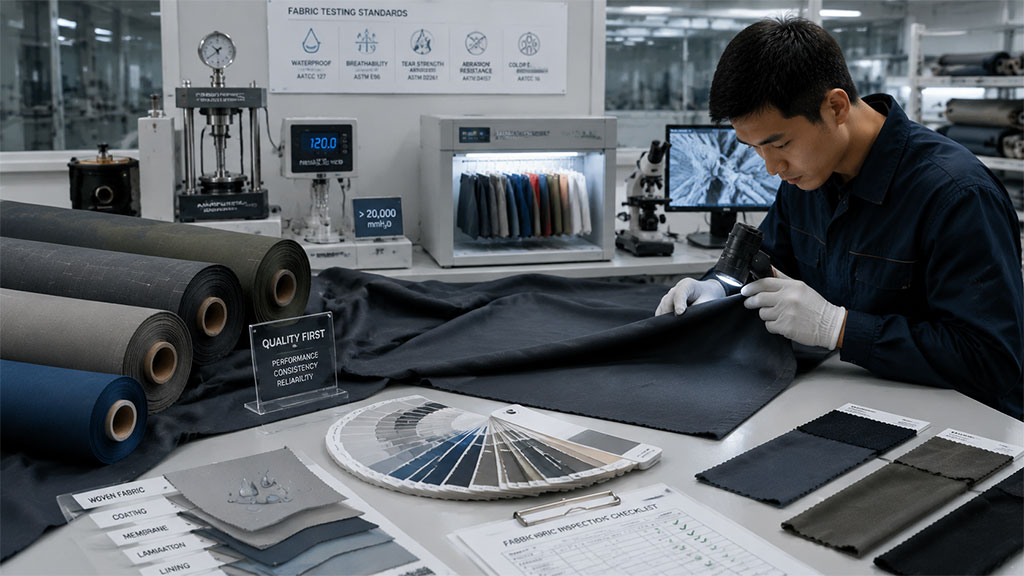
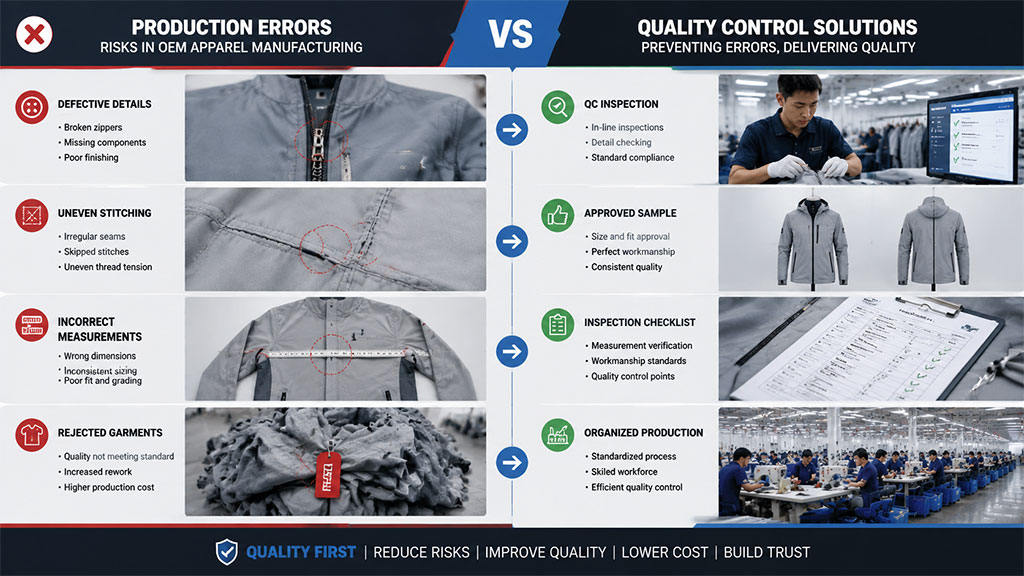
Bulk apparel production errors can result in delays, increased costs, product returns, and brand reputation risks. These problems often come from unclear specifications, material inconsistencies, communication gaps, and weak production control. Professional OEM clothing manufacturers reduce these risks through structured quality control processes, including tech pack reviews, sample approvals, fabric inspections, inline inspections, and final quality checks to ensure consistent garment quality.
Introduction: Why Bulk Production Quality Control Matters for Apparel Brands
Launching a successful apparel collection requires more than finding a factory with sufficient production capacity. For fashion brands, retailers, and emerging clothing companies, the biggest challenges often appear during the bulk manufacturing stage.A small mistake during production can create significant problems. Issues with fabric selection, measurement specifications, garment construction, artwork placement, or packaging requirements may lead to:
- production delays
- increased manufacturing costs
- product returns
- customer complaints
- damage to brand reputation
Common Reasons Why Bulk Apparel Production Errors Happen
1. Incomplete or Incorrect Tech Pack Information
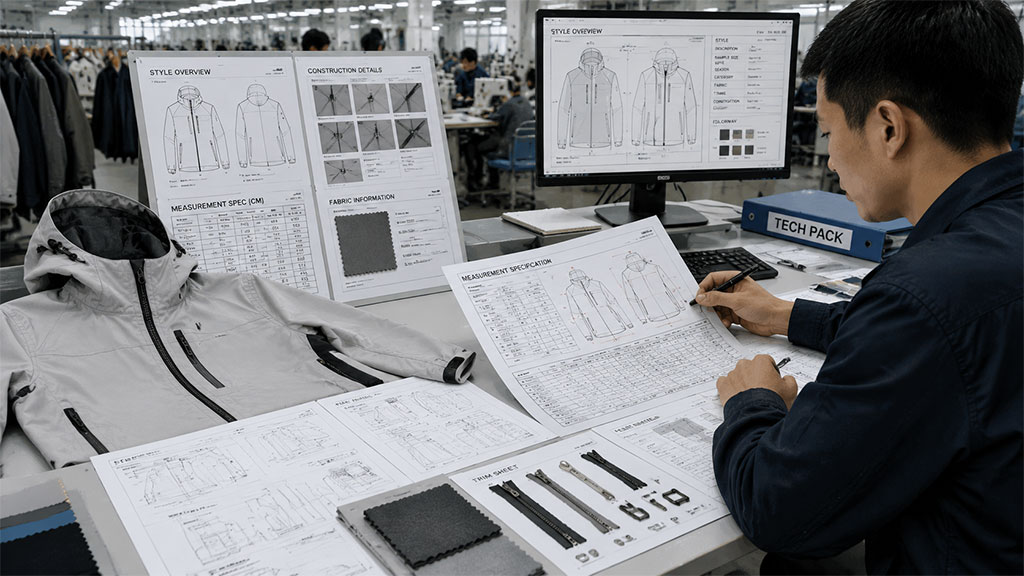
A tech pack is the foundation of apparel manufacturing. It provides factories with the technical information required to develop and produce garments accurately.
When product specifications are unclear or incomplete, manufacturers may misunderstand important details such as:
- garment measurements
- fabric requirements
- stitching construction
- logo placement
- labeling instructions
- packaging standards
Even a small misunderstanding in the development stage can result in thousands of incorrect garments during bulk production.
Professional OEM manufacturers usually conduct a detailed tech pack review before production begins. Critical specifications are confirmed through sample development and approval processes to ensure that both the brand and factory have the same production expectations.
A complete and accurate tech pack reduces communication risks and creates a clear production reference for every manufacturing stage.
2. Fabric Quality Inconsistency
Fabric quality problems are one of the most common causes of bulk apparel production issues.
Since garments depend heavily on material performance and consistency, fabric problems can directly affect final product quality.
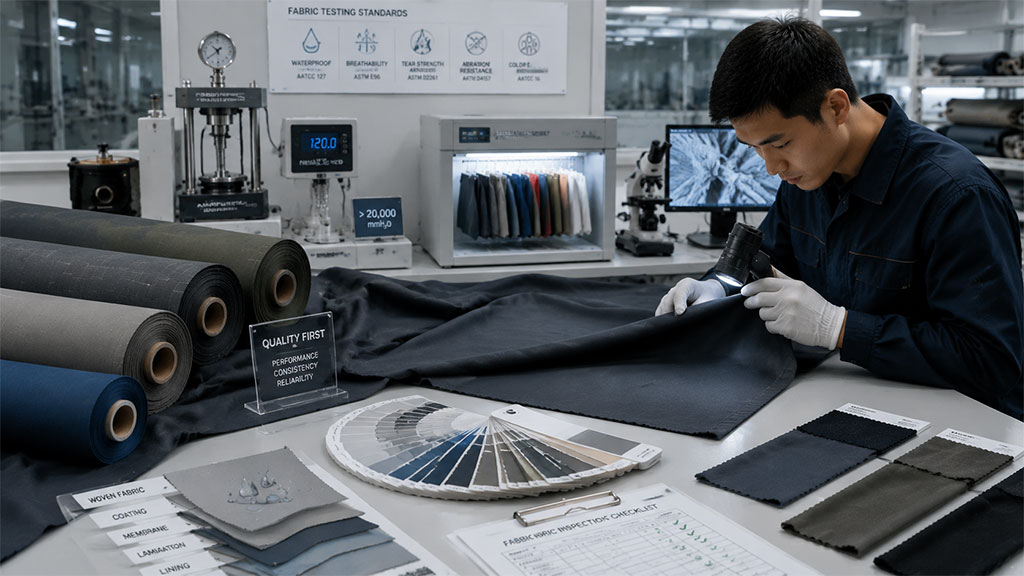
Common fabric-related risks include:
- color variation between production batches
- incorrect fabric weight
- unexpected shrinkage after washing
- insufficient waterproof performance
- inconsistent recycled material content
For technical apparel categories such as outdoor jackets, performance wear, and functional clothing, fabric verification becomes especially important because material performance directly influences product functionality.
Professional factories reduce fabric-related risks through:
- fabric inspection before cutting
- laboratory testing
- color approval procedures
- performance verification
By confirming material quality before bulk production starts, manufacturers can prevent costly issues caused by unsuitable or inconsistent fabrics.
3. Poor Communication Between Brand and Factory
Many apparel production problems are not caused by manufacturing capability but by communication gaps between brands and suppliers.
During product development, unclear information or delayed feedback can create production mistakes.
Common communication problems include:
- unclear design expectations
- missing revision records
- delayed approvals
- incomplete artwork files
- inconsistent measurement updates
A professional OEM clothing manufacturer usually establishes clear communication checkpoints throughout the development process.
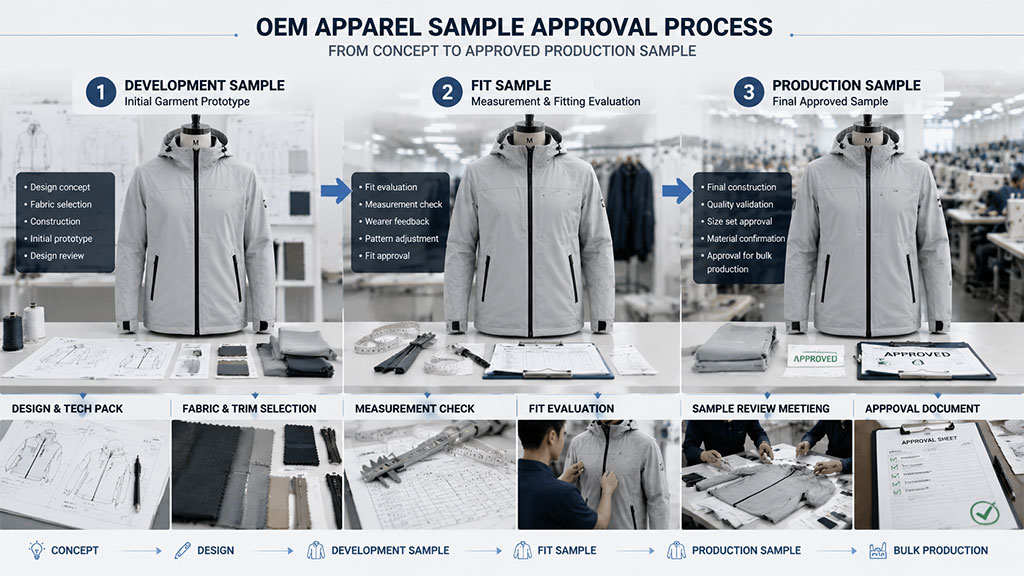
A typical production approval workflow includes:
Development Sample
Used to confirm:
- initial design concept
- construction method
- material selection
- manufacturing feasibility
Fit Sample
Used to verify:
- garment measurements
- wearing comfort
- size accuracy
- fitting adjustments
Production Sample (PPS)
Used as the final production reference before bulk manufacturing.
The PPS confirms:
- approved fabric
- approved trims
- approved workmanship
- approved packaging details
Clear communication and approval procedures help prevent production errors before they reach the bulk manufacturing stage.
4. Lack of Production Process Control
Bulk apparel manufacturing involves multiple production stages, including:- fabric cutting
- sewing assembly
- printing or embroidery
- washing
- finishing
- packaging
- uneven stitching
- incorrect garment measurements
- missing trims
- printing defects
- incorrect labels
- production SOPs
- worker training
- inline inspection
- process monitoring
How OEM Clothing Factories Prevent Bulk Production Errors
1. Pre-Production Quality Planning
Before bulk manufacturing begins, professional OEM factories conduct detailed preparation and risk evaluation.
Key activities include:
- tech pack review
- material confirmation
- sample approval
- production risk assessment
This stage allows manufacturers and brands to identify potential problems before they become expensive production failures.
Effective pre-production planning improves communication, reduces unexpected changes, and creates a stronger foundation for successful bulk manufacturing.
2. Multiple Sample Approval Stages
Professional apparel production rarely moves directly from initial design concepts to bulk manufacturing.
Before mass production begins, OEM clothing manufacturers usually complete multiple sample stages to confirm product details, identify potential issues, and ensure that the final garment meets buyer expectations.
Common sample approval stages include:
Development Sample
The development sample is used to evaluate the initial product concept and manufacturing feasibility.
It helps confirm:
- design concept
- construction method
- initial materials
- production requirements
At this stage, brands and factories can identify technical challenges and make necessary adjustments before moving forward.
Fit Sample
The fit sample focuses on garment sizing, measurements, and wearing performance.
It is used to confirm:
- garment measurements
- wearing comfort
- size accuracy
- fitting adjustments
Accurate fit approval helps prevent large-scale sizing problems during bulk production.
Production Sample (PPS)
The Production Sample (PPS) serves as the final production reference before bulk manufacturing begins.
The PPS confirms:
- approved fabric
- approved trims
- approved workmanship
- approved packaging
Once the PPS is approved, the factory can use it as the standard reference for production quality control.
A structured sample approval process reduces uncertainty and ensures that both the brand and manufacturer share the same expectations before production starts.
3. Inline Quality Inspection During Production
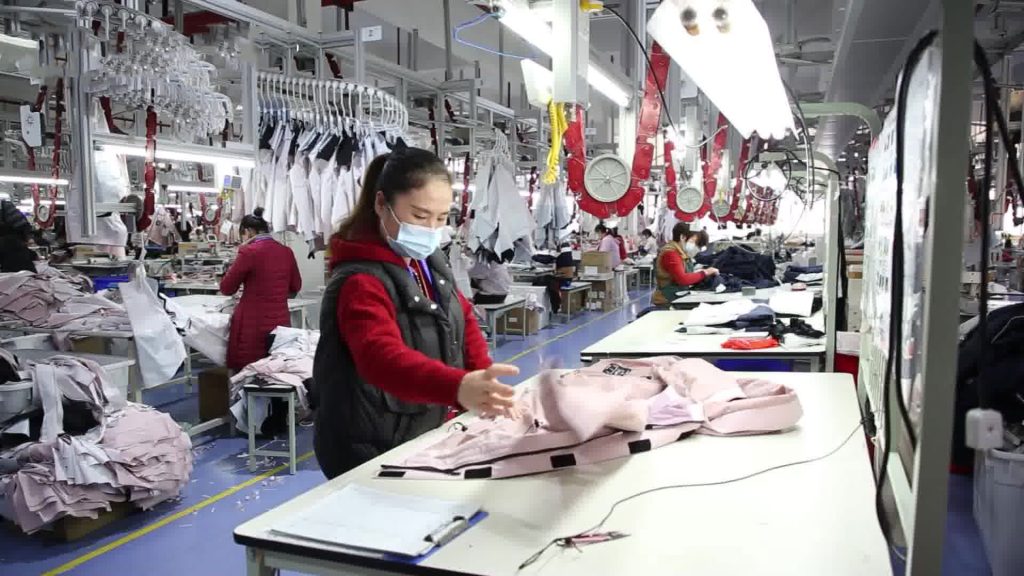
Waiting until final inspection to discover production problems creates unnecessary risks. Professional OEM factories conduct quality inspections during the manufacturing process to identify and correct issues at an early stage. Inline inspection typically checks:- sewing quality
- garment measurements
- appearance
- workmanship
- production consistency
- rework costs
- production delays
- material waste
4. Final Quality Control Before Shipment
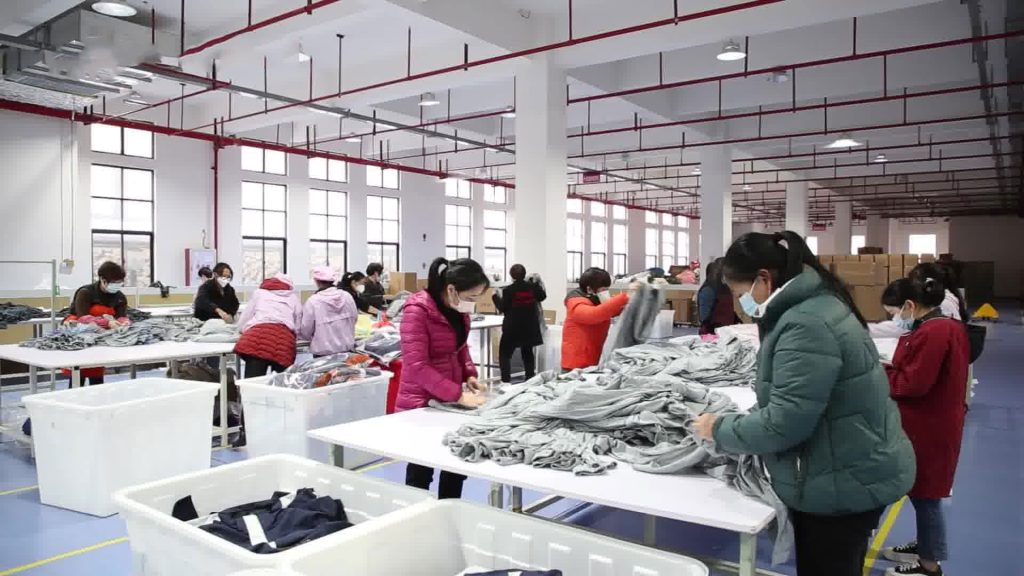
Before shipment, apparel manufacturers perform final quality inspections based on buyer requirements and agreed quality standards. Final inspection usually verifies:- garment appearance
- size measurements
- stitching strength
- accessories
- labeling
- packaging
- AQL inspection systems
- customer-specific QC requirements
- internal factory inspection procedures
Bulk Production Quality Control Workflow From Design Approval to Shipment
A professional apparel manufacturing quality control workflow usually follows several key stages.Step 1: Product Development
The buyer provides:- design concept
- tech pack
- reference samples
- development sample
- manufacturing feedback
Step 2: Material Verification
Before production begins, the factory checks:- fabric quality
- trims
- accessories
Step 3: Sample Approval
The buyer confirms:- fit
- construction
- final product details
Step 4: Bulk Manufacturing
During production, the factory controls:- cutting accuracy
- sewing quality
- production consistency
Step 5: Final Inspection
Before shipment, the factory verifies:- finished garment quality
- packaging requirements
- shipment readiness
How Brands Can Reduce Apparel Manufacturing Risks
Before selecting an OEM clothing manufacturer, brands should evaluate several important factors.
Manufacturing Experience
A manufacturer’s experience with similar products can directly influence production reliability.
Brands should check whether the factory has experience producing categories such as:
- jackets
- hoodies
- outdoor apparel
- performance wear
Manufacturers with relevant experience usually understand product-specific requirements, construction challenges, and quality expectations.
Quality Control System
Brands should evaluate the factory’s quality management process, including:
- inspection procedures
- testing standards
- production checkpoints
A reliable OEM partner should have a structured system to identify and solve quality issues throughout production.
Communication Ability
Effective communication is essential for successful apparel production.
A reliable supplier should provide:
- clear production updates
- sample feedback
- problem-solving solutions
Strong communication reduces misunderstandings and helps brands respond quickly when production challenges occur.
FAQ: Bulk Apparel Production Errors and Quality Control
1.What are the most common apparel manufacturing errors?
The most common apparel production errors include incorrect measurements, fabric problems, sewing defects, printing mistakes, missing trims, and packaging errors. These issues usually happen because of unclear specifications, insufficient communication, or weak production control processes.2.How do OEM factories prevent bulk production mistakes?
OEM clothing manufacturers prevent production mistakes through structured quality control systems, including:- tech pack reviews
- sample approval processes
- fabric inspections
- inline quality checks
- final inspections before shipment
3.Why is sample approval important before bulk production?
Sample approval allows brands and factories to confirm product details before thousands of garments are manufactured. It reduces risks related to:- garment fit
- construction
- materials
- appearance
- packaging requirements
4.How can buyers check a clothing manufacturer’s quality control system?
Buyers should evaluate:- production inspection procedures
- sample approval workflow
- fabric testing capability
- quality standards
- previous manufacturing experience
5.What quality documents should apparel factories provide?
Depending on the product requirements, factories may provide:- inspection reports
- fabric test reports
- material certificates
- production approval records
- compliance documents
Final Thoughts
Bulk production errors can create significant costs for apparel brands, but most manufacturing problems can be prevented through proper planning, communication, and quality control processes.
Choosing an experienced OEM clothing manufacturer with a strong apparel manufacturing quality control system helps brands achieve:
- consistent garment quality
- fewer production delays
- lower manufacturing risks
- smoother product launches
A professional apparel manufacturing partner does more than produce garments. They help brands manage the complete journey from product development and material selection to quality control and successful market delivery.
Written by the Simmerui Apparel Manufacturing Team
Simmerui specializes in OEM and ODM apparel production for global B2B brands, providing integrated solutions across product development, fabric sourcing, sampling, quality control, and scalable manufacturing.
Our experience covers outdoor apparel, performance wear, casual clothing, and private label collections. We help brands reduce production risks, optimize manufacturing processes, and build reliable long-term apparel production partnerships.