Developing a high-performance waterproof jacket requires more than garment production capability. Outdoor brands need a manufacturing partner that understands technical fabrics, waterproof construction, functional design, and quality control. This case study explains how our OEM team helped a European outdoor brand transform an initial jacket concept into a market-ready technical outerwear collection through material selection, prototype development, PPS approval, and reliable bulk production.
Introduction
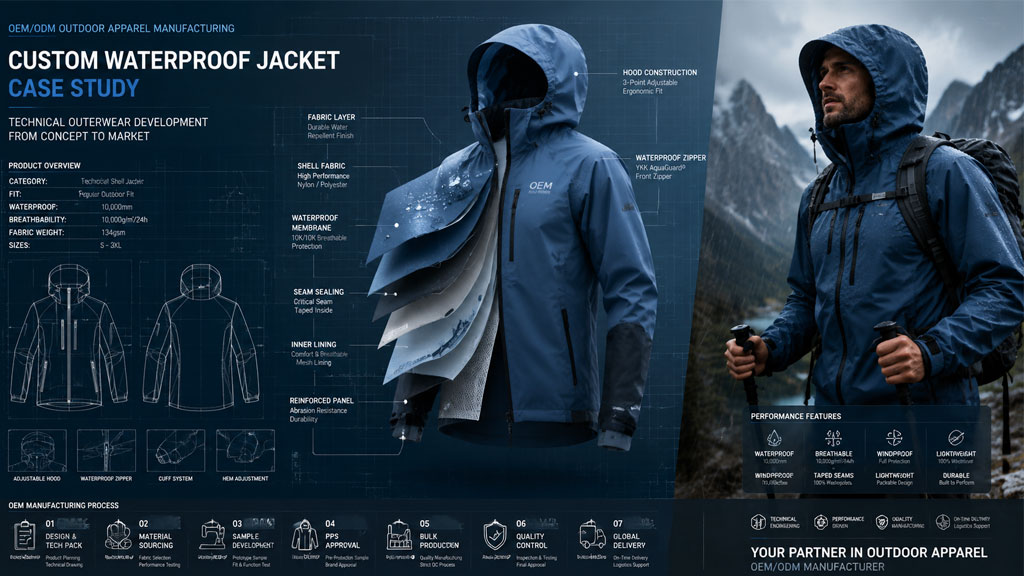
Outdoor apparel brands increasingly demand waterproof jackets that combine technical performance, lightweight comfort, and commercial design appeal. However, turning a product concept into a production-ready waterproof jacket requires professional OEM manufacturing expertise — especially in areas such as:- Waterproof fabric selection
- Seam sealing technology
- Functional pattern development
- Hardware customization
- Production quality control
1. Project Background: Developing a Market-Ready Waterproof Jacket
A European outdoor apparel brand approached our team to develop a custom waterproof jacket collection designed for:
- Hiking activities
- Urban outdoor lifestyles
- Travel applications
- Daily weather protection
The brand needed an experienced OEM waterproof jacket manufacturer capable of managing the complete development process:
Concept → Fabric Selection → Prototype → PPS Approval → Bulk Production
The project requirements included:
| Project Requirement | Development Goal |
|---|---|
| Product Type | Custom Waterproof Outdoor Jacket |
| Market Position | Mid-to-premium Outdoor Apparel |
| Target Users | Outdoor Enthusiasts & Lifestyle Consumers |
| Construction | Lightweight Waterproof Shell |
| Production Model | OEM Manufacturing |
| Branding | Private Label Customization |
Product Specification Table:
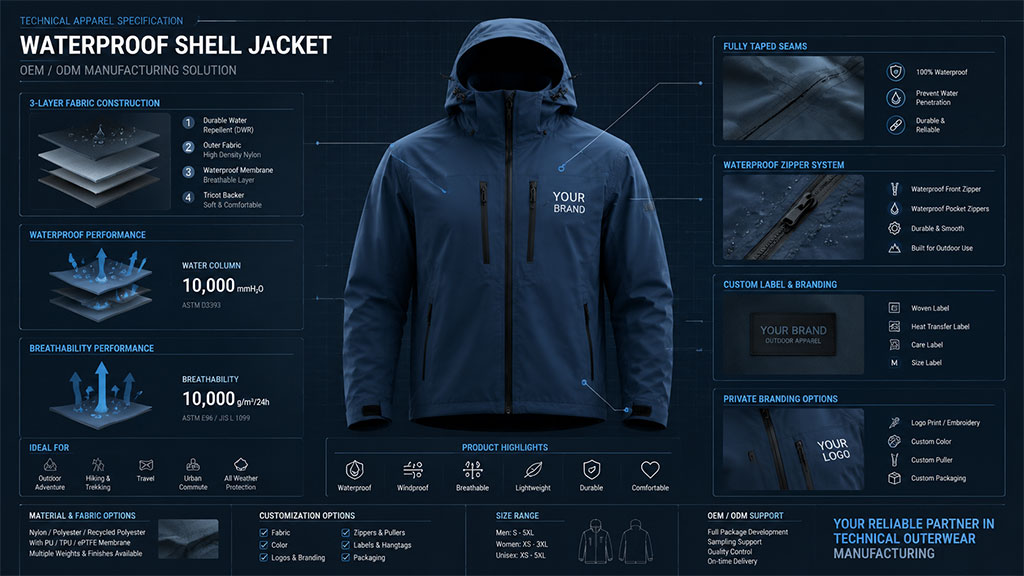
Custom Waterproof Jacket Technical Specification
| Category | Specification |
|---|---|
| Product Type | Custom Technical Waterproof Shell Jacket |
| Application | Hiking / Outdoor Activities / Urban Outdoor / Travel |
| Jacket Construction | Lightweight Waterproof Shell |
| Fabric Composition | 100% Nylon / Polyester Shell Fabric (Customized Options Available) |
| Fabric Weight | 70–120 GSM (Based on Design Requirements) |
| Fabric Structure | 3 Layer Waterproof Fabric System |
| Waterproof Rating | 15,000mm+ (Customized According to Market Position) |
| Breathability | 7,000 g/m²/24h (Customized Options) |
| Surface Treatment | Durable Water Repellent (DWR) Finish |
| Seam Construction | Fully Taped Waterproof Seams |
| Zipper System | Waterproof Front Zipper / YKK Compatible Options |
| Hood Design | Adjustable 3D Hood Construction |
| Cuff Design | Adjustable Hook & Loop Cuffs |
| Pocket System | Waterproof Zipper Pockets / Functional Outdoor Storage |
| Inner Construction | Mesh Lining / Bonded Structure Options |
| Label Solution | Custom Brand Label, Care Label, Size Label |
| Logo Application | Embroidery / Heat Transfer / Silicone Logo / Printing |
| Packaging | Custom Polybag, Hangtag, Carton Packing |
| Color Options | Pantone Matching Available |
| Size Range | XS–XXXL (Customized) |
| Production Model | OEM / ODM / Private Label |
| MOQ | Based on Fabric & Customization Requirements |
2. Main Development Challenges: Turning Concepts into Production
Challenge 1: Selecting the Right Waterproof Fabric System
The brand required a jacket that could provide:- Reliable waterproof protection
- Breathability during activity
- Lightweight wearing comfort
- Competitive production cost
- Waterproof breathable membrane fabrics
- Nylon and polyester shell fabrics
- Durable Water Repellent (DWR) finishes
- Lightweight technical textiles
- ✔ Waterproof rating requirements
- ✔ Breathability performance
- ✔ Durability expectations
- ✔ Target FOB cost
Challenge 2: Optimizing Technical Jacket Construction
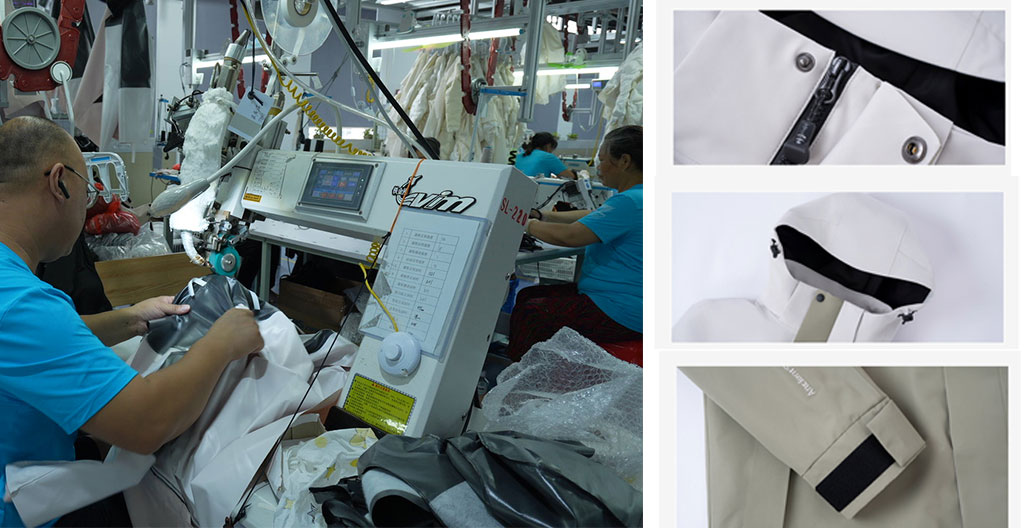
Waterproof jackets depend not only on fabric performance but also construction engineering. Our team optimized:Seam Sealing System
All critical seams were reviewed and reinforced with waterproof seam tape to reduce leakage risks.Waterproof Zipper Solutions
The zipper system was customized according to:- Front zipper protection
- Pocket accessibility
- Outdoor usage scenarios
Hood & Cuff Structure
Adjustable hood design and cuff construction were optimized to improve:- Wind protection
- Rain resistance
- Wearing comfort
3. OEM Waterproof Jacket Development Process
Step 1: Technical Review & Product Planning
The brand provided:
- Design references
- Size specifications
- Brand positioning
- Functional expectations
Our engineering team evaluated:
- Manufacturing feasibility
- Material solutions
- Construction methods
- Estimated production cost
A complete production plan was created before sampling.
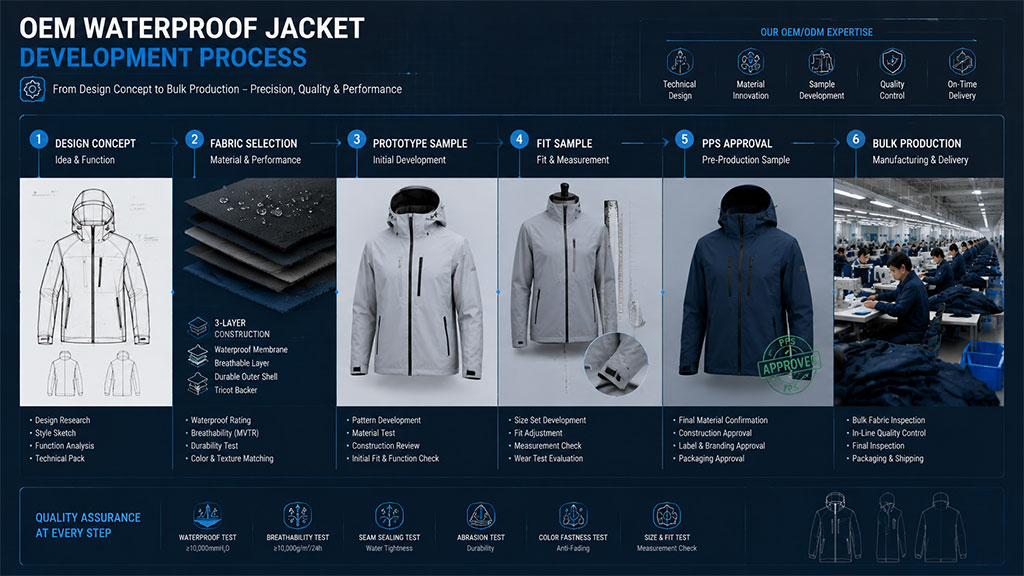
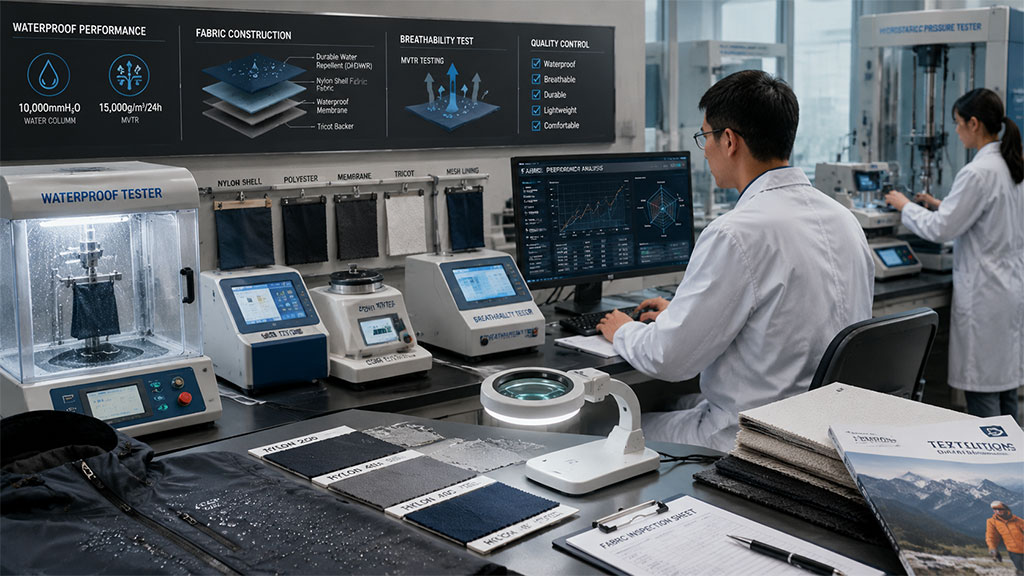
Step 2: Fabric Sourcing & Performance Evaluation
Before production, selected materials were evaluated for:
- Waterproof performance
- Breathability
- Fabric weight
- Hand feel
- Color options
- Production compatibility
For technical outerwear products, correct material selection directly affects:
- Product performance
- Customer satisfaction
- Brand reputation
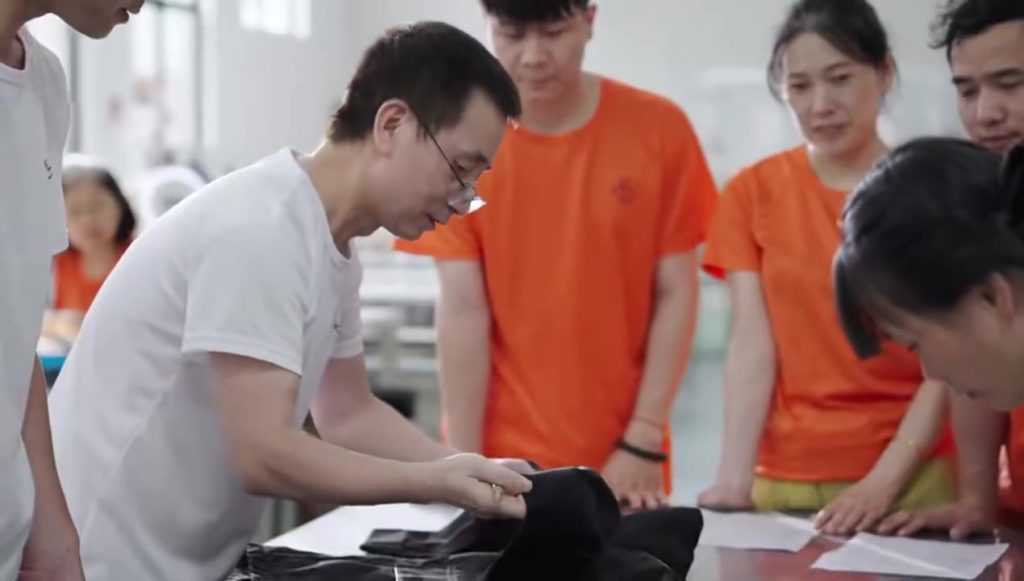
Step 3: Prototype Sample Development
The first prototype focused on:
- Overall silhouette
- Fit adjustment
- Functional details
- Pocket placement
- Hood structure
- Stitching quality
After sample review, improvements were made based on:
- Sleeve adjustment
- Fit refinement
- Logo placement
- Functional details
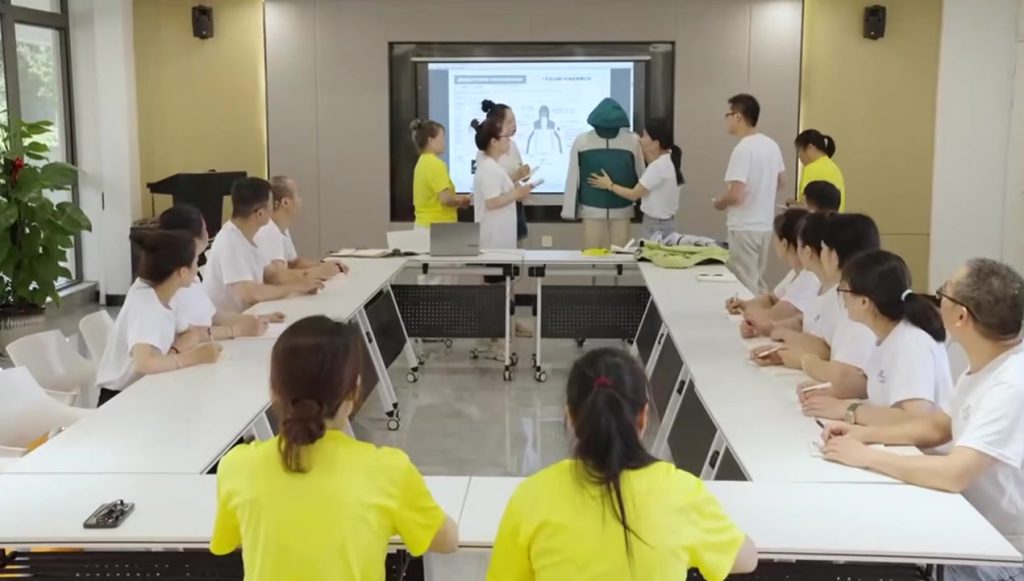
Step 4: PPS Sample Approval
Before bulk production, the final PPS sample confirmed:
- Fabric specification
- Color standard
- Measurements
- Construction details
- Labels
- Packaging requirements
This ensured production consistency between approved samples and mass production.
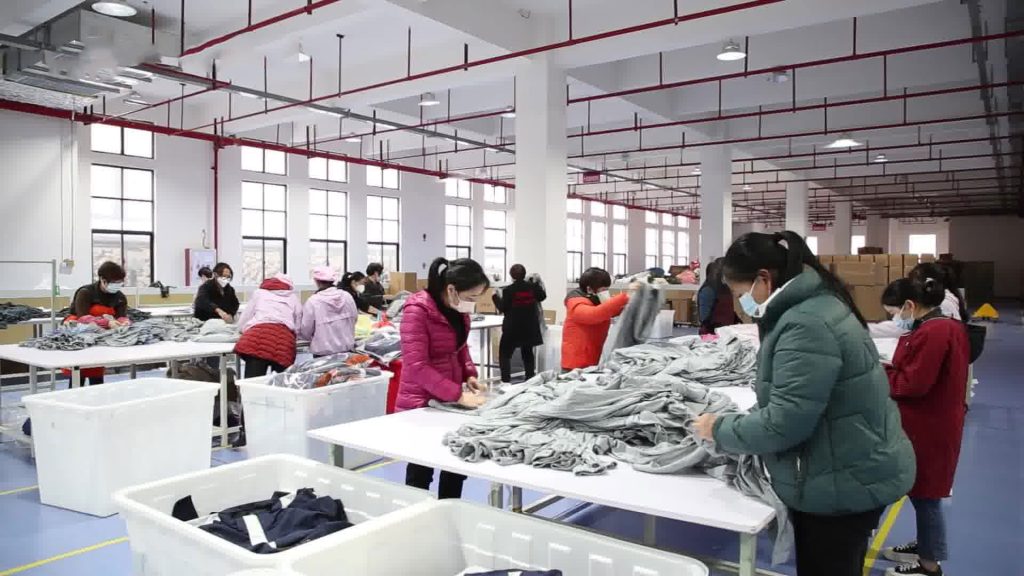
4. Manufacturing Process & Quality Control
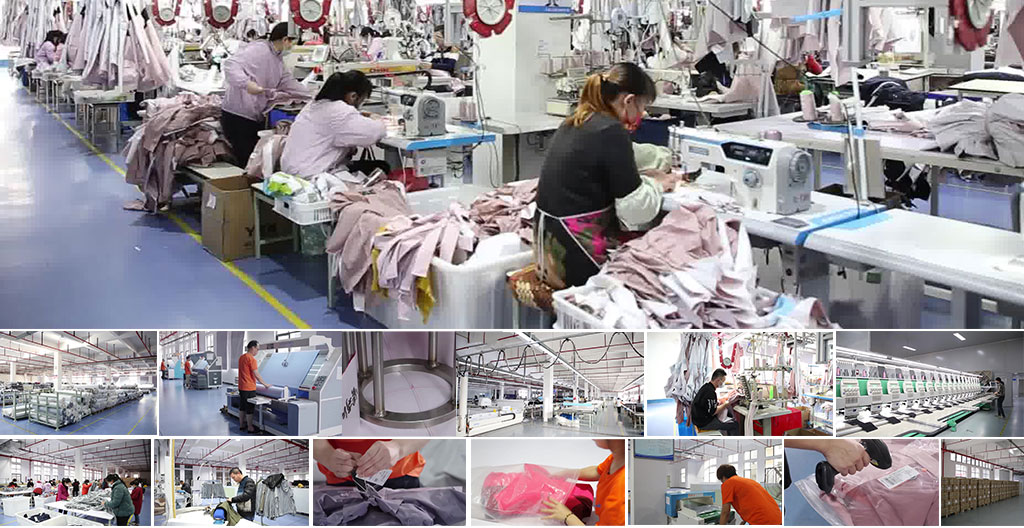
After PPS approval, bulk manufacturing started.
The production workflow included:
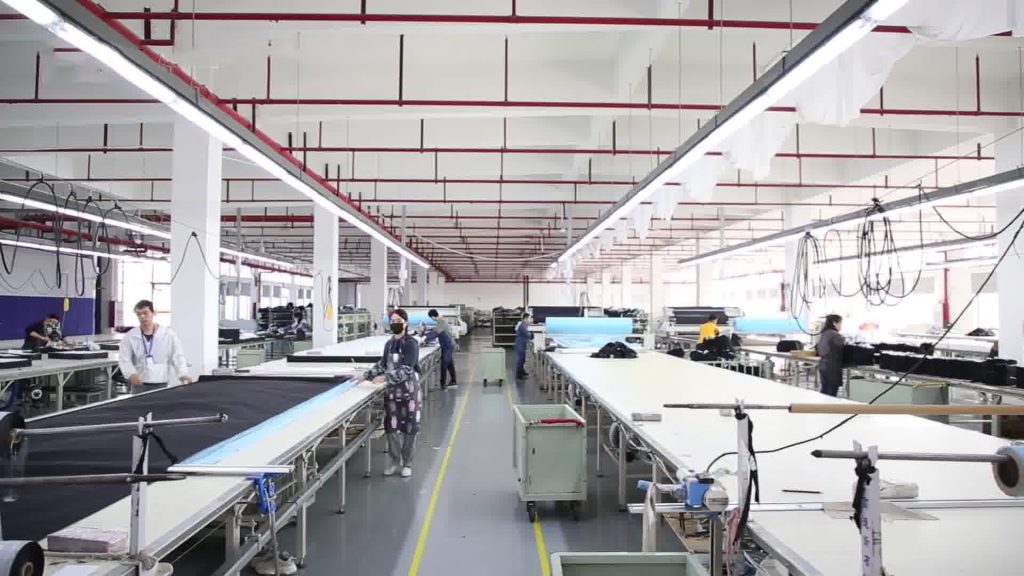
Cutting
Fabric panels were accurately cut according to approved patterns.
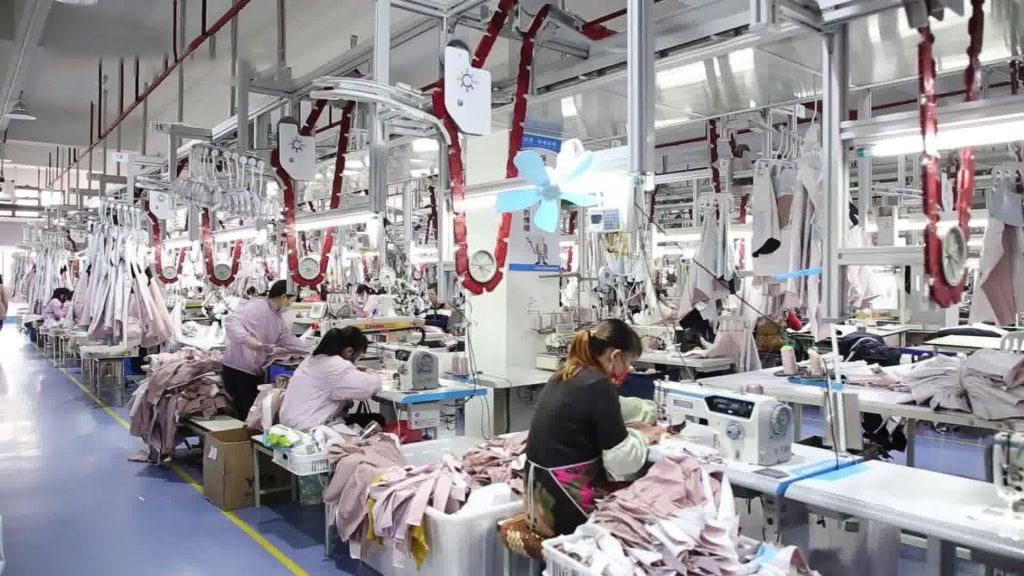
Sewing
Production teams assembled:- Shell panels
- Pocket systems
- Hood structures
- Reinforcement areas
Seam Sealing
Waterproof seam tape application was strictly controlled to maintain waterproof performance.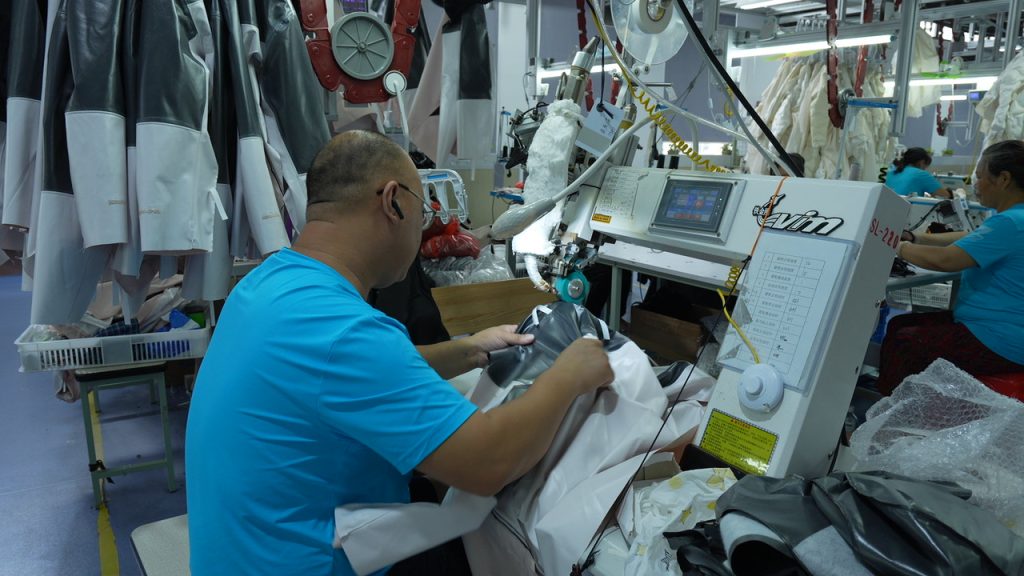
Quality Inspection
Final inspections included:- Measurement checking
- Stitching evaluation
- Functional testing
- Appearance inspection
- Packaging verification
5. Project Results: From Concept to Commercial Product
Through close cooperation between the brand team and our manufacturing engineers, the project achieved:
- ✅ Fully customized waterproof jacket collection
- ✅ Improved production feasibility
- ✅ Stable quality standards for retail launch
- ✅ Complete OEM support from development to manufacturing
The successful launch also created opportunities for continued seasonal outdoor apparel development.
Customization Options
| Custom Area | Available Options |
|---|---|
| Fabric | Nylon, Polyester, Recycled Fabric, Membrane Fabric |
| Color | Pantone Matching |
| Logo | Embroidery, Print, Silicone Logo |
| Label | Main Label, Care Label, Size Label |
| Hardware | Zipper, Puller, Cord Lock |
| Packaging | Hangtag, Polybag, Carton |
Performance Testing Specification
| Test Item | Purpose |
|---|---|
| Hydrostatic Pressure Test | Evaluate waterproof performance |
| Breathability Test | Measure moisture vapor transmission |
| Seam Leakage Test | Check waterproof seam reliability |
| Color Fastness Test | Ensure color durability |
| Fabric Abrasion Test | Evaluate outdoor durability |
6. Why Outdoor Brands Choose OEM Waterproof Jacket Manufacturing
Developing technical outerwear requires more than sewing capability. A professional OEM partner should provide:Technical Development Support
Including:- Fabric recommendations
- Pattern optimization
- Construction solutions
- Sample improvement
Flexible Customization
Brands can customize:- Fabrics
- Colors
- Labels
- Packaging
- Hardware
- Functional details
Production Reliability
Professional OEM manufacturers support:- Sampling management
- PPS approval
- Bulk production control
- Quality inspection
- Delivery coordination
7. Conclusion: Building Better Outdoor Products Through OEM Partnership
This waterproof jacket project demonstrates how outdoor brands can transform product ideas into market-ready technical apparel through experienced OEM manufacturing support.
From waterproof fabric selection and prototype development to bulk production and quality control, our team helps brands create reliable outdoor products designed for real-world performance.
Whether developing:
- Private label rain jackets
- Hiking shell jackets
- Technical outdoor collections
our OEM/ODM solutions support every stage of product development.
FAQ
1. What is the MOQ for custom waterproof jackets?
MOQ depends on:- Fabric selection
- Design complexity
- Customization requirements
- Production capacity
2. How long does it take to develop a custom waterproof jacket?
Typical development includes:- Design review
- Fabric sourcing
- Prototype sampling
- Sample revision
- PPS approval
3. Can brands customize waterproof jacket designs?
Yes. OEM customization options include:- Fabric selection
- Color matching
- Logo application
- Labels
- Packaging
- Functional design features
4. What waterproof tests are required for technical jackets?
Common evaluations include:- Hydrostatic pressure waterproof testing
- Breathability testing
- Seam performance inspection
- Fabric durability testing
5. Can OEM manufacturers support small outdoor brands?
Yes. Many OEM partners provide development support for emerging brands through:- Product consultation
- Sampling assistance
- Material recommendations
- Flexible production solutions
CTA
Develop Your Custom Waterproof Jacket Collection
Looking for an experienced OEM waterproof jacket manufacturer?
Contact our technical outerwear development team to discuss your next outdoor apparel project.