
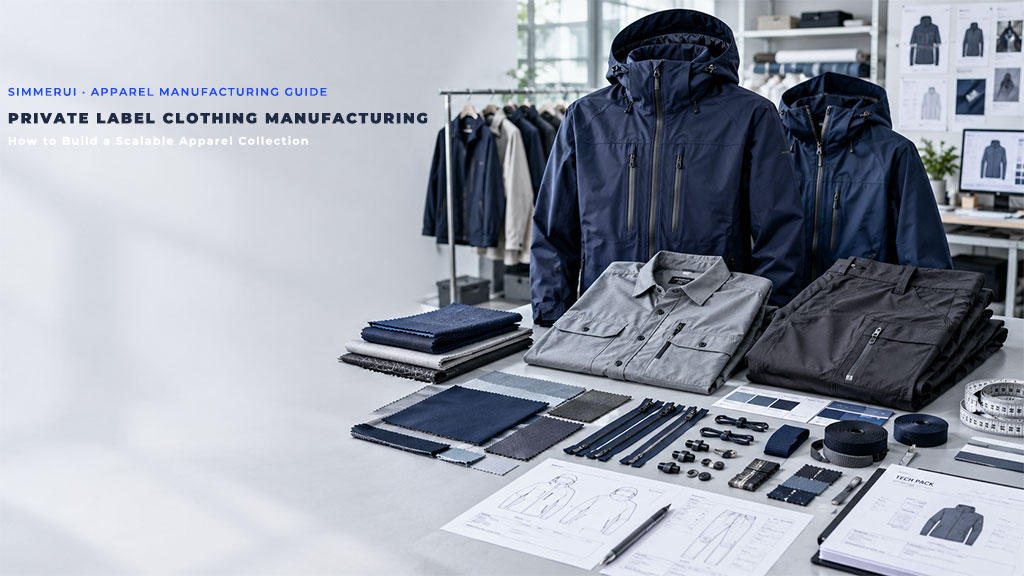
Building a scalable private label clothing collection requires more than choosing garment styles and adding a logo. Apparel brands need a structured manufacturing process that connects product planning, fabric sourcing, technical specifications, sampling, cost management, and quality control. By prioritizing core products, standardizing compatible components, approving samples, and documenting production requirements, brands can reduce development risks and prepare for repeat orders.
This guide explains how B2B apparel brands can build a coordinated collection with a manufacturing partner while maintaining product consistency, cost visibility, and production flexibility.Introduction: Turn Your Apparel Concept into a Scalable Collection
Launching a private label clothing collection involves balancing market demand, product quality, manufacturing feasibility, and long-term costs.
For emerging brands and established B2B apparel businesses, the challenge is not simply producing garments. It is creating a repeatable manufacturing system that supports future product development and bulk production.
A structured private label clothing manufacturing process helps brands coordinate materials, fit standards, construction details, sampling, and production planning from the beginning.
Case study note: This is an illustrative manufacturing scenario, not a verified Simmerui client project or a report of independently measured results.
1. Define a Focused Product Range Before Manufacturing
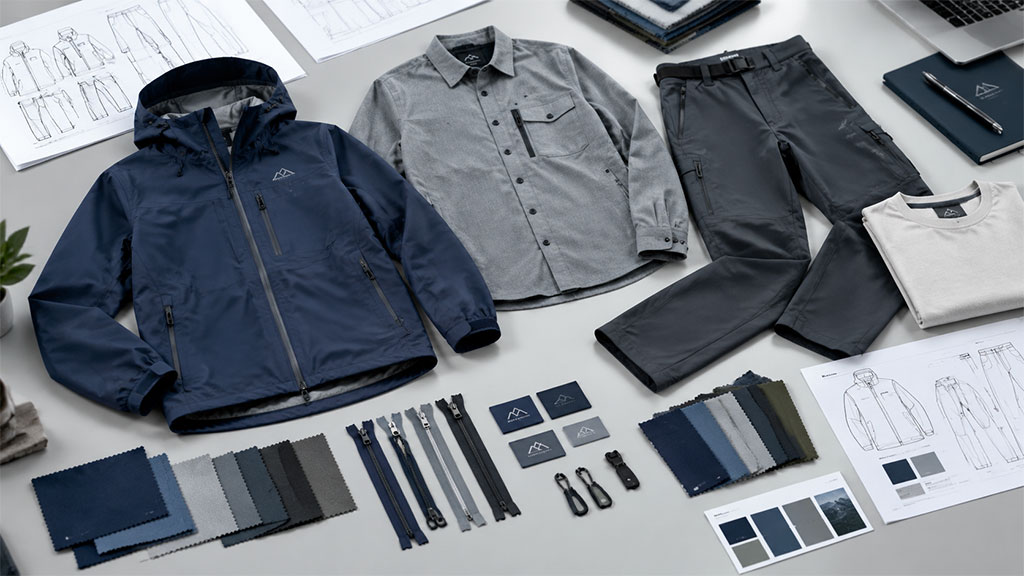
Imagine an apparel brand preparing to launch an outdoor and casual wear collection featuring lightweight jackets, overshirts, technical trousers, and everyday tops.
Developing every style, color, and fabric variation simultaneously can increase sampling costs, complicate sourcing, and create unnecessary production risks.
A more effective approach is to organize the collection into three groups:
- Core products: Prioritize styles that define the brand and validate their fit, materials, and market positioning.
- Supporting products: Develop complementary garments that create a coordinated collection.
- Future styles: Introduce additional products after reviewing initial demand and production performance.
Standardize Compatible Components
Where commercially appropriate, products can share zipper types, trim finishes, labeling systems, packaging requirements, color references, and technical documentation formats.
However, functional fabrics, seam construction, and fit specifications must remain appropriate to each garment’s intended use.
This approach simplifies supplier communication without compromising product performance.
2. Select Fabrics That Balance Performance and Cost
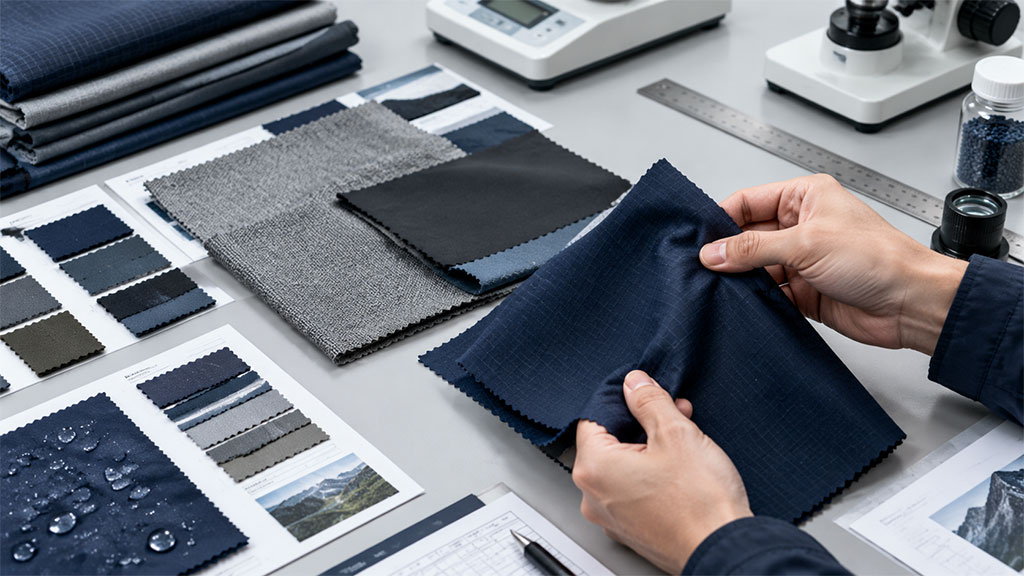
Fabric selection affects garment functionality, appearance, manufacturing complexity, and total production cost.
Before approving materials, brands should evaluate:
- Performance: Does the fabric meet the garment’s intended functional requirements?
- Cost: Does the material fit the target product budget and market positioning?
- Availability: Can the required colors, quantities, and specifications be sourced?
- Consistency: Can future orders maintain the approved material standard?
- Manufacturability: Is the fabric suitable for the planned cutting, sewing, and finishing processes?
- Compliance: Are applicable testing and restricted-substance requirements addressed?
For example, a technical shell jacket may require specialized fabric, seam construction, and performance testing, while a casual overshirt may prioritize comfort, appearance, and ease of production.
Confirm fabric composition, weight, color, finish, and relevant performance requirements before finalizing production specifications and costs.
3. Prepare Complete Tech Packs and Approve Samples
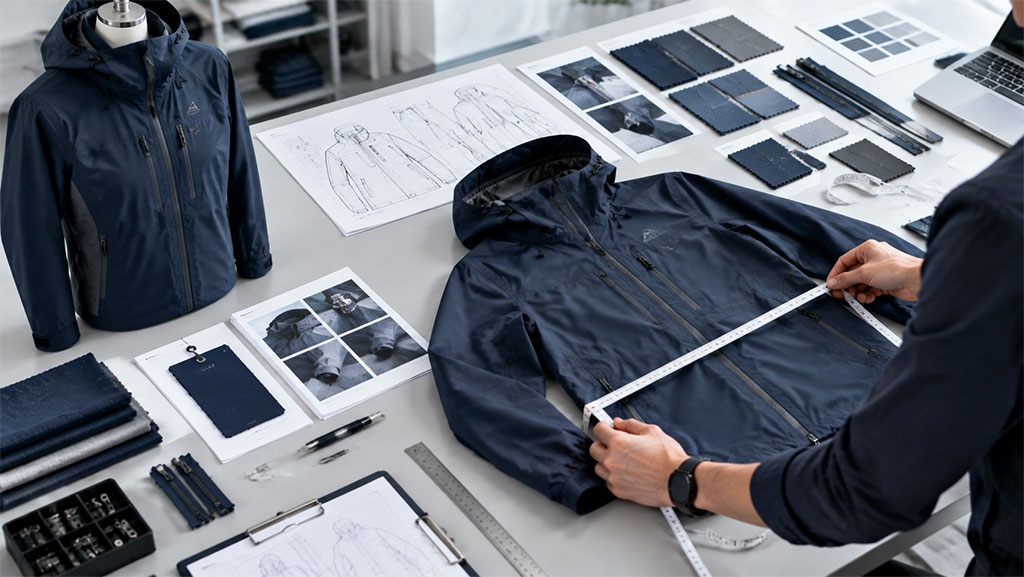
A technical package translates a brand’s design concept into actionable manufacturing instructions.
Depending on the product, a complete tech pack should include:
- Technical drawings and measurement charts.
- Fabric specifications and color references.
- Construction details and stitching requirements.
- Zippers, buttons, labels, and other trims.
- Logo placement, artwork, and packaging instructions.
Establish a Controlled Sampling Process
A practical apparel sampling workflow includes:
- Prototype sample: Evaluate design execution, appearance, and construction feasibility.
- Fit sample: Review measurements, proportions, mobility, and required adjustments.
- Pre-production sample: Confirm production materials, trims, construction, and approved specifications.
- Production readiness review: Verify that necessary approvals and quality requirements are documented.
Not every garment requires the same number of sampling rounds. Technical outerwear and performance apparel may need additional validation compared with simpler casual garments.
Bulk production should begin only after critical specifications, materials, and sample approvals are confirmed.
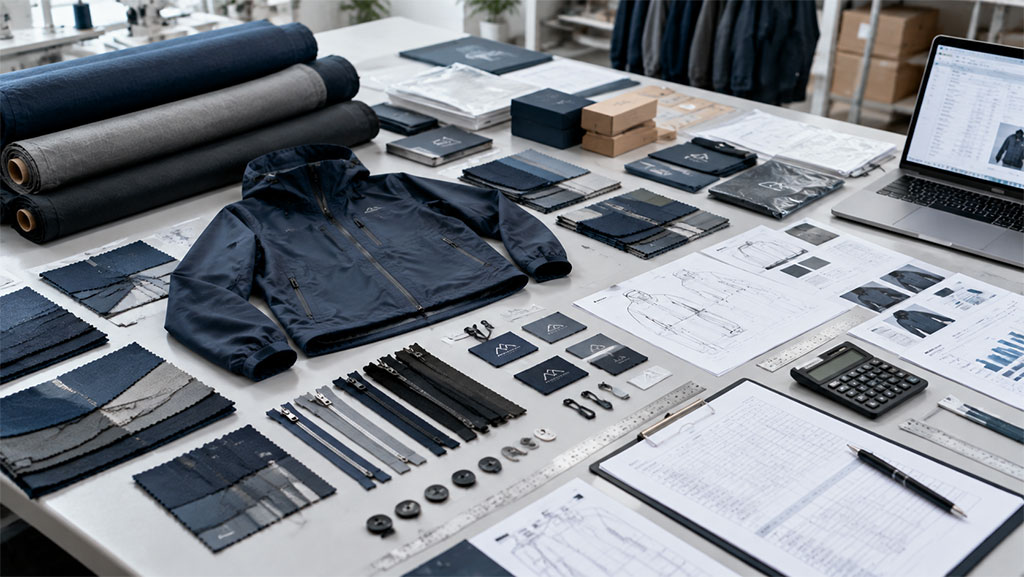
4. Calculate Total Manufacturing Costs Before Bulk Orders
A competitive garment quotation does not necessarily represent the complete project cost.
Brands should evaluate the full manufacturing cost structure:
Total Manufacturing Cost = Fabric + Trims + Cutting and Sewing + Customization + Finishing + Packaging + Quality Control
Additional expenses, including sampling, testing, freight, duties, and other logistics costs, should be considered when calculating the overall project budget or landed cost.
Clarify MOQ and Material Minimums
The manufacturer’s minimum order quantity (MOQ) may differ from the minimums imposed by fabric mills, dyeing facilities, and trim suppliers.
Before confirming an order, clarify:
- MOQ per style and color.
- Fabric and trim purchasing minimums.
- Size assortment and order quantities.
- Additional costs associated with small runs or multiple colorways.
- Pricing assumptions for repeat orders.
A clear cost breakdown helps brands compare manufacturing partners against equivalent specifications, quantities, and delivery requirements rather than selecting a supplier based on the lowest initial quotation alone.
5. Establish Quality Control Before Scaling Production
Consistent product quality requires documented standards and checkpoints throughout manufacturing.
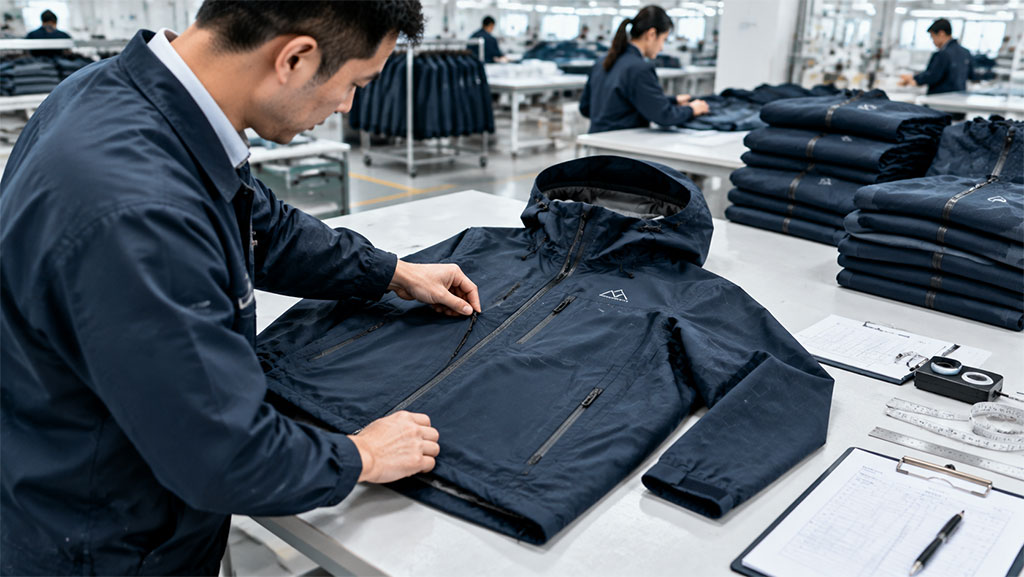
A practical apparel quality control process includes:
- Incoming material inspection: Check fabric appearance, color, quantity, specifications, and relevant test documentation.
- Pre-production review: Confirm alignment between approved samples, tech packs, and production instructions.
- Inline inspection: Monitor workmanship, measurements, sewing quality, and recurring defects during production.
- Final inspection: Verify finished garments against agreed specifications, labeling, packaging, and acceptance criteria.
For AQL-based inspections, agree on the inspection level, sampling plan, and acceptance criteria in advance. AQL sampling does not guarantee that every garment is defect-free, so it should complement appropriate in-process controls.
Documented inspection records and corrective actions also help prevent recurring problems in future orders.
6. Build a Repeatable Bulk Production Workflow
Once samples, materials, costs, and quality requirements are approved, the project can move into bulk manufacturing.
A controlled workflow typically follows these stages:
- Order confirmation: Finalize quantities, sizes, colors, pricing, and delivery requirements.
- Material procurement: Confirm approved materials, quantities, and availability.
- Pre-production planning: Release the correct technical specifications and production instructions.
- Cutting and sewing: Follow approved patterns, construction methods, and process controls.
- Finishing and inspection: Check workmanship, measurements, labeling, and quality requirements.
- Packing and shipment: Verify packing instructions, carton details, documentation, and shipping arrangements.
Any change to approved fabrics, measurements, trims, or artwork should be documented and reviewed before implementation. This prevents sourcing, production, and quality teams from working with inconsistent specifications.
7. Scale Your Private Label Apparel Collection with Better Planning
Scalability means being able to repeat and expand production without losing control of quality, costs, lead times, or product consistency.
A structured manufacturing system supports growth in four ways:
- Faster product development: Reusable technical specifications and established fit standards can reduce duplicated work for related styles.
- More consistent repeat orders: Approved samples, material standards, color references, and construction details provide clear production benchmarks.
- Better cost visibility: Documented cost components help brands evaluate the impact of material changes, order quantities, and design complexity.
- Controlled collection expansion: Initial production feedback, customer demand, and supplier performance help determine which products to develop next.
When evaluating a private label apparel manufacturer, consider technical capabilities, communication, quality systems, material sourcing, and production planning—not price alone.
Conclusion: Build a Manufacturing Partnership for Long-Term Growth
Building a scalable private label clothing collection starts with focused product planning and continues through fabric sourcing, technical development, sample approval, cost management, quality control, and bulk production.
Brands that establish these processes early can better manage manufacturing complexity, maintain consistent product standards, and prepare for future collection expansion.
Simmerui supports global B2B apparel brands through OEM and ODM manufacturing, product development, fabric sourcing, sampling, quality control, and scalable production planning.
Planning a new private label collection? Prepare your product range, target costs, material requirements, and technical specifications before requesting a manufacturing quotation. A clear starting point helps both your brand and manufacturing partner evaluate feasibility and establish a more reliable production plan.
Frequently Asked Questions
1. What is private label clothing manufacturing?
Private label clothing manufacturing allows brands to sell garments under their own brand name while working with a manufacturing partner for production and, where offered, product development, sourcing, sampling, and quality control.2. How do you build a scalable private label apparel collection?
Prioritize core products, standardize compatible components, document technical requirements, approve samples, calculate total costs, and establish repeatable quality control procedures before expanding the collection.3. What should I prepare before contacting a clothing manufacturer?
Prepare product sketches or references, available tech packs, fabric preferences, target quantities, size ranges, branding requirements, target costs, compliance requirements, and delivery expectations. Identify any details that still require development.4. What is the difference between private label and OEM clothing manufacturing?
Private label describes a branding and selling arrangement. OEM generally refers to manufacturing products according to a buyer’s specifications. The two can overlap, depending on the manufacturer’s service model.5. How can brands reduce private label clothing manufacturing costs?
Review fabric and trim costs, construction complexity, customization, order quantities, sampling, quality requirements, and logistics. Compare quotations using equivalent specifications and delivery terms.6. Why is sampling important in apparel manufacturing?
Sampling allows brands to assess design execution, fit, materials, construction, and functionality before bulk production. Documented approvals and revisions reduce ambiguity during manufacturing.7. Can I start a private label clothing line with a small order?
Potentially, yes. Feasibility depends on the manufacturer’s MOQ, fabric and trim minimums, product complexity, and available production capacity. Confirm minimums for each style and color before ordering.8. How can I maintain consistent quality across repeat orders?
Retain approved samples, measurement charts, material standards, color references, construction specifications, and inspection records. Review and approve changes before each affected production run.
Written by the Simmerui Apparel Manufacturing Team
Simmerui supports global B2B brands with OEM and ODM apparel production, integrating product development, fabric sourcing, sampling, quality control, and scalable manufacturing across outdoor apparel, performance wear, casual clothing, and private label collections.