
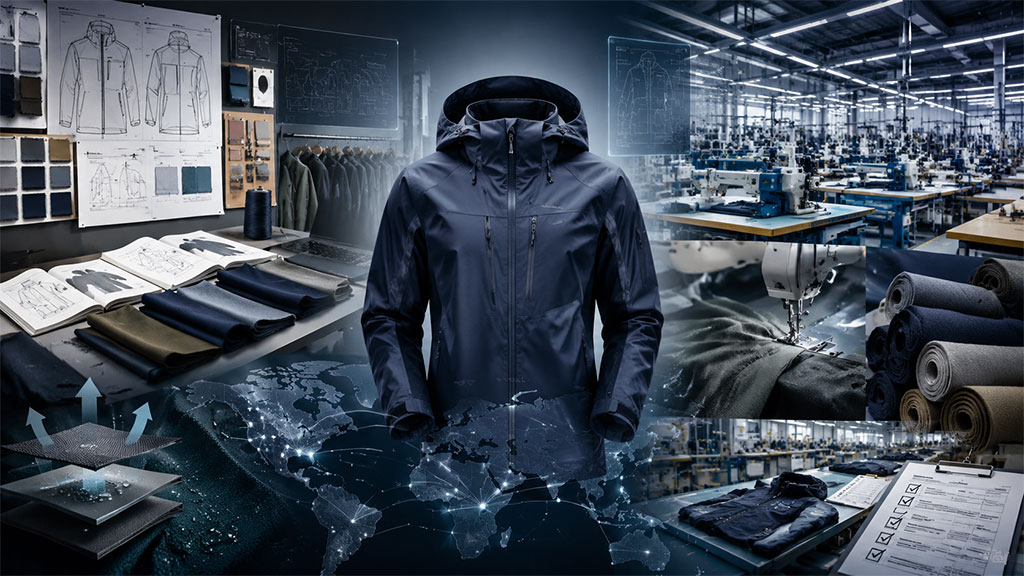
Choosing the right OEM clothing manufacturer is critical for US and EU apparel brands seeking consistent quality, reliable delivery, and long-term supply chain stability. A professional manufacturing partner provides more than garment production — they support product development, fabric sourcing, sampling, quality management, compliance, and scalable production. This guide explains the key factors brands should evaluate before selecting an apparel manufacturing partner.
Introduction: Why Choosing the Right OEM Clothing Manufacturer Matters
For fashion brands, outdoor apparel companies, and private label businesses in the US and Europe, selecting the right OEM clothing manufacturer is one of the most important decisions during product development.
A manufacturing partner directly influences:
- Product quality consistency
- Production efficiency
- Development speed
- Cost control
- Brand reputation
- Supply chain reliability
Many brands initially focus on factors such as MOQ and pricing when searching for suppliers. However, the lowest-cost manufacturer does not always provide the best long-term value.
A reliable OEM apparel manufacturer should provide comprehensive support beyond production, including:
- Product development assistance
- Fabric sourcing solutions
- Prototype and sample development
- Quality control management
- Compliance support
- Production planning
- Global delivery coordination
The right manufacturing partner becomes an extension of the brand team, helping transform product concepts into commercially successful apparel collections.
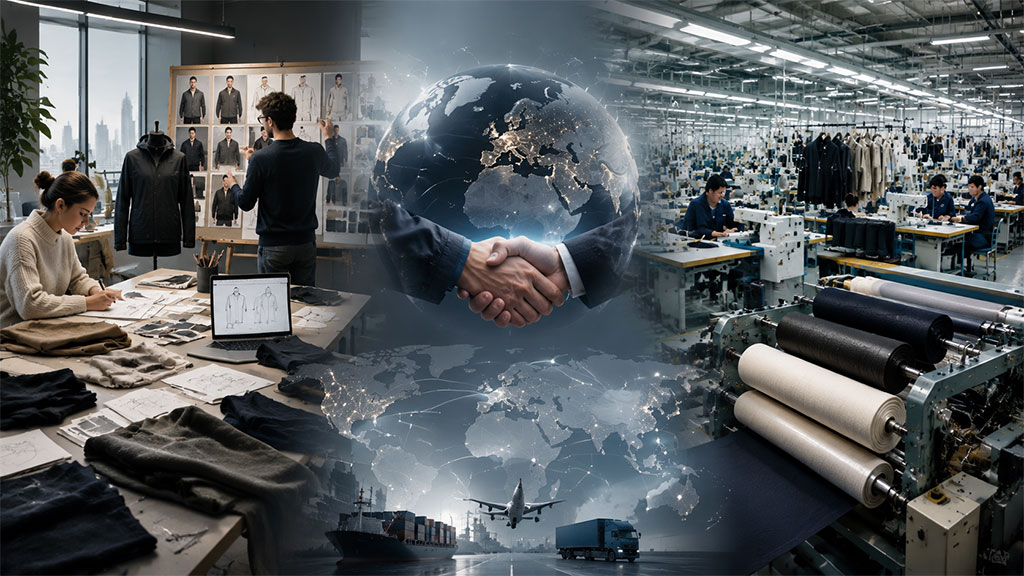
1. Proven OEM Manufacturing Experience and Industry Knowledge
A reliable apparel manufacturing partner should have strong experience working with international brands and understand the requirements of different markets.
For US and EU brands, manufacturers need knowledge of:
- International sizing standards
- Fabric performance expectations
- Labeling requirements
- Packaging specifications
- Quality inspection procedures
- Seasonal production schedules
Experienced OEM factories can identify potential production challenges before bulk manufacturing begins.
During the early development stage, professional manufacturers should help brands evaluate:
Fabric Suitability
The selected fabric must match the product purpose.
For example:
- Outdoor jackets require waterproof, windproof, or breathable materials
- Performance wear requires stretch, moisture management, and durability
- Casual apparel requires comfort, appearance, and cost balance
Construction Feasibility
Manufacturers should review:
- Sewing techniques
- Garment structure
- Production complexity
- Required equipment
- Manufacturing risks
Target Cost Control
A professional factory helps brands balance:
- Material selection
- Manufacturing methods
- Production efficiency
- Final product quality
Strong manufacturing experience reduces unexpected problems during bulk production.
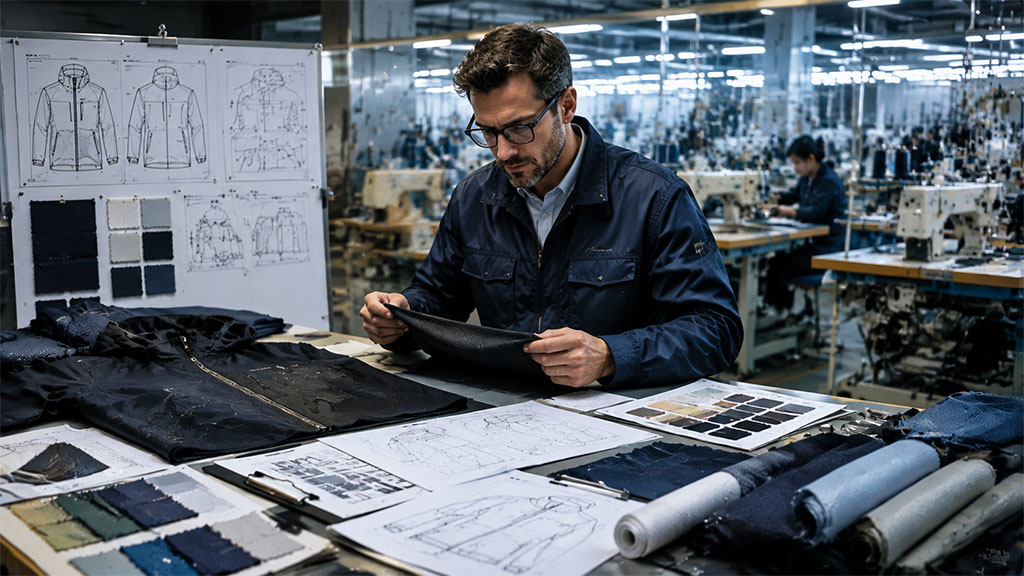
2. Professional Product Development Support From Concept to Production
A reliable OEM clothing manufacturer should support brands throughout the entire product development process.
Professional development support normally includes:
Design Review
Before production begins, manufacturers evaluate:
- Technical sketches
- Construction details
- Material requirements
- Production challenges
A detailed review helps identify possible improvements before sampling.
Fabric Sourcing Support
The right fabric directly affects product performance and market positioning.
Experienced manufacturers provide fabric recommendations based on:
- Performance requirements
- Target retail price
- Sustainability objectives
- End-use applications
For example:
A technical outdoor apparel brand may require:
- Waterproof fabrics
- Breathable membranes
- Reinforced materials
- Weather-resistant trims
While a lifestyle brand may prioritize:
- Comfort
- Soft hand feel
- Color options
- Cost efficiency
Sample Development
Professional OEM suppliers normally provide multiple sample stages:
- Proto samples
- Fit samples
- Size set samples
- Pre-production samples
Each stage allows brands to verify:
- Product appearance
- Fit accuracy
- Construction quality
- Material performance
A strong sample approval process reduces production risks before bulk manufacturing.
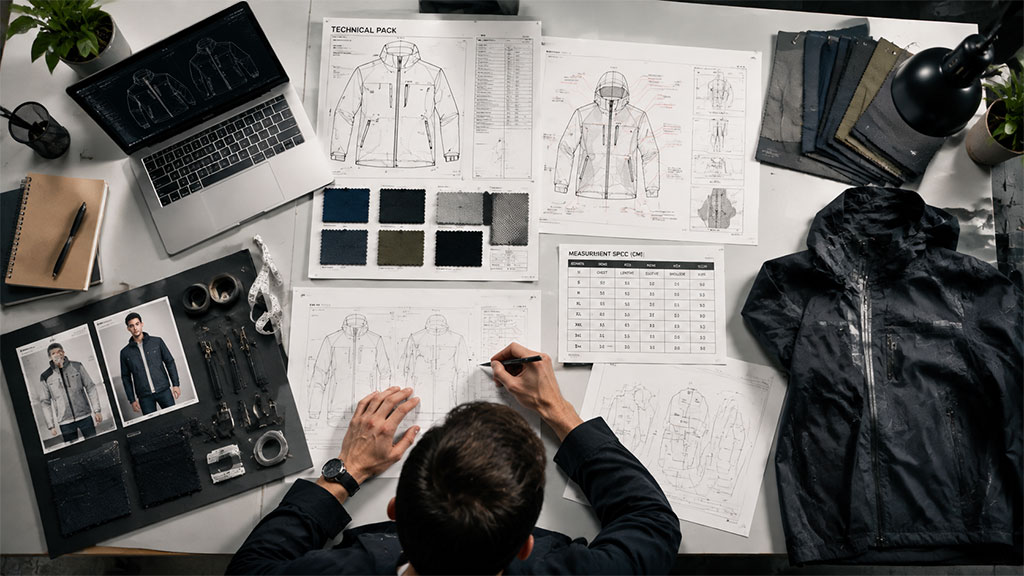
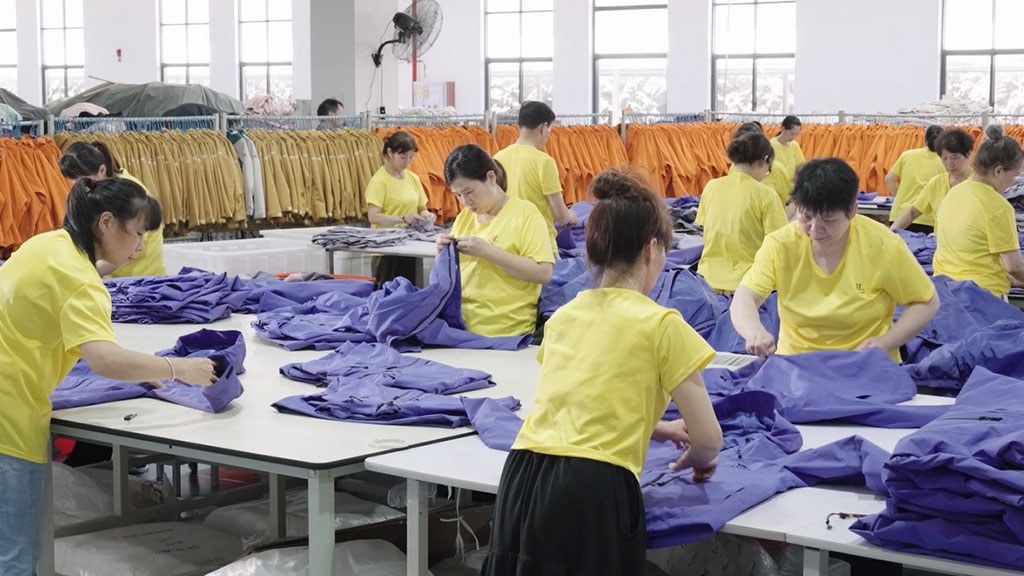
3. Complete Quality Control System for Consistent Production
Quality consistency is one of the biggest differences between ordinary suppliers and professional OEM clothing manufacturers.
A reliable manufacturer should not only inspect finished garments. Quality control should be integrated throughout the entire production process.
Fabric Inspection
Before production starts, fabrics should be checked for:
- Color consistency
- Fabric weight
- Surface defects
- Performance requirements
Cutting Quality Control
The cutting stage affects:
- Pattern accuracy
- Fabric utilization
- Garment appearance
Incorrect cutting can create major problems during assembly.
Sewing Production Control
Manufacturers should monitor:
- Stitch quality
- Seam strength
- Construction accuracy
- Production consistency
Inline Inspection
Inline inspections help detect problems during production instead of after completion.
Common checks include:
- Sewing defects
- Measurement issues
- Construction errors
Final Inspection
Before shipment, finished garments should be evaluated for:
- Appearance
- Measurements
- Functionality
- Packaging requirements
Professional factories commonly use:
- AQL inspection standards
- Inline quality checks
- Final garment inspections
- Production tracking reports
A complete quality management system helps brands maintain consistent product standards across every order.
4. Transparent Communication and Professional Project Management
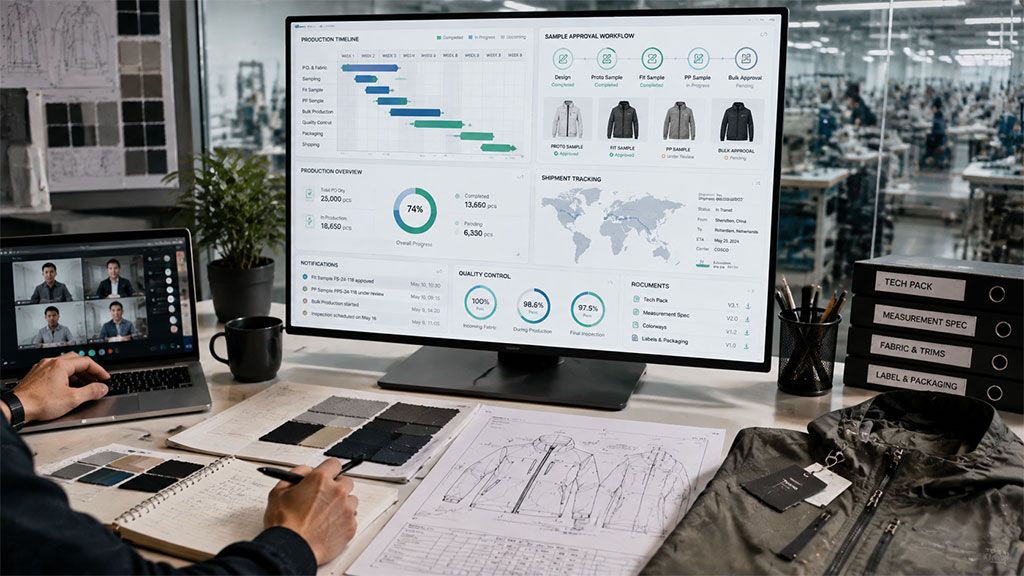
International apparel production requires efficient communication between brands and manufacturers.
Communication problems can lead to:
- Production delays
- Incorrect specifications
- Material issues
- Additional costs
A reliable OEM partner should provide:
- Fast response times
- Clear production updates
- Professional documentation
- Accurate timelines
- Problem-solving support
Brands should receive regular updates regarding:
Sample Progress
Including:
- Sample completion status
- Revision requirements
- Approval timelines
Material Availability
Including:
- Fabric confirmation
- Trim sourcing
- Production readiness
Production Schedule
Including:
- Cutting progress
- Sewing progress
- Inspection status
Shipping Preparation
Including:
- Packing confirmation
- Documentation
- Delivery arrangements
Transparent communication creates stronger cooperation and reduces supply chain uncertainty.
5. Flexible Customization and Private Label Manufacturing Capability
Different apparel brands have different product requirements.
A capable OEM clothing manufacturer should support flexible customization options.
Common customization services include:
- Custom fabrics
- Private labels
- Custom logos
- Embroidery
- Printing techniques
- Custom packaging
- Size adjustments
- Unique garment construction
For emerging brands, flexible production options are especially valuable.
They allow brands to:
- Test new designs
- Reduce inventory risks
- Develop limited collections
- Scale production gradually
A manufacturer with strong customization capability helps brands create differentiated products instead of generic garments.
6. Compliance and Sustainable Manufacturing Capability
US and EU brands increasingly require manufacturers to meet higher compliance standards.
A trustworthy apparel manufacturing partner should understand:
- Product safety requirements
- Material traceability
- Environmental standards
- Ethical production expectations
Important certifications and documentation may include:
- OEKO-TEX® Standard 100
- GRS (Global Recycled Standard)
- GOTS certification
- Factory audit reports
Compliance support helps brands:
- Reduce supply chain risks
- Improve customer trust
- Meet market requirements
- Build sustainable product strategies
For brands entering international markets, compliance capability is becoming an essential supplier evaluation factor.
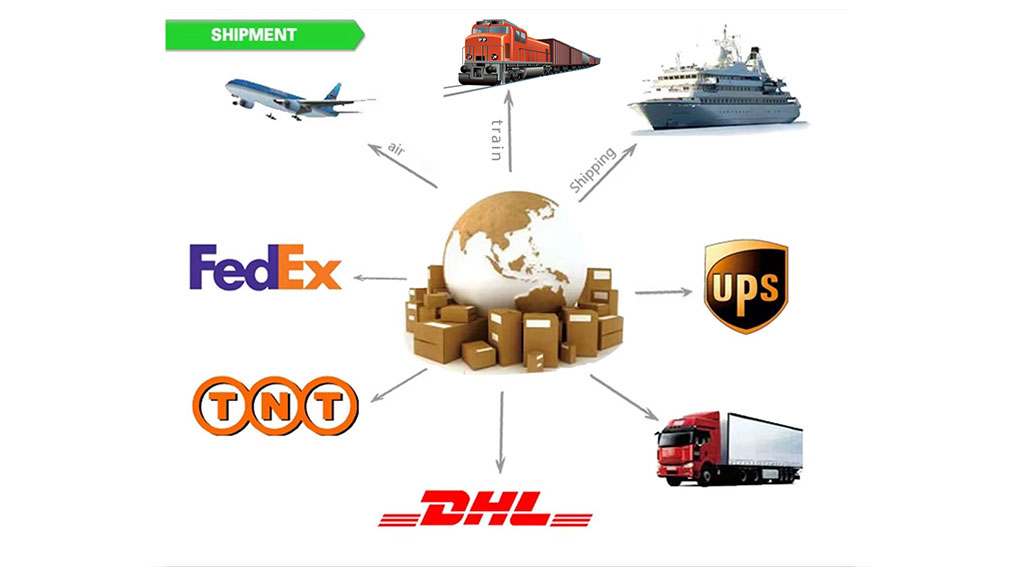
7. Stable Production Capacity and Global Delivery Experience
A professional OEM partner should balance production flexibility with manufacturing stability.
Brands should evaluate:
- Factory production capacity
- Equipment capability
- Skilled workforce
- Production planning systems
- Shipping experience
A reliable manufacturer should be able to support:
Small-Batch Product Testing
Useful for:
- New brands
- Seasonal collections
- Market testing
Large-Scale Bulk Production
Required for:
- Growing brands
- Retail programs
- International distribution
A stable manufacturing partner allows brands to expand without constantly changing suppliers.
How to Evaluate an OEM Clothing Manufacturer Before Cooperation
Before placing an order, brands should carefully evaluate the manufacturer’s capabilities.
1. Manufacturing Capability Review
Check:
- Product categories
- Previous customer experience
- Factory equipment
- Production workflow
A manufacturer with relevant product experience can better understand technical requirements.
2. Sample Quality Evaluation
Review:
- Fabric quality
- Sewing details
- Fit accuracy
- Finishing quality
Samples provide valuable insight into future bulk production standards.
3. Communication Efficiency Test
Evaluate:
- Response speed
- Technical understanding
- Problem-solving ability
Strong communication during the early stage usually indicates smoother cooperation later.
4. Production Transparency Verification
Confirm:
- MOQ requirements
- Production timeline
- Quality inspection process
- Shipping arrangements
Clear information helps brands avoid unexpected problems.
Why US/EU Brands Choose Professional OEM Manufacturing Partners
A reliable OEM clothing manufacturer helps brands:
- Reduce production risks
- Improve product quality
- Control manufacturing costs
- Shorten development cycles
- Build stable supply chains
The right partner is not simply a garment supplier.
It is a manufacturing extension of the brand team.
Professional OEM partners provide the technical knowledge, production capability, and quality systems required to transform ideas into successful apparel products.
Why Choose Simmerui Apparel Manufacturing
At Simmerui Apparel Manufacturing, we support global B2B brands with OEM and ODM apparel solutions covering:
- Product development
- Fabric sourcing
- Sampling
- Quality control
- Scalable production
Our manufacturing experience covers:
- Outdoor apparel
- Performance wear
- Casual clothing
- Private label collections
We help brands reduce production risks, optimize costs, and build reliable long-term manufacturing partnerships.
FAQ: Reliable OEM Clothing Manufacturer
1.What should brands look for in an OEM clothing manufacturer?
Brands should evaluate:- Manufacturing experience
- Quality control systems
- Communication ability
- Customization capability
- Compliance support
- Production reliability
2.How can I verify an apparel factory before placing an order?
Brands can review:- Factory experience
- Product samples
- Certifications
- Production processes
- Quality management systems
3.What is the typical MOQ for OEM clothing production?
MOQ depends on:- Garment category
- Fabric selection
- Production method
- Customization requirements
4.Should brands choose the cheapest clothing manufacturer?
Not always. Low pricing may create risks including:- Quality inconsistency
- Production delays
- Communication problems
- Additional correction costs
5.What documents should an OEM manufacturer provide?
Professional manufacturers may provide:- Product specifications
- Fabric information
- Sample approval records
- Quality inspection reports
- Production updates
- Shipping documents
Conclusion
Choosing a reliable OEM clothing manufacturer is a strategic decision for US and EU apparel brands.
The best manufacturing partner provides more than production capacity. They offer technical expertise, quality management, communication support, customization capability, and long-term supply chain value.
By evaluating experience, production systems, compliance capability, and communication standards, brands can build stronger manufacturing partnerships and create successful apparel collections.
Written by the Simmerui Apparel Manufacturing Team
We specialize in OEM and ODM apparel production for global B2B brands, providing integrated solutions across product development, fabric sourcing, sampling, quality control, and scalable manufacturing.
Our experience covers outdoor apparel, performance wear, casual clothing, and private label collections. We help brands reduce production risks, optimize costs, and build reliable long-term manufacturing partnerships.